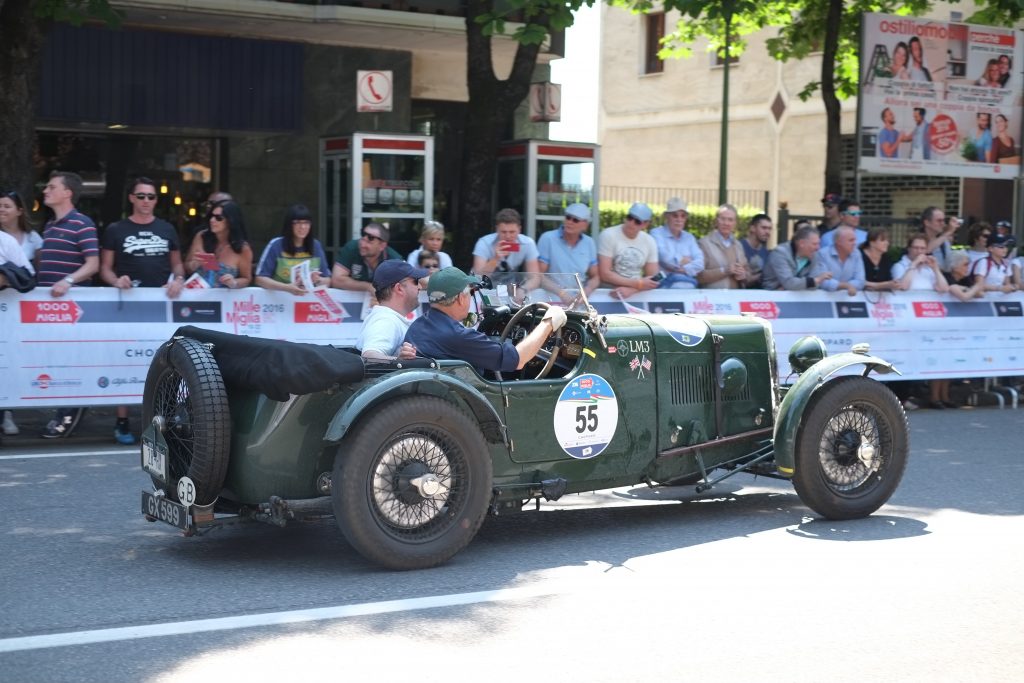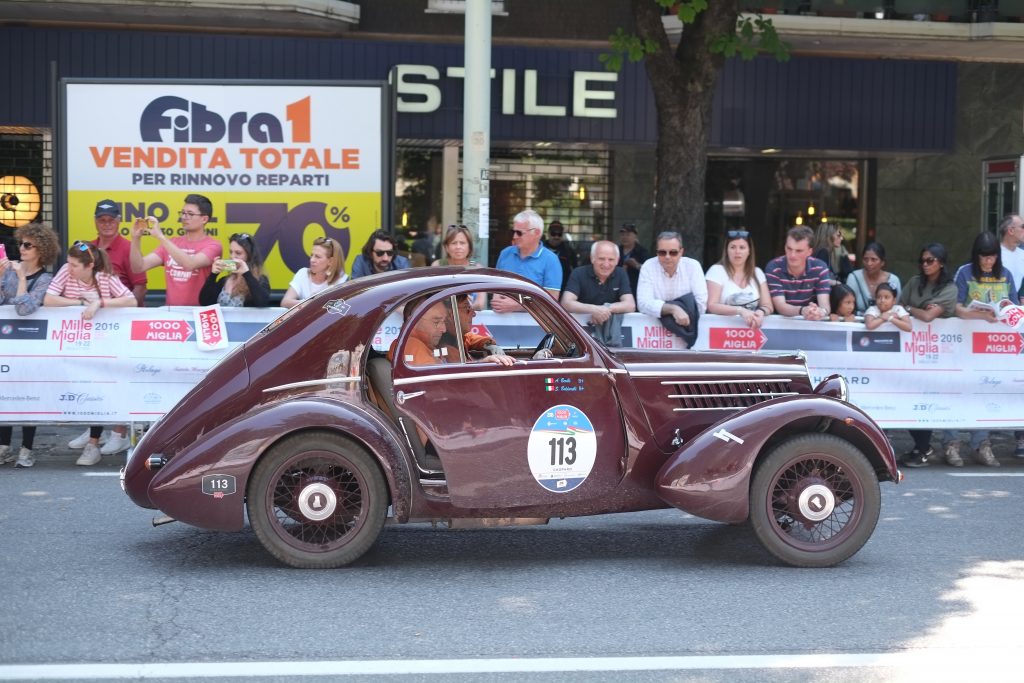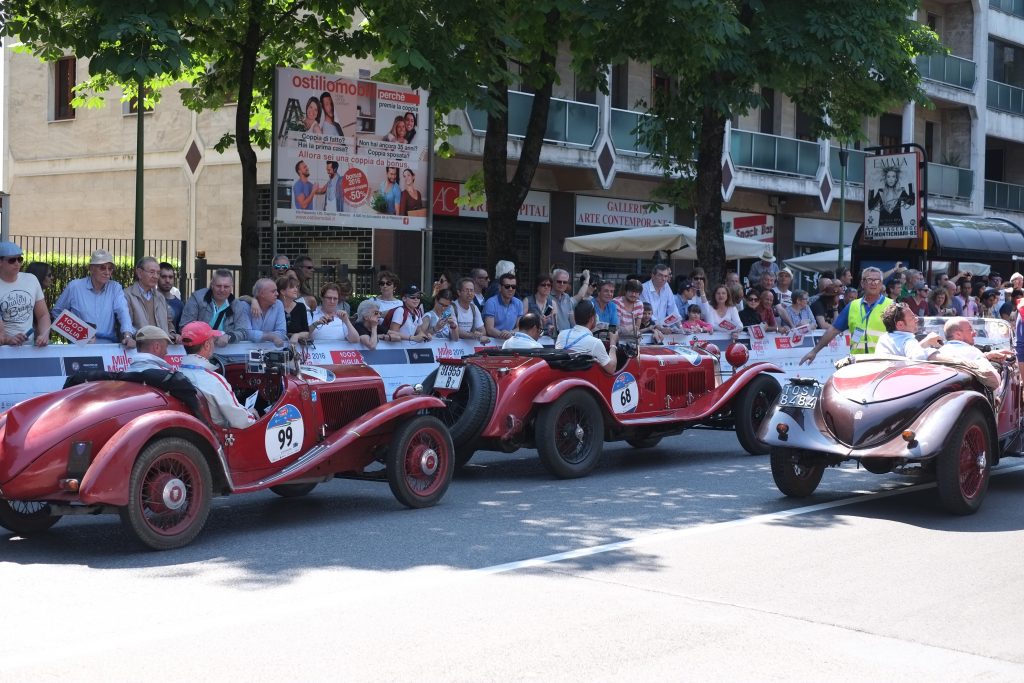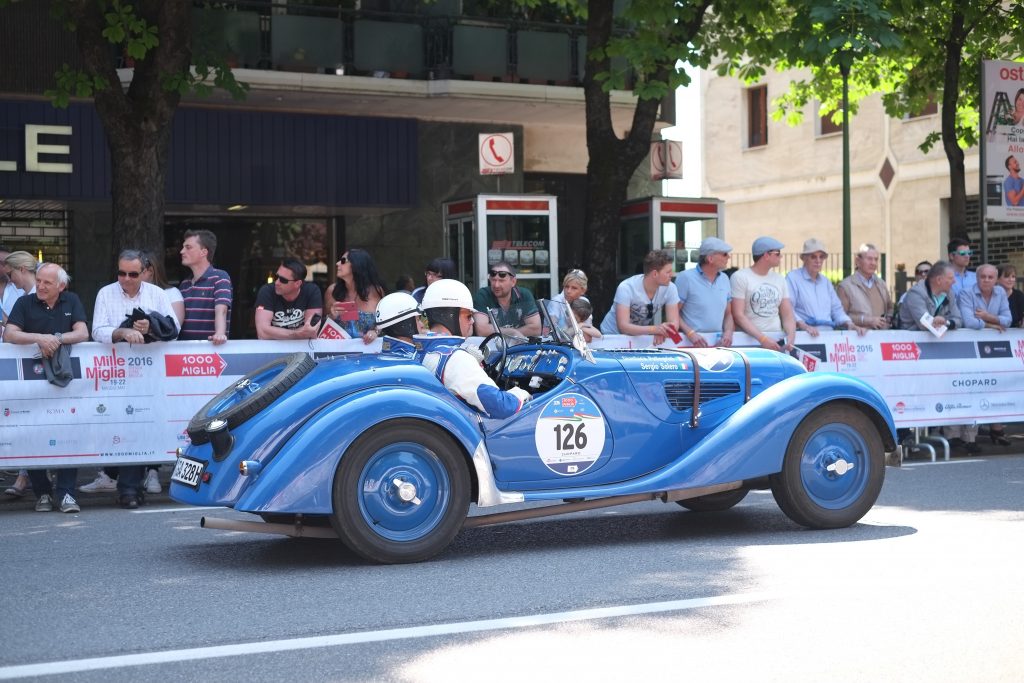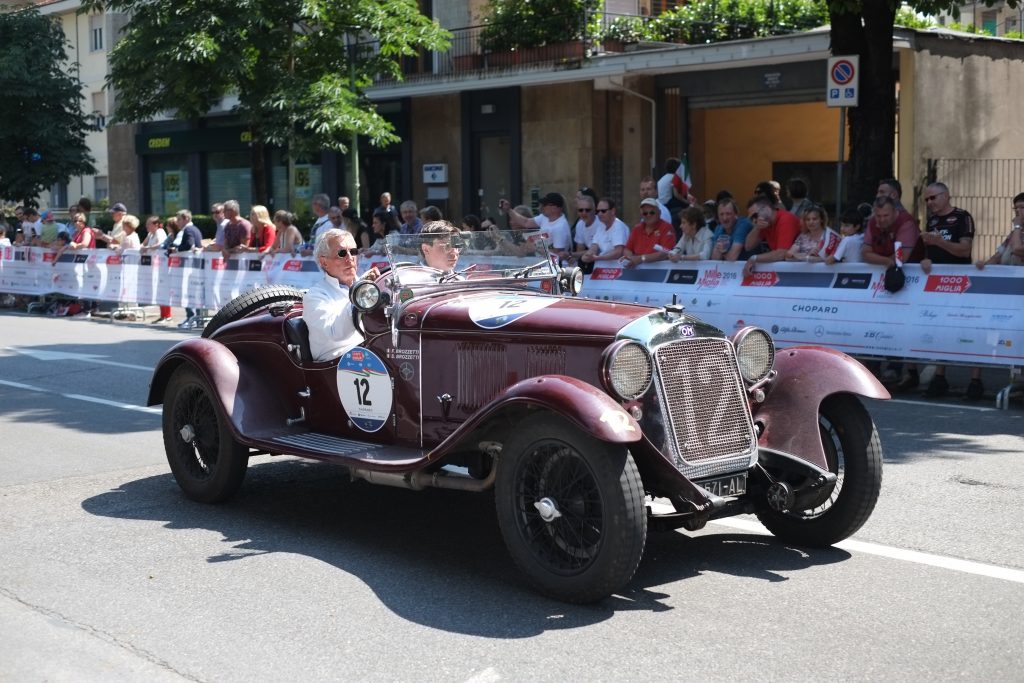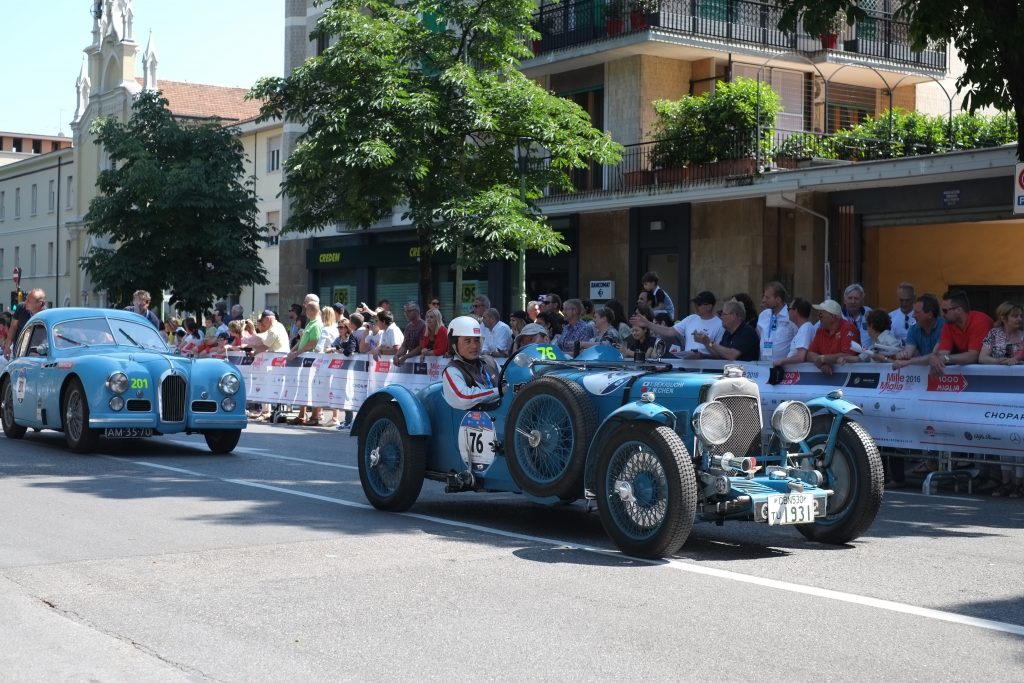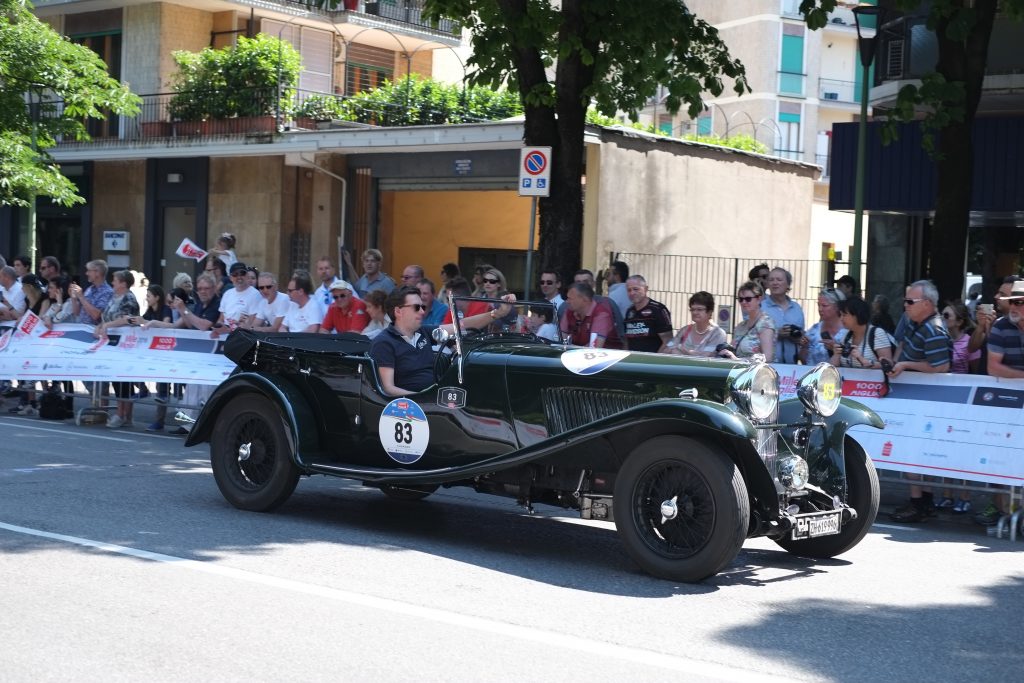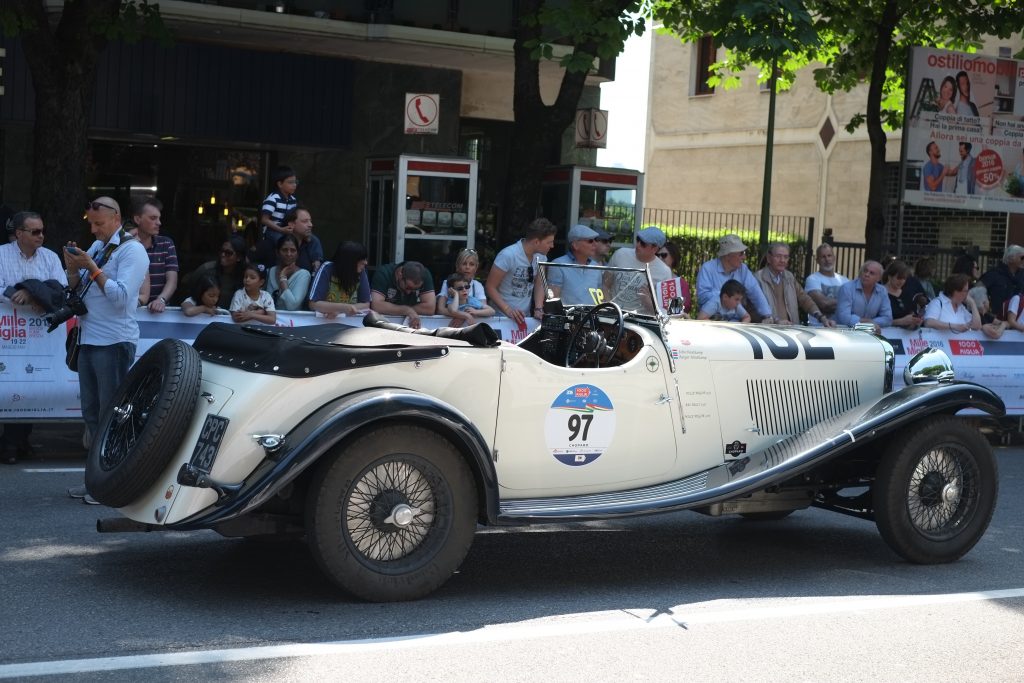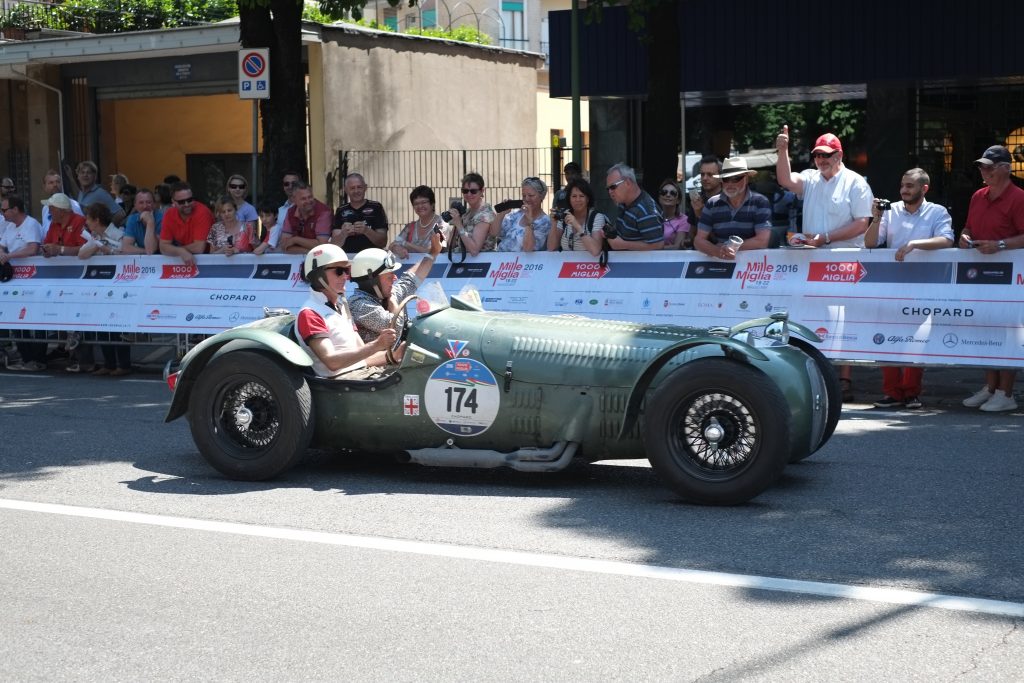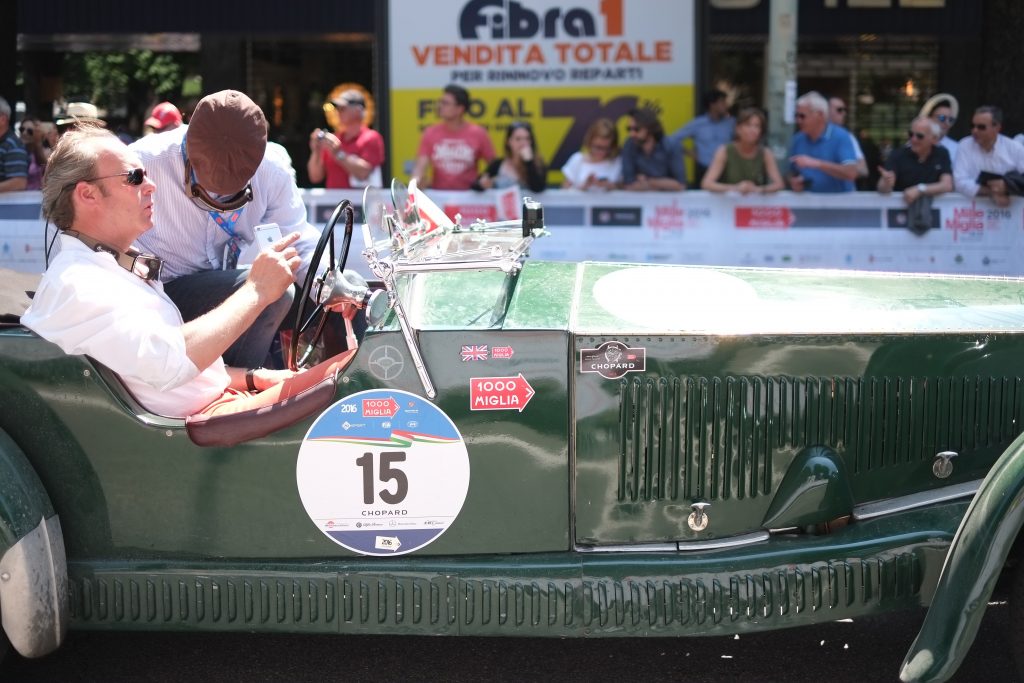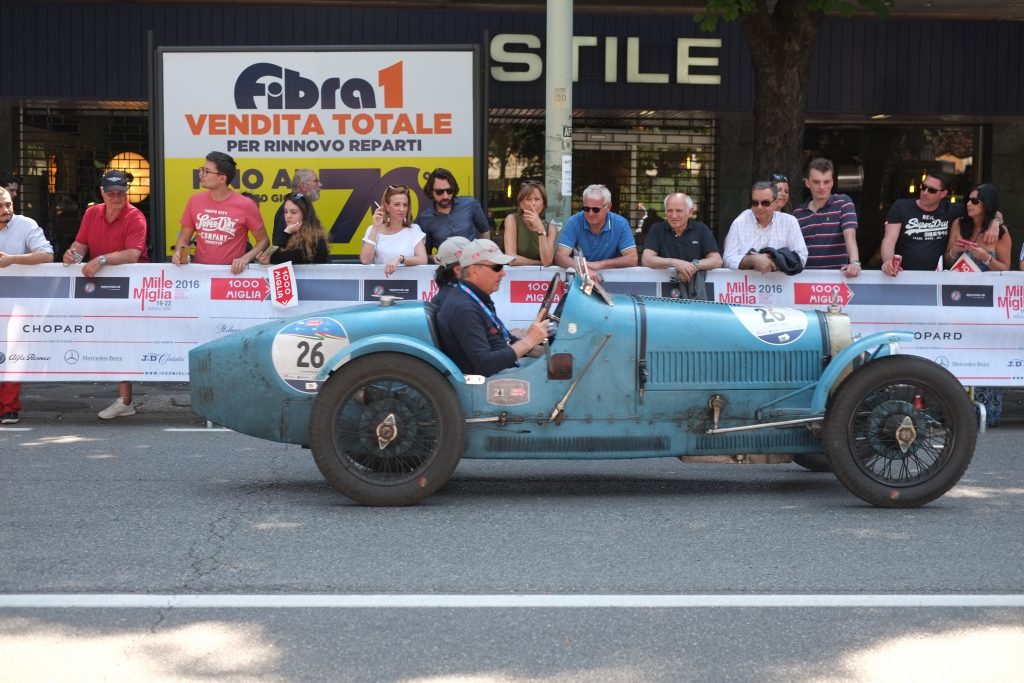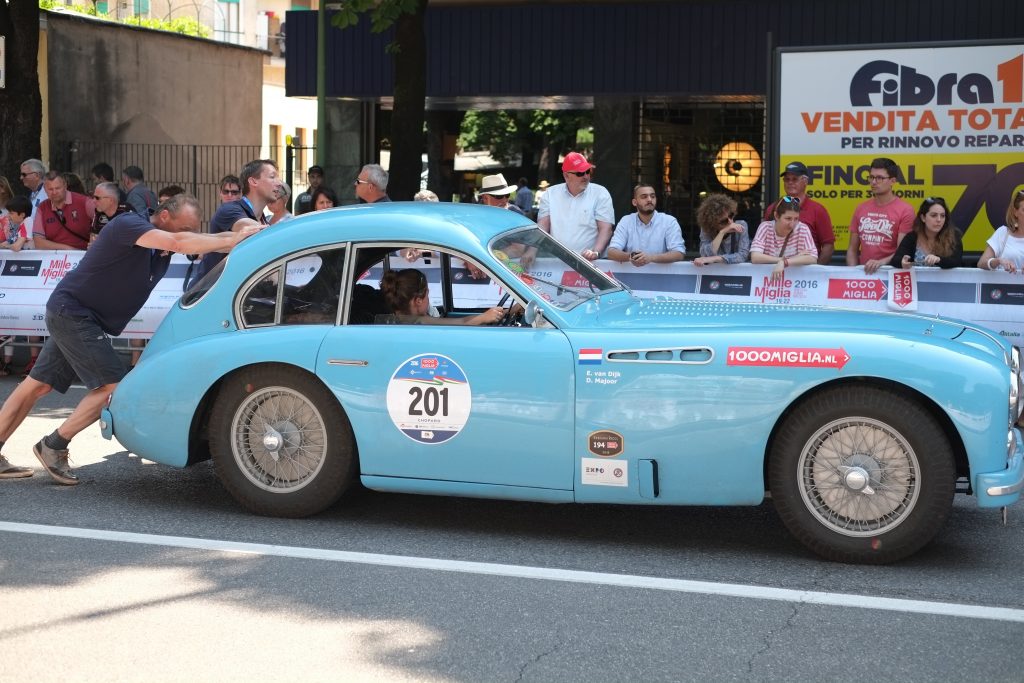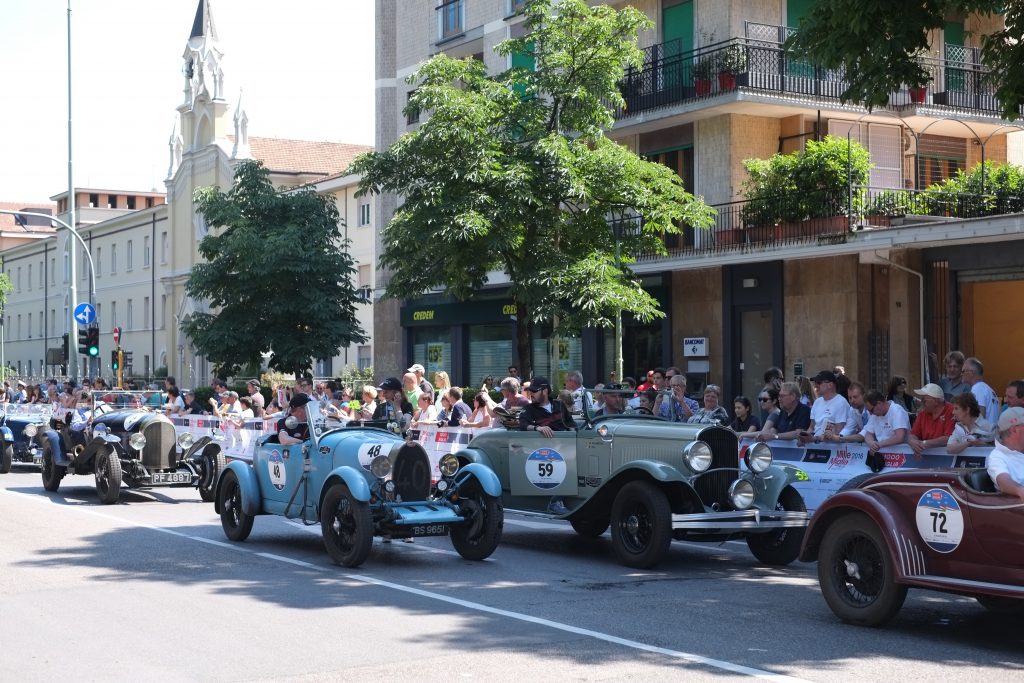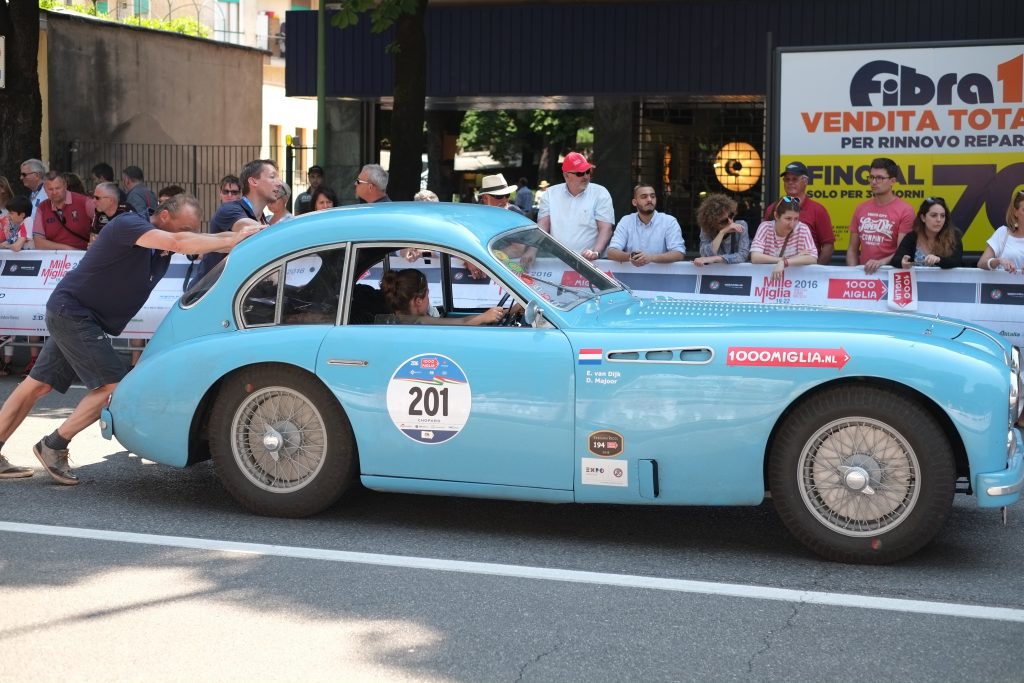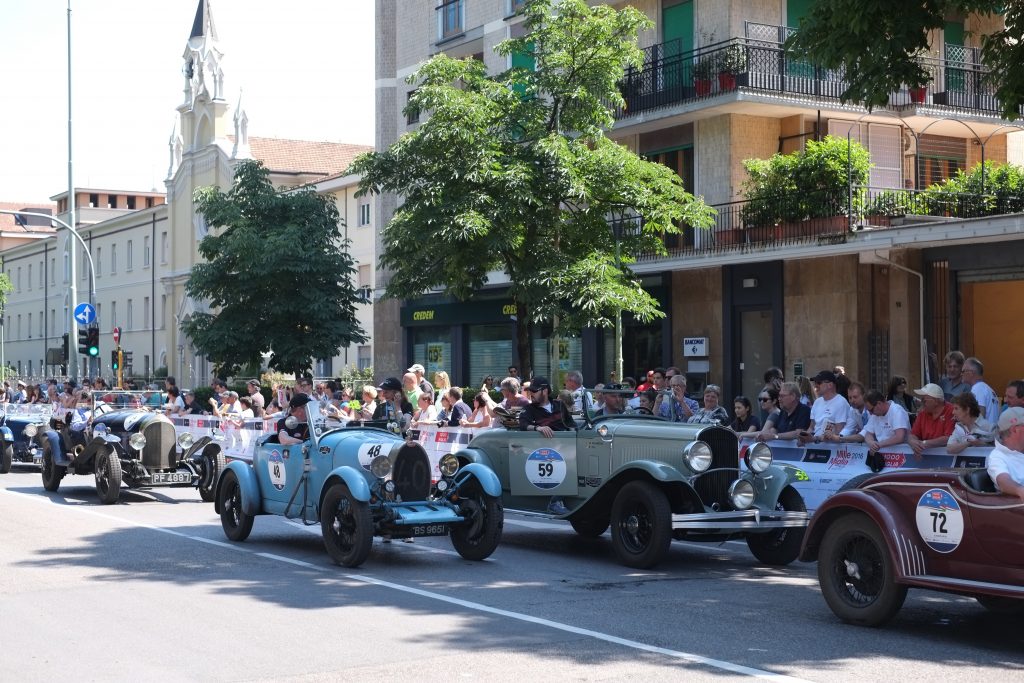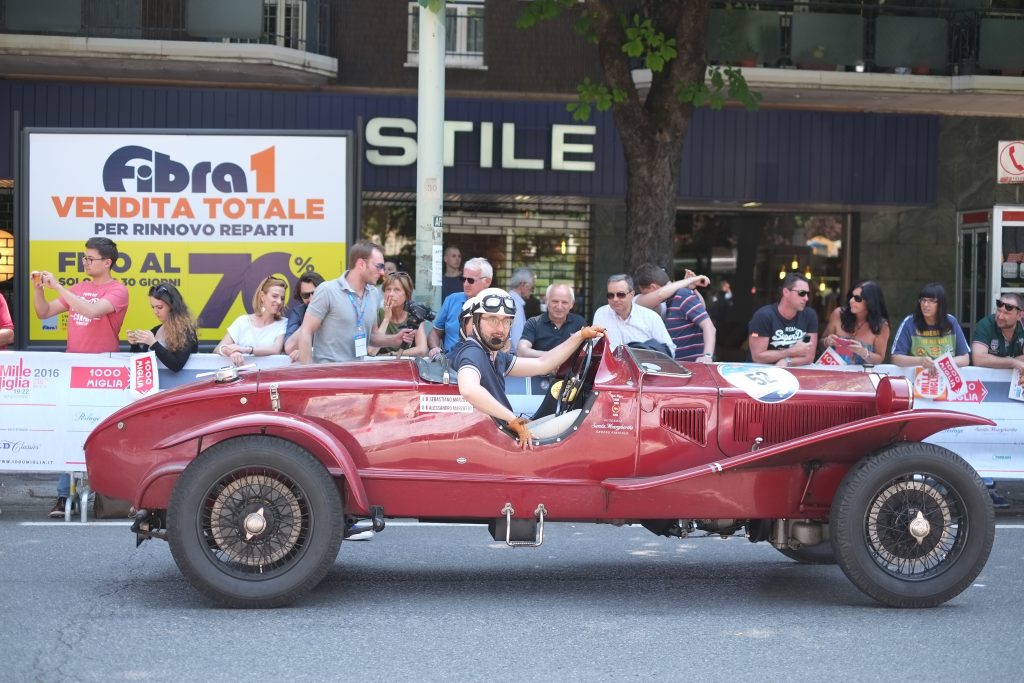
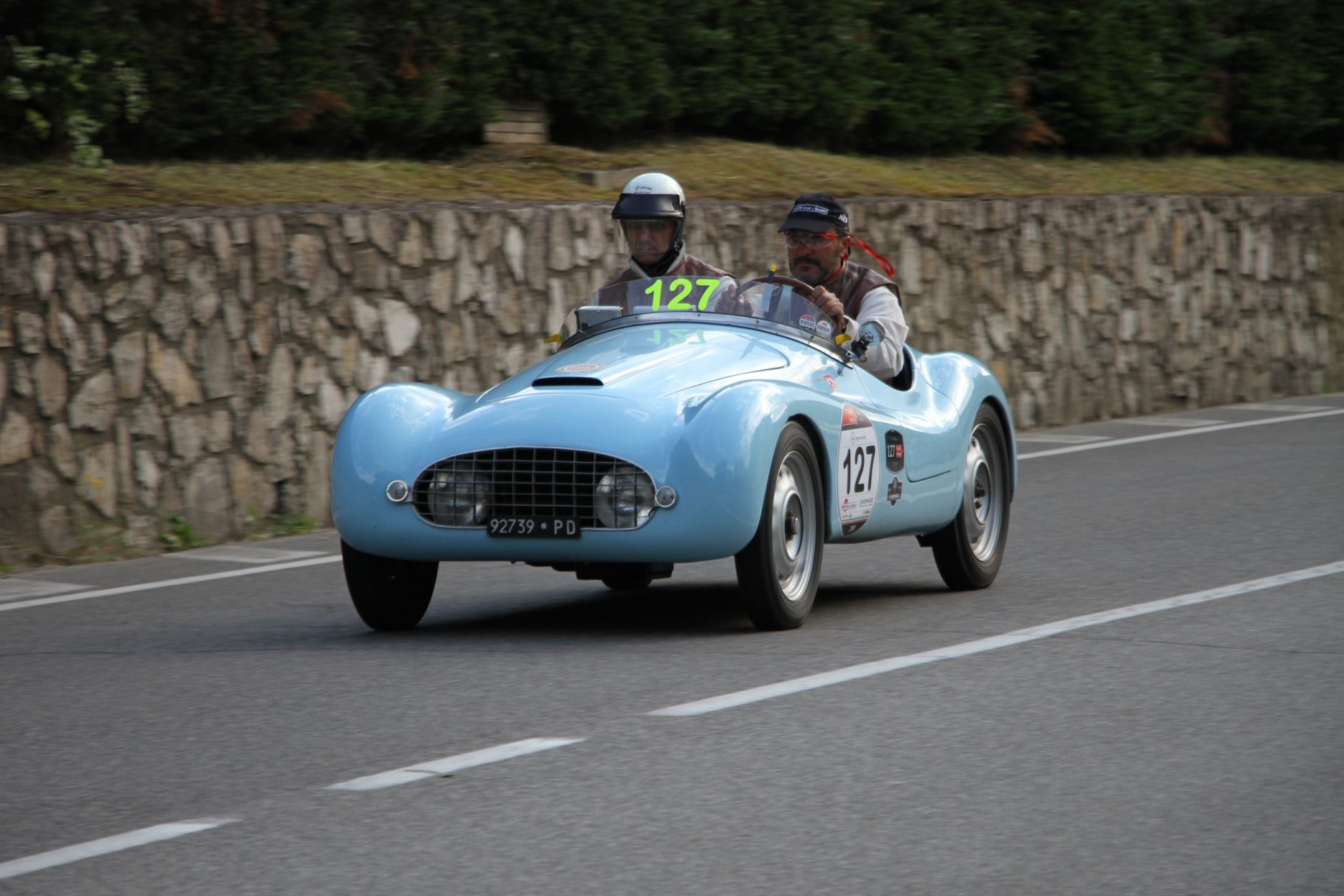
For many the Mille Miglia has become an annual pilgrimage . With participants from all over the world the rally, no longer a race, is open to cars only manufactured between 1927 – 1957. Now held over four days and three nights in May it essentially travels from Brescia to Rome and back, a distance of approximately 1000 miles. The route generally travels east of Brescia at the start and then in a southerly direction towards Rome. From Rome the return route travels NNW towards Florence and then generally northerly back to Brescia.
Founded in 1927 by Count Aymo Maggi and Count Franco Mazzotti, the race was first won in a time of 21 hours 5 minutes by Guiseppe Morandi driving a 2 litre OM. Coincidentally the OM were manufactured in Brescia at that time.
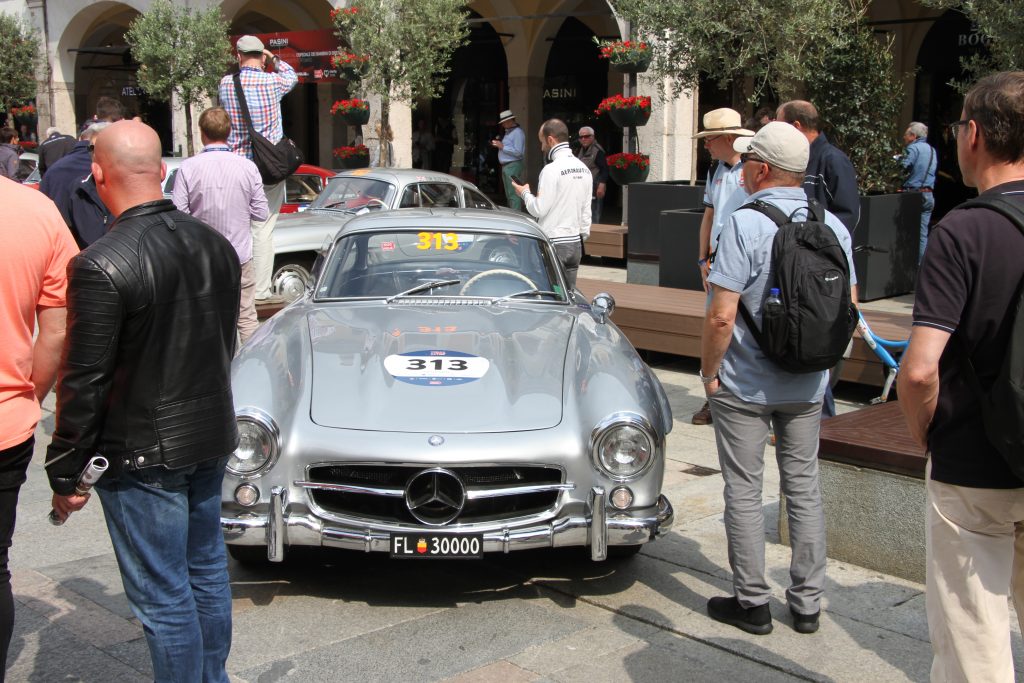
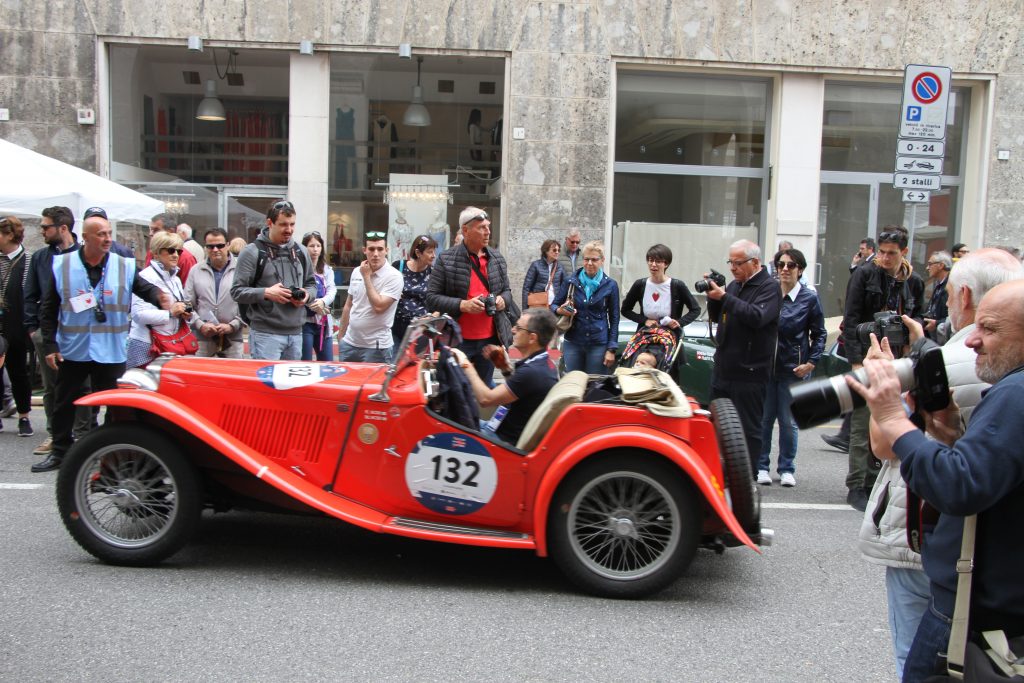
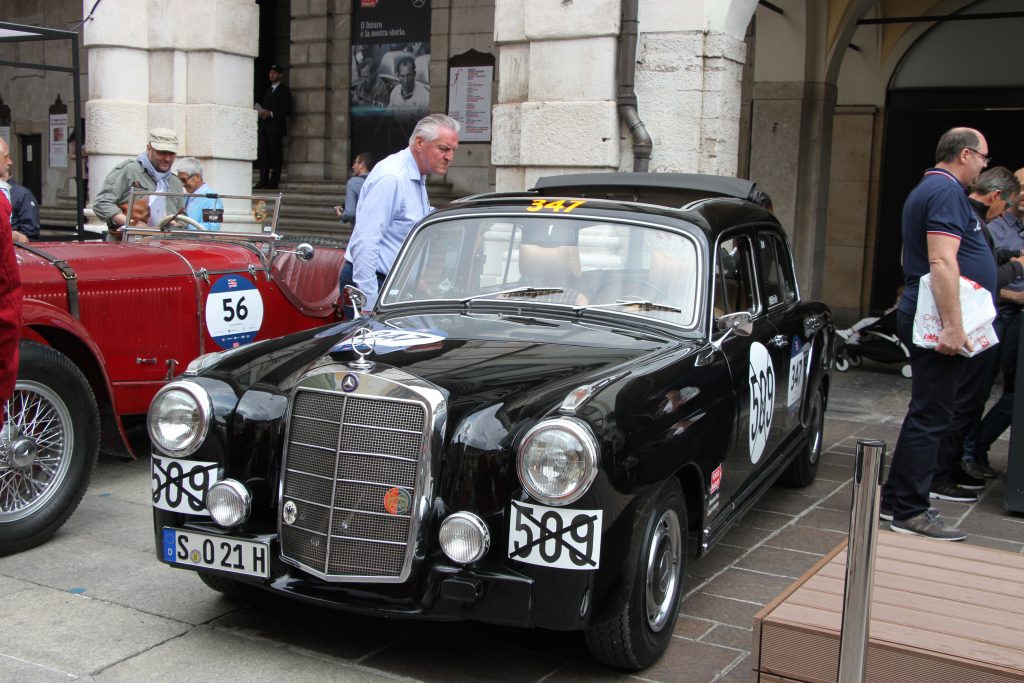
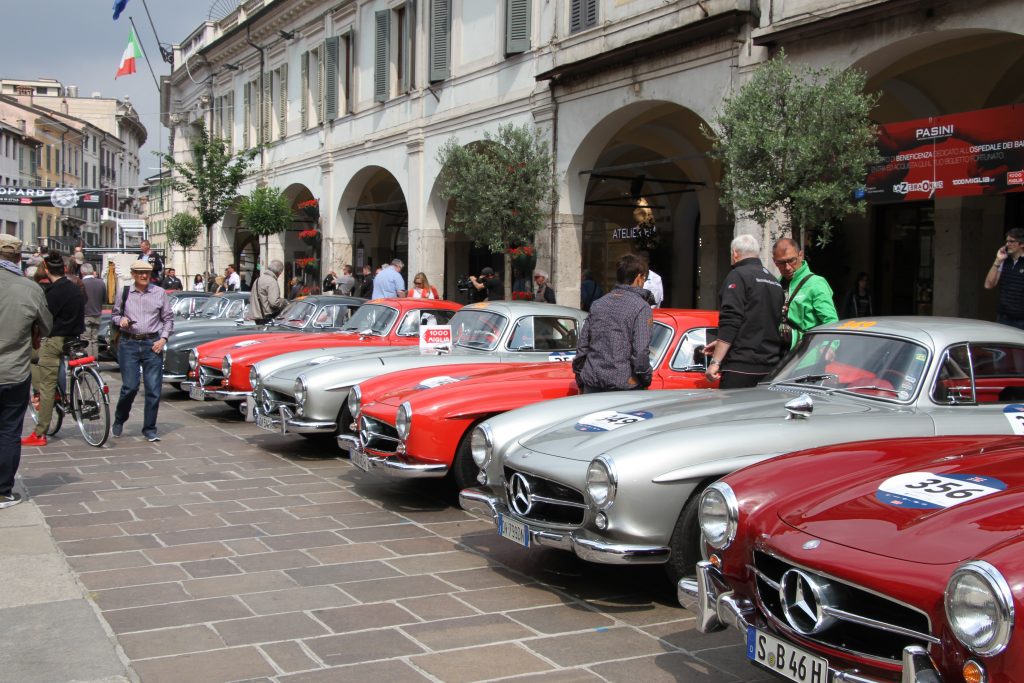
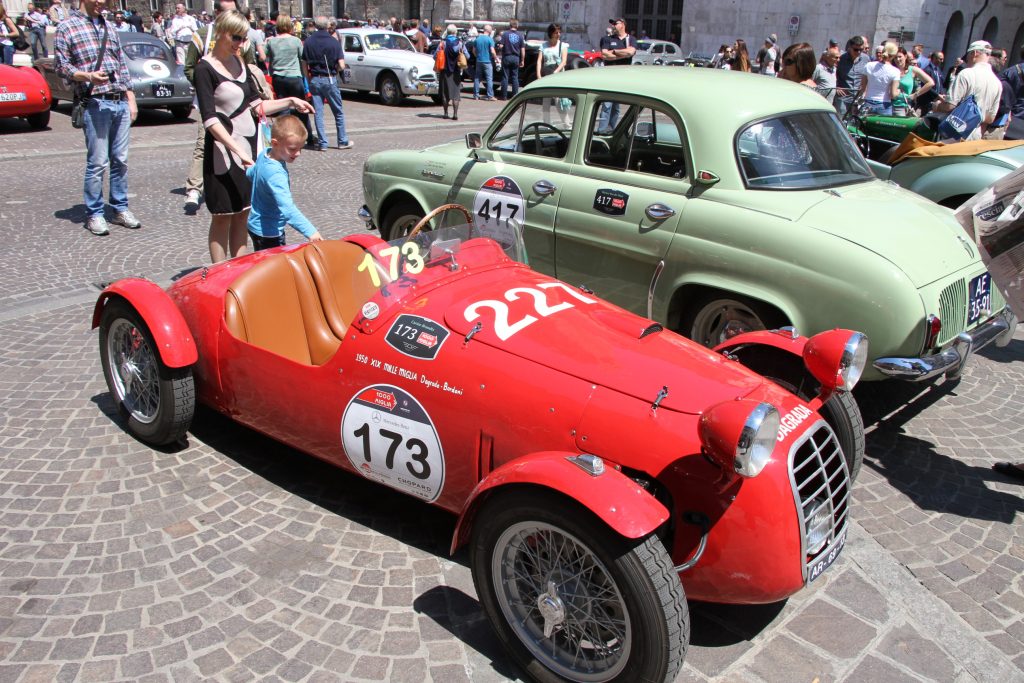
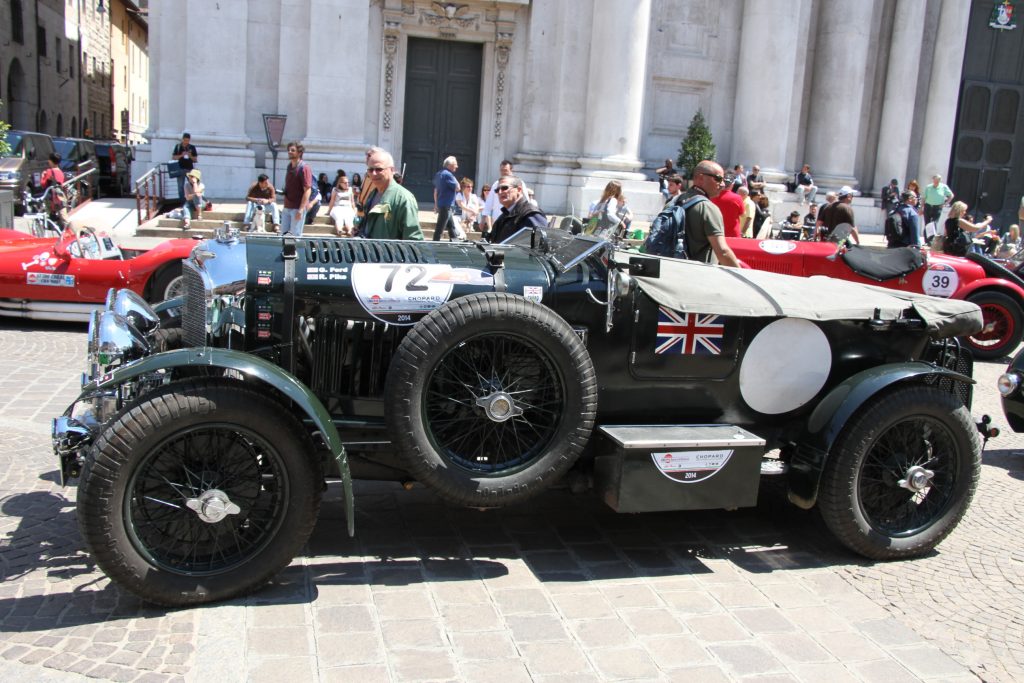
The rally now starts on a Wednesday afternoon with many of the cars being displayed in the morning either at the Mille Miglia museum parking areas, or in the centre of Brescia itself.


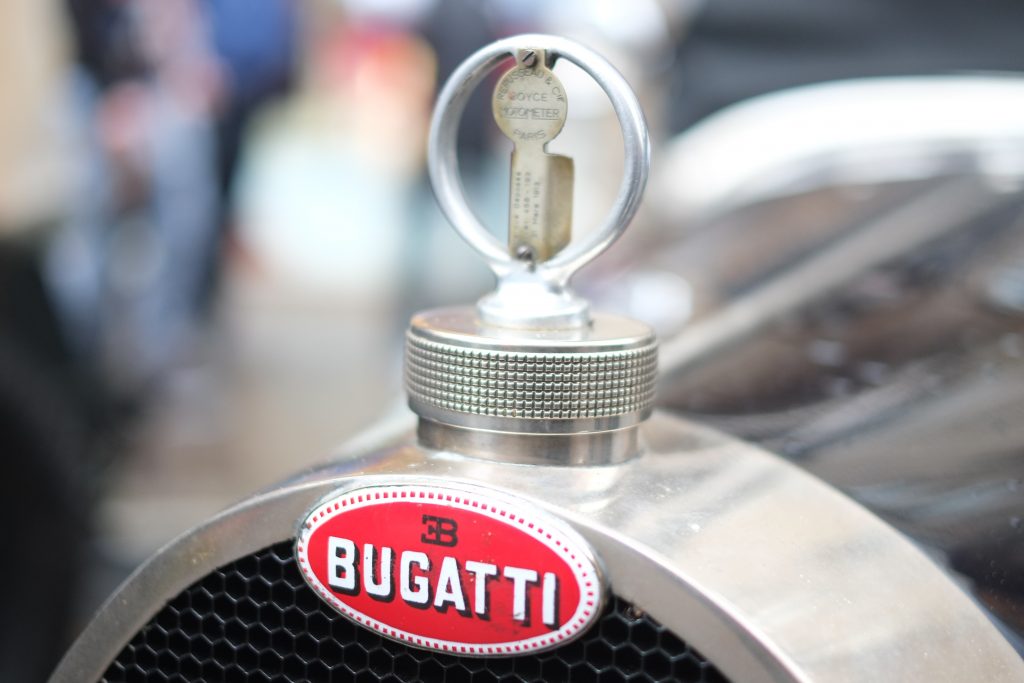

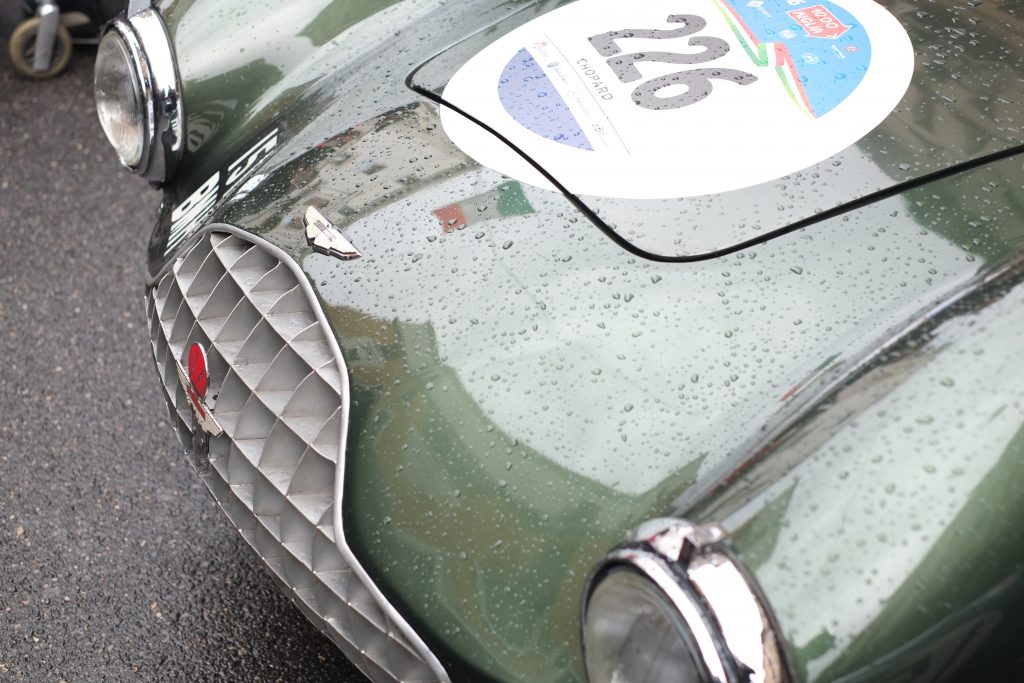
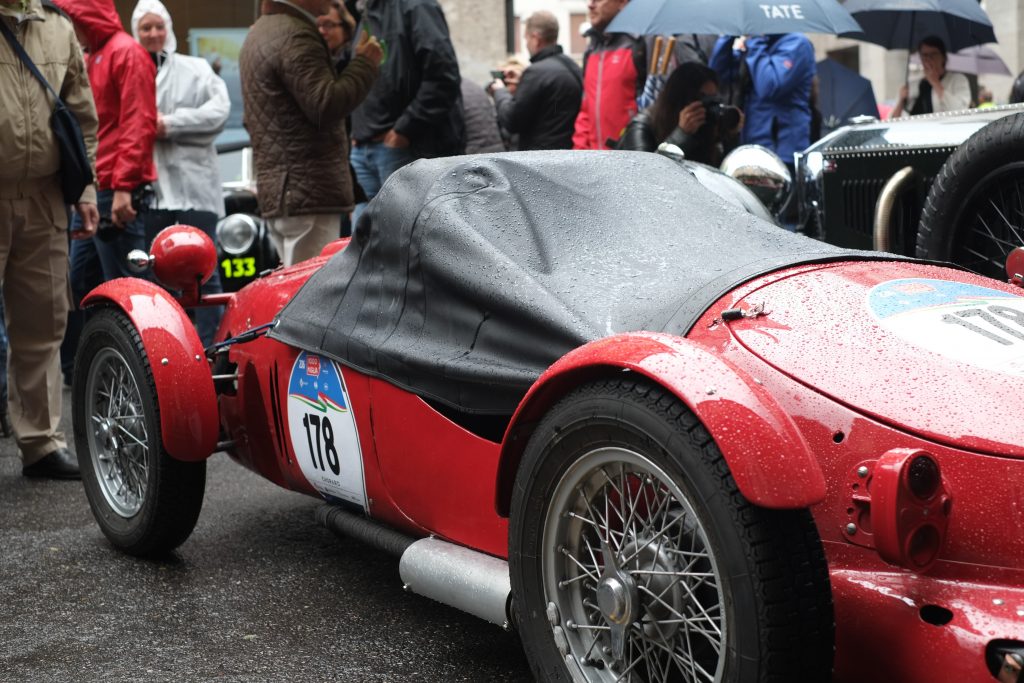
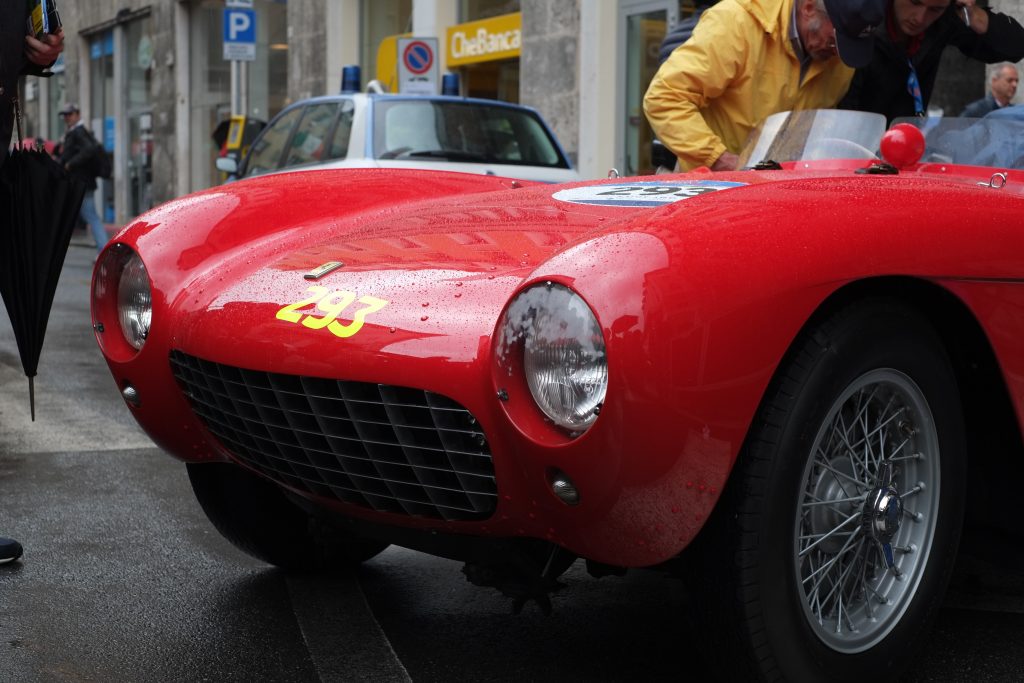
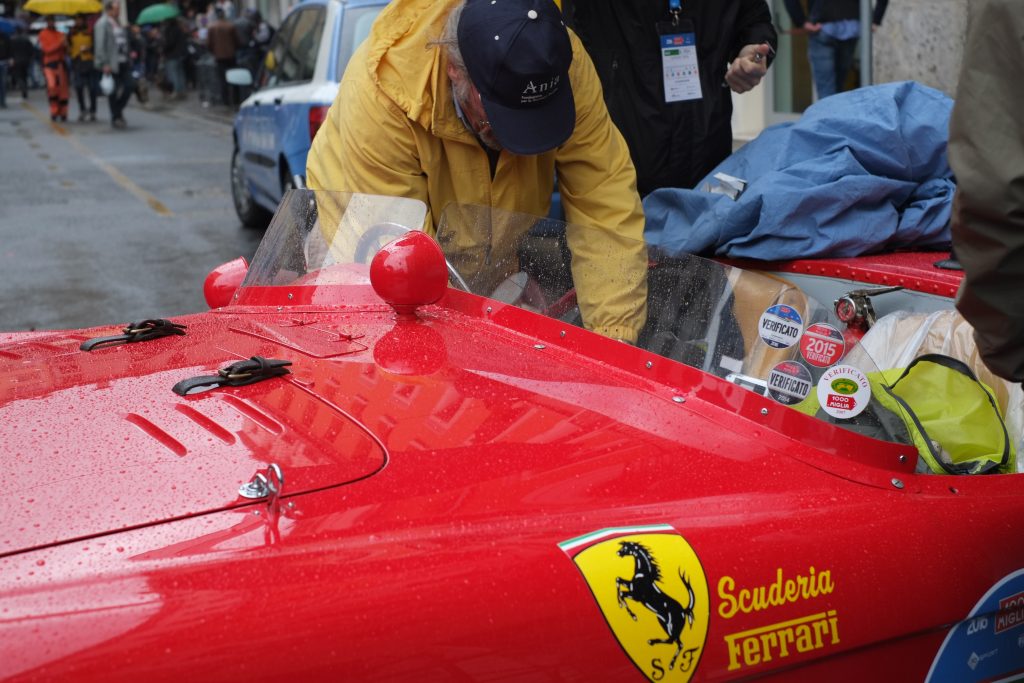
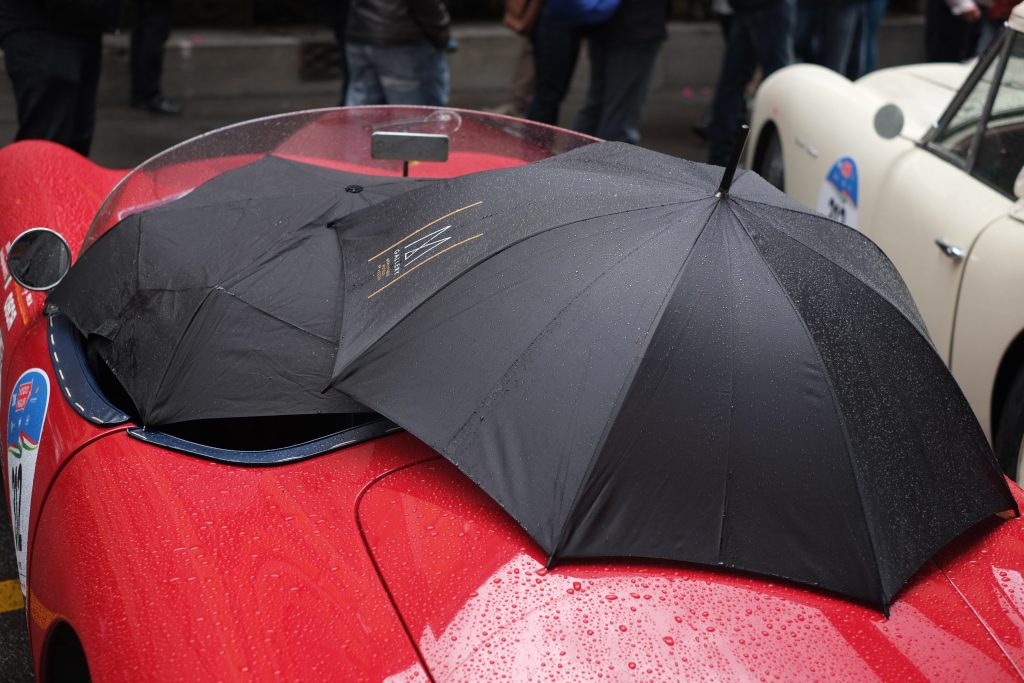
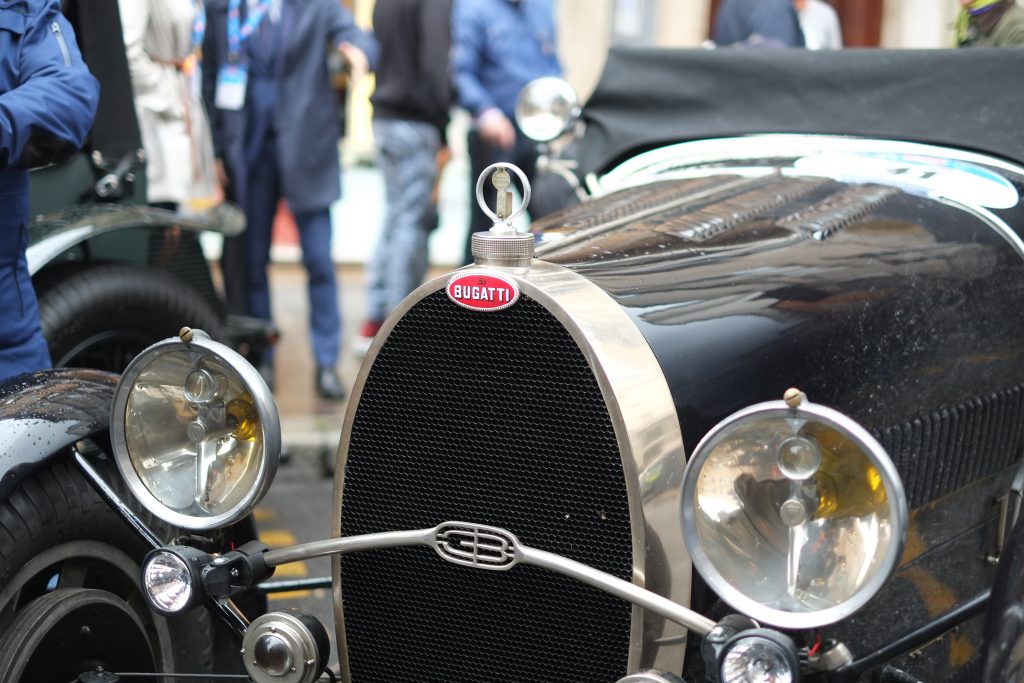

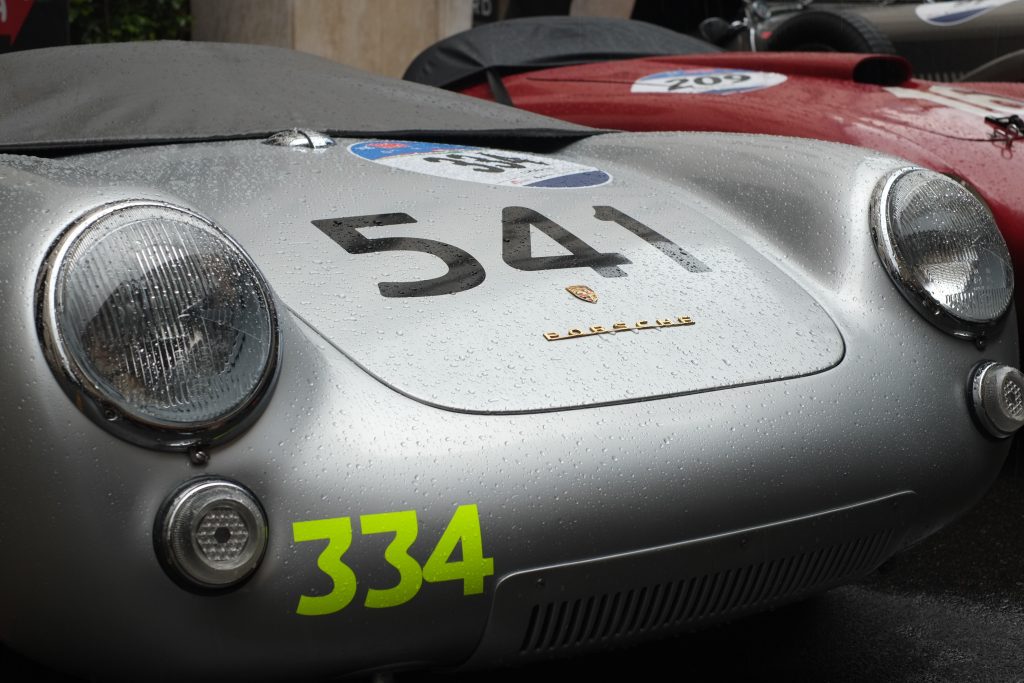


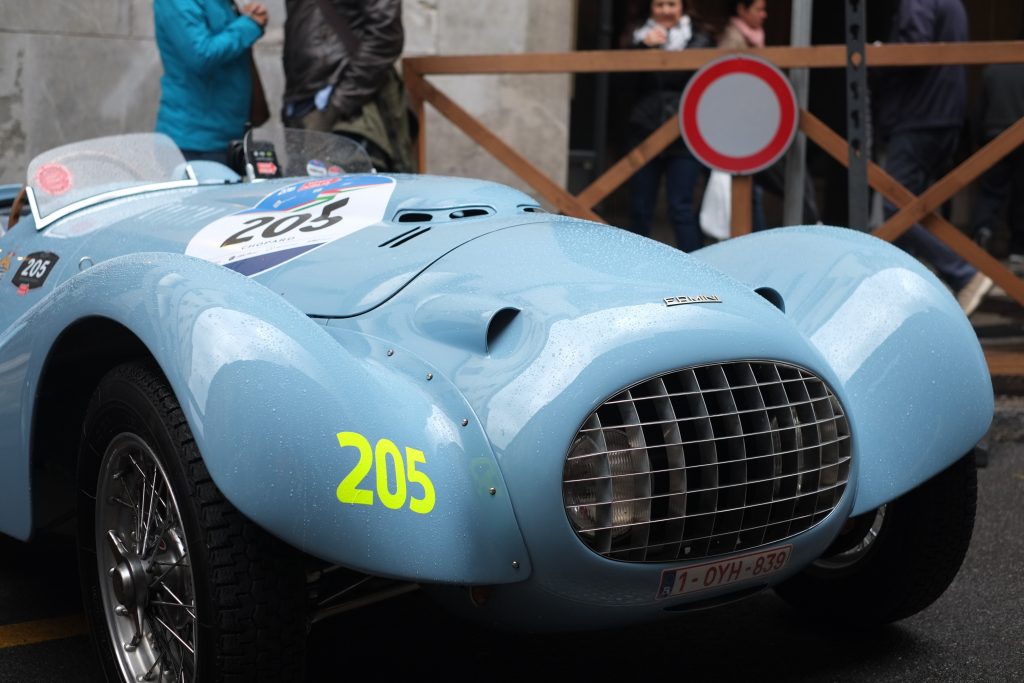
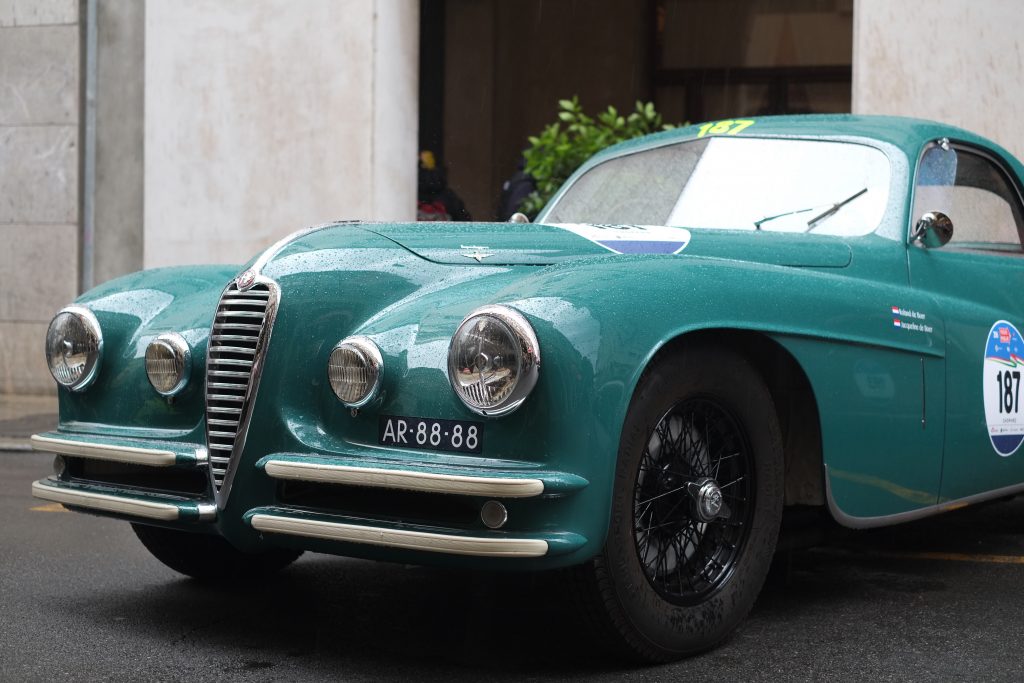
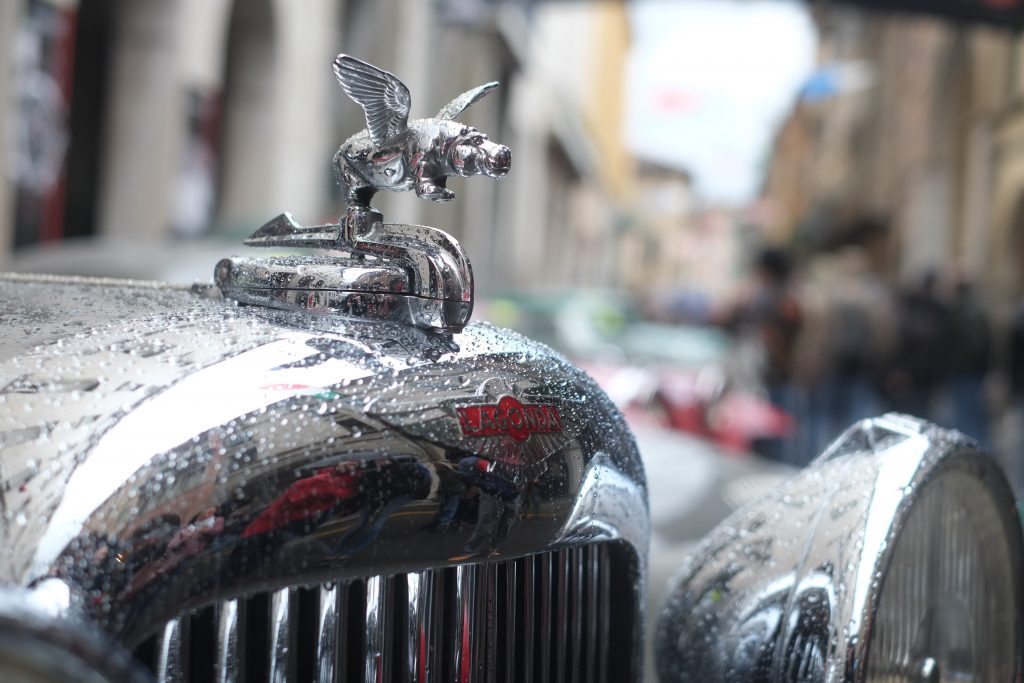
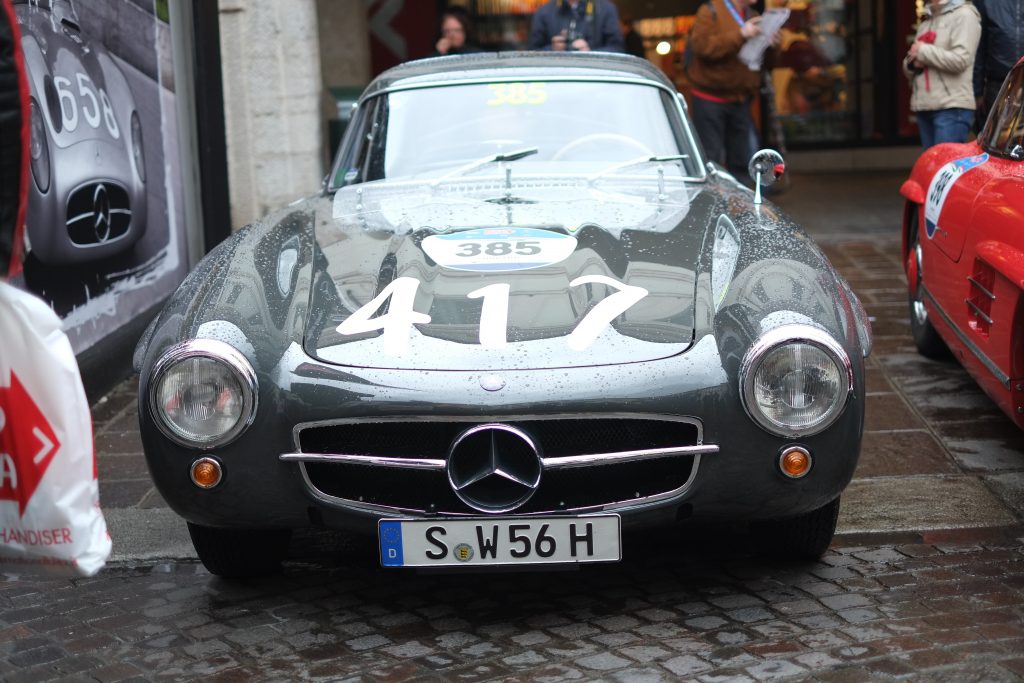
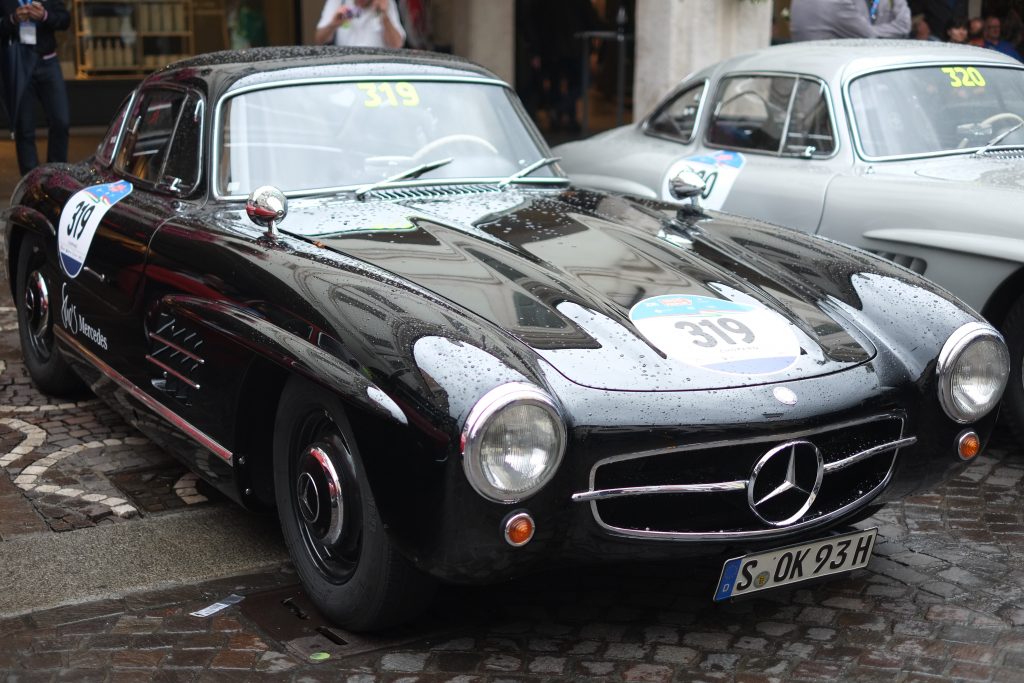
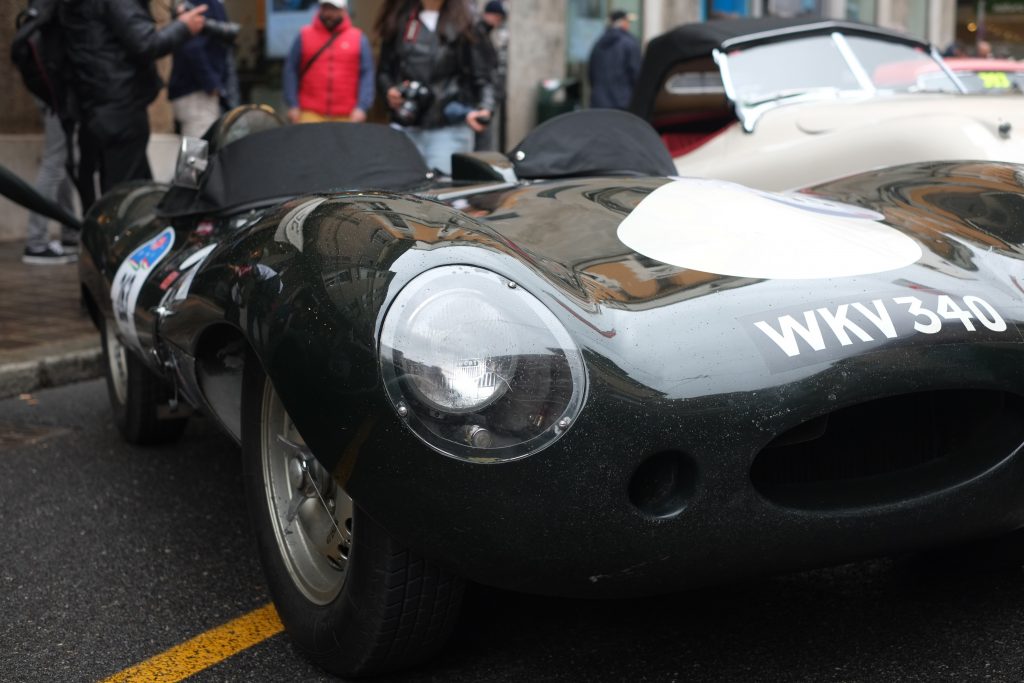
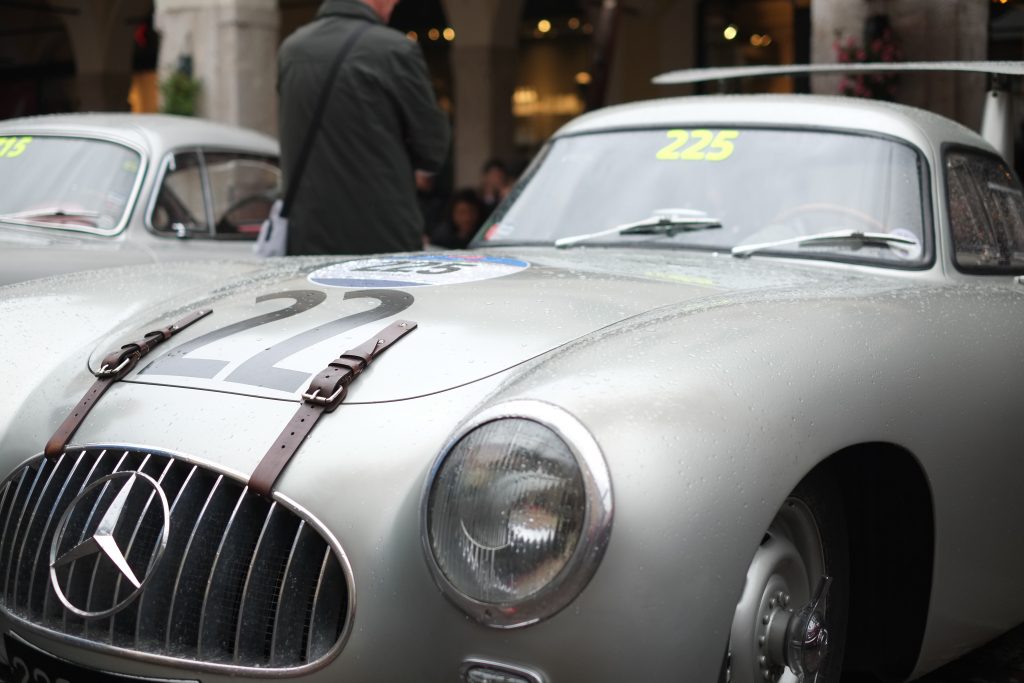

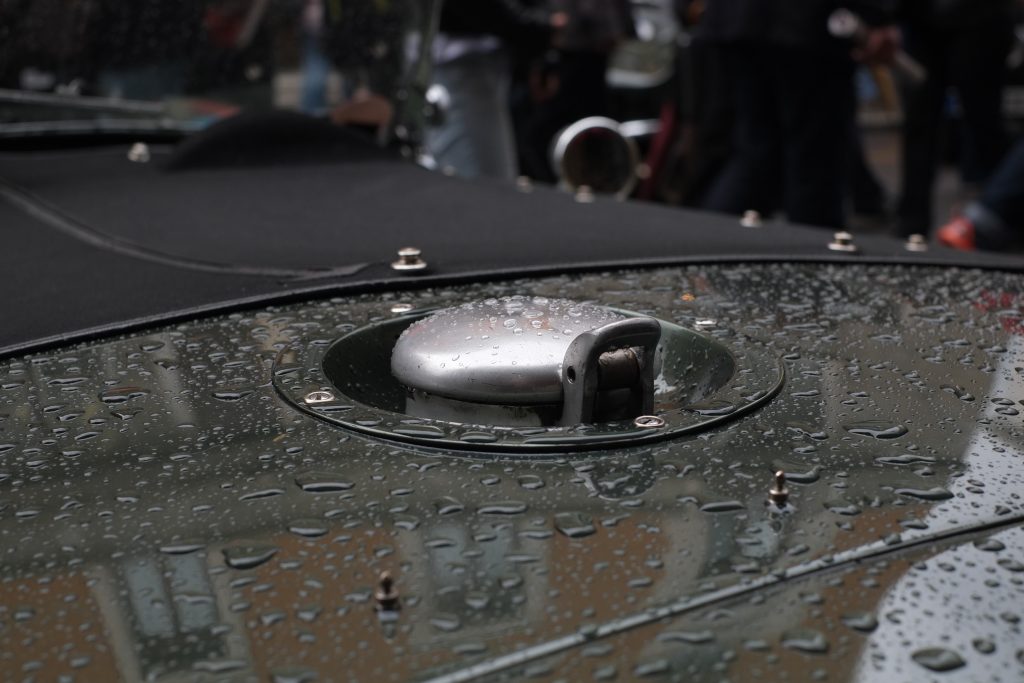
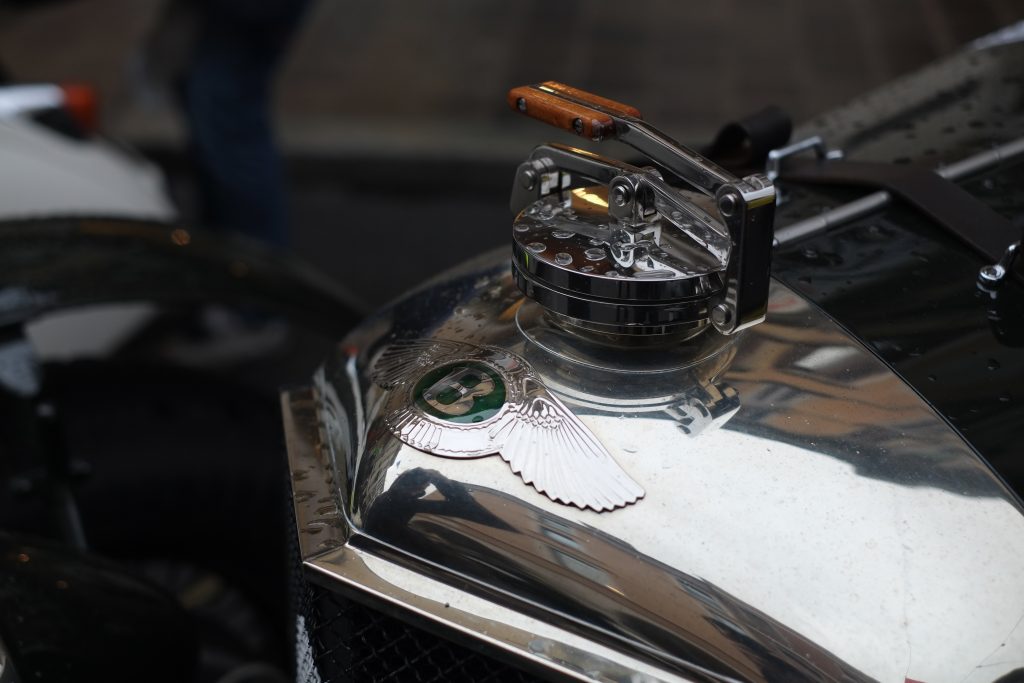

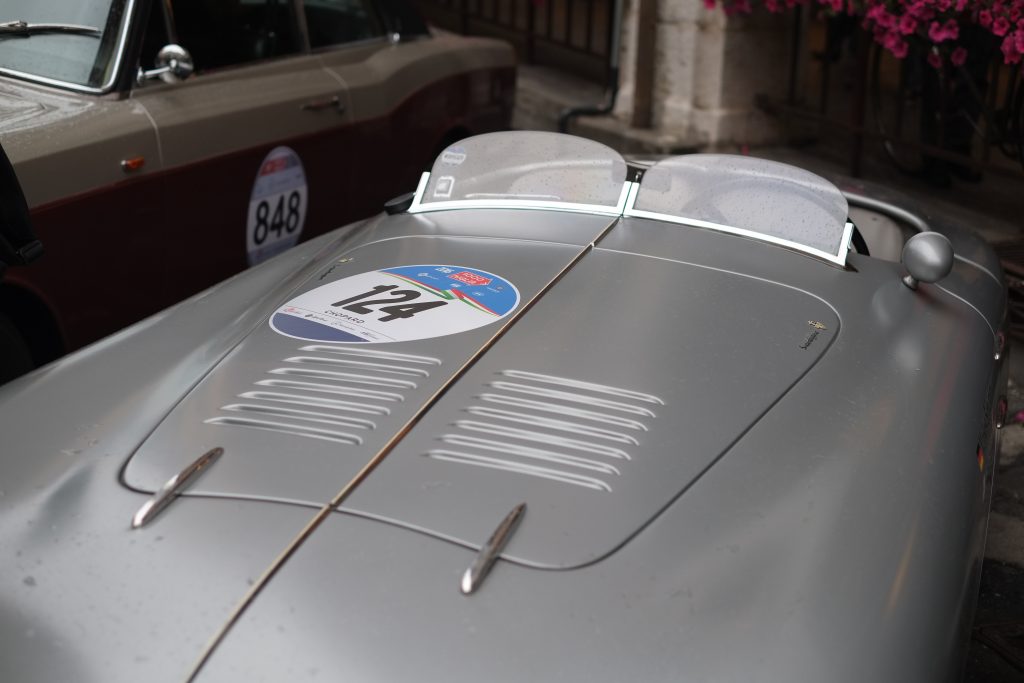
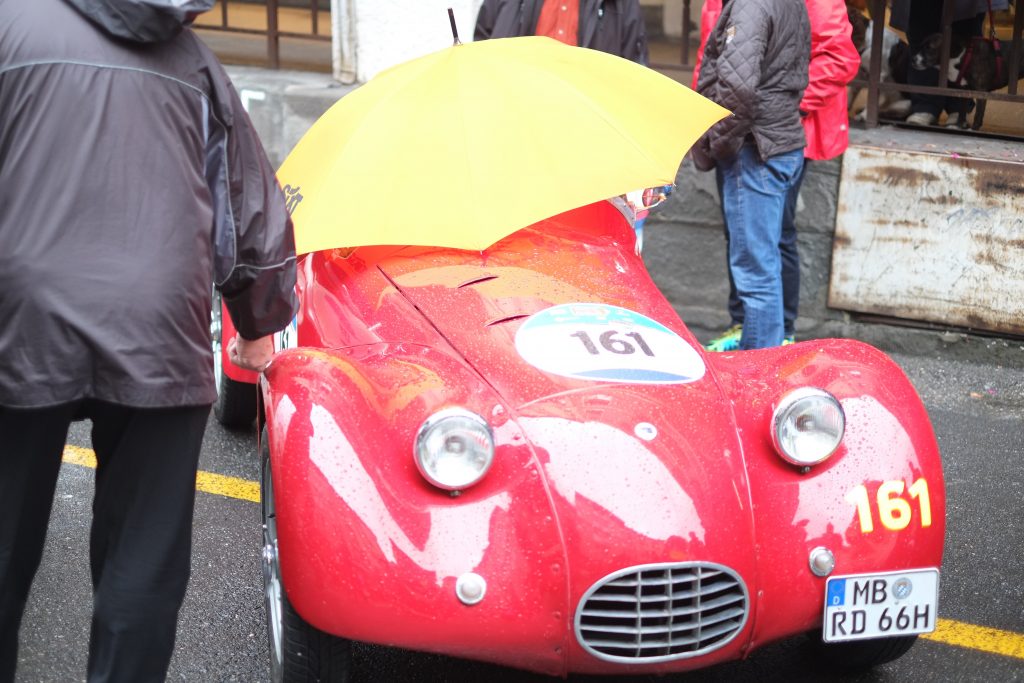
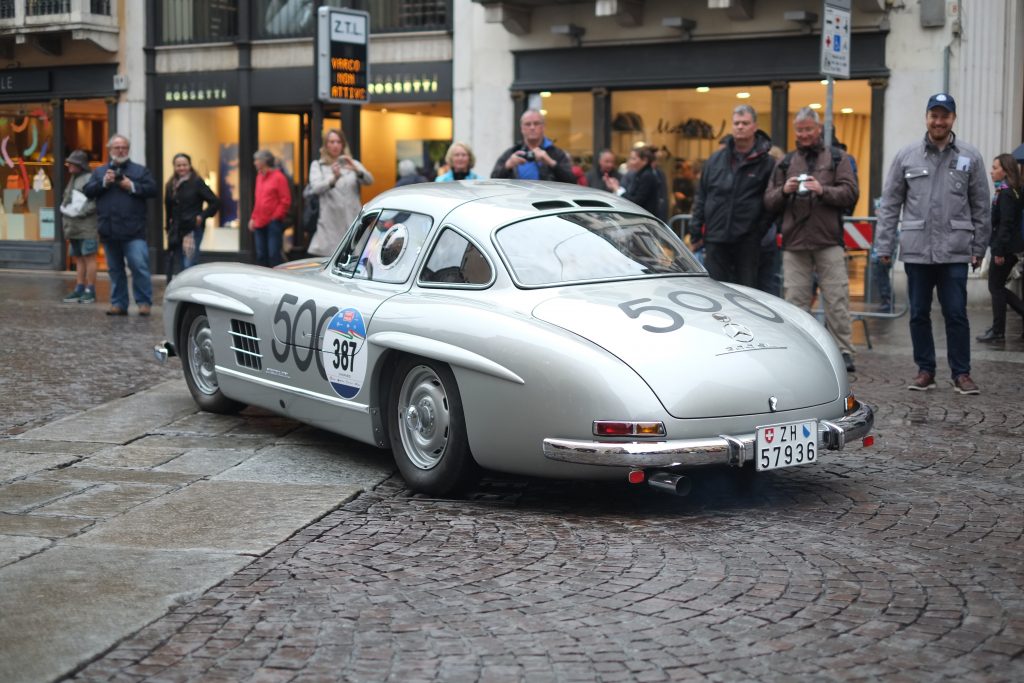
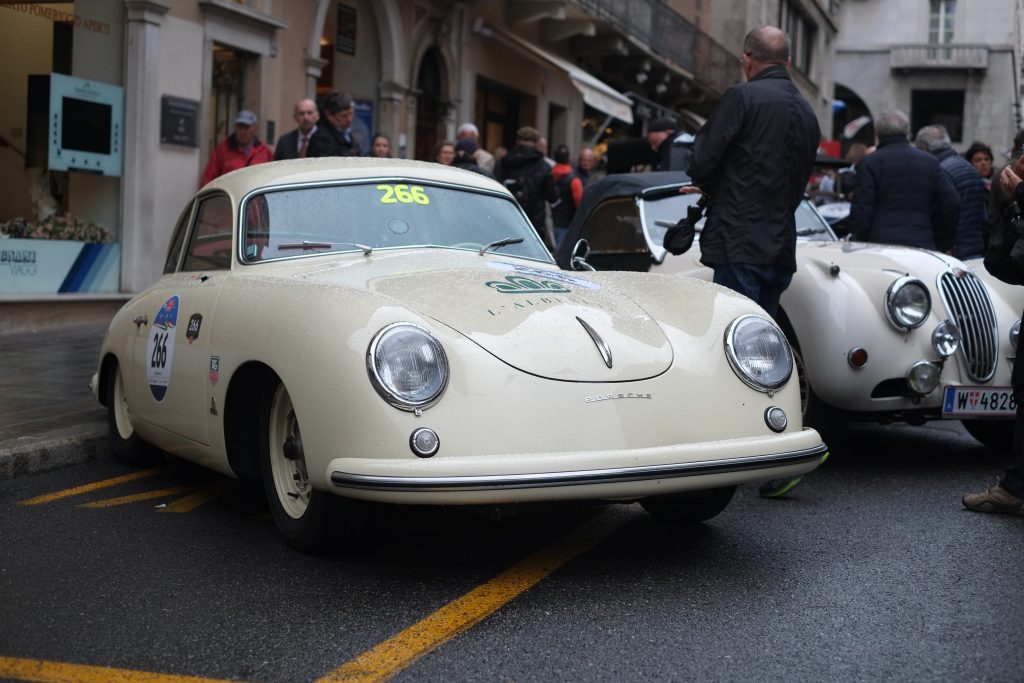
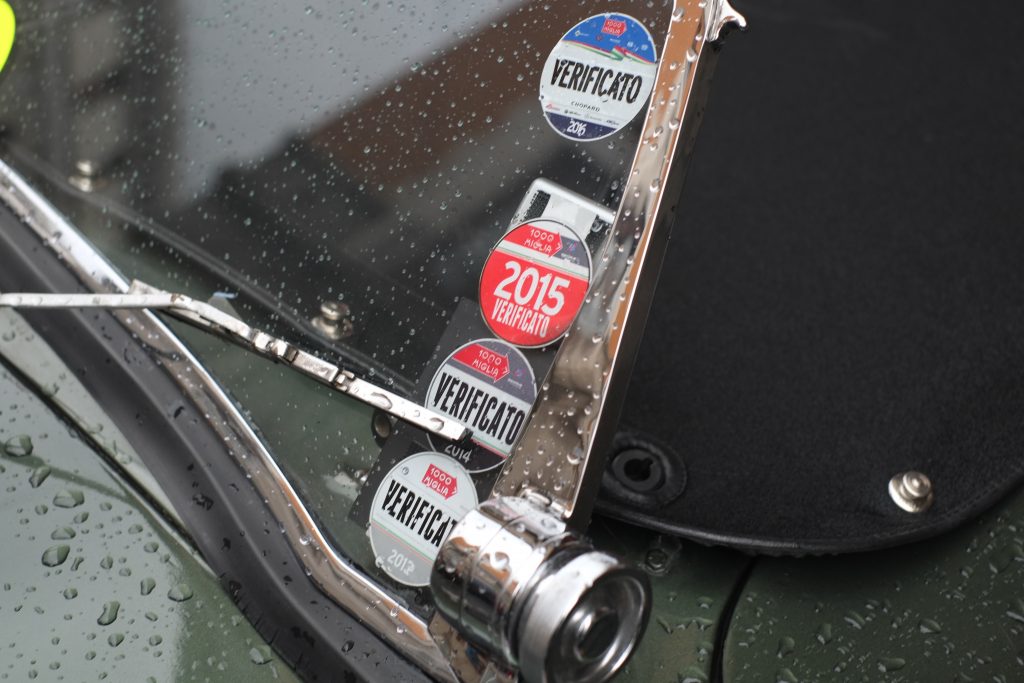
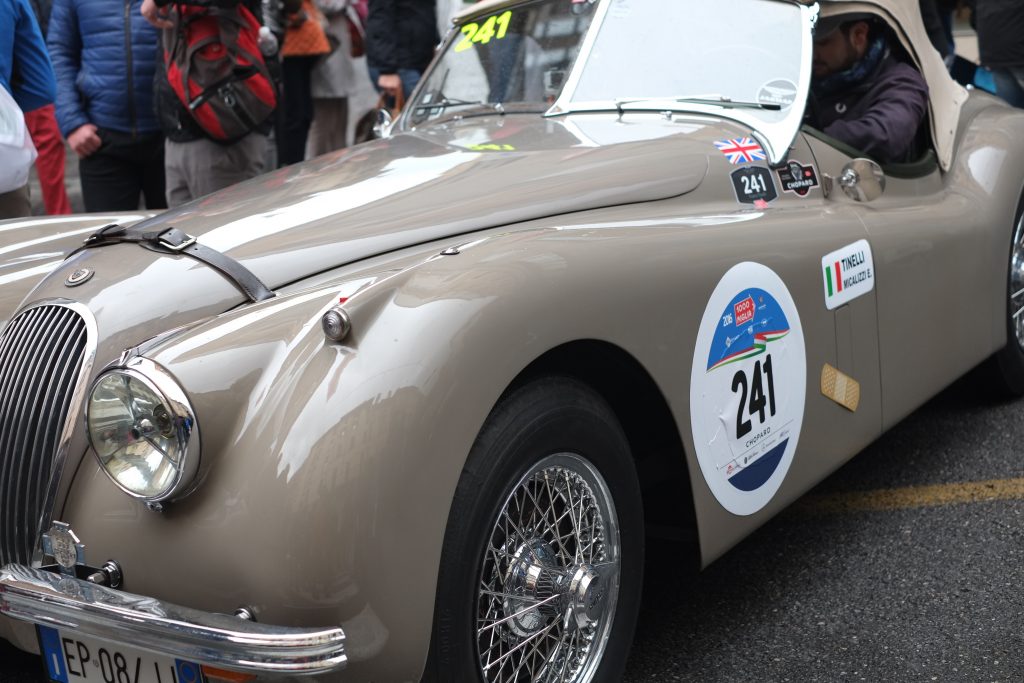
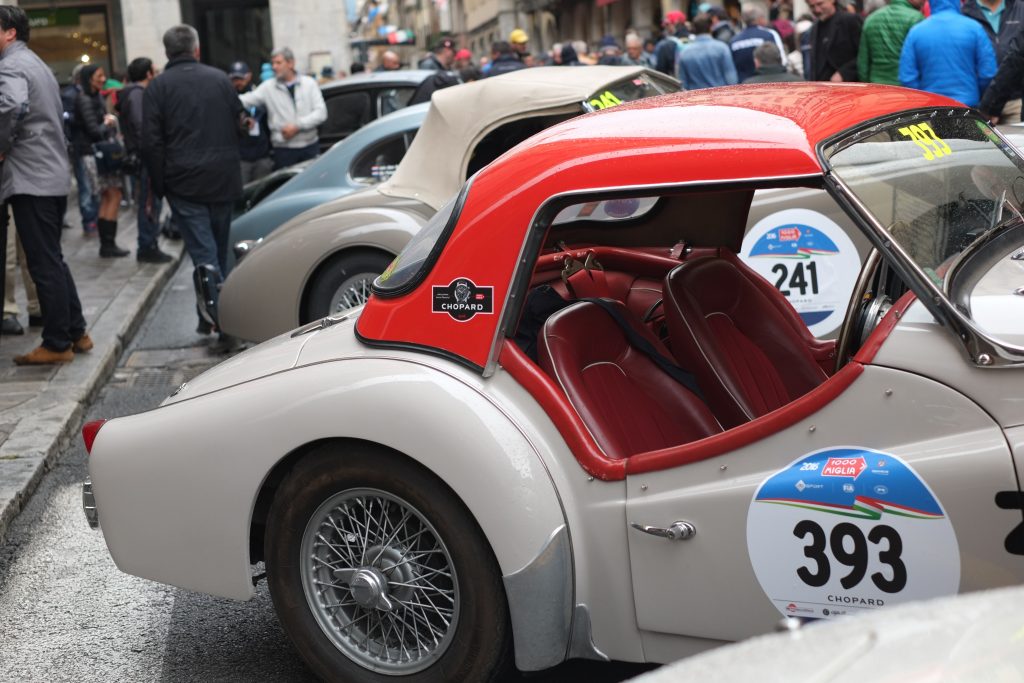
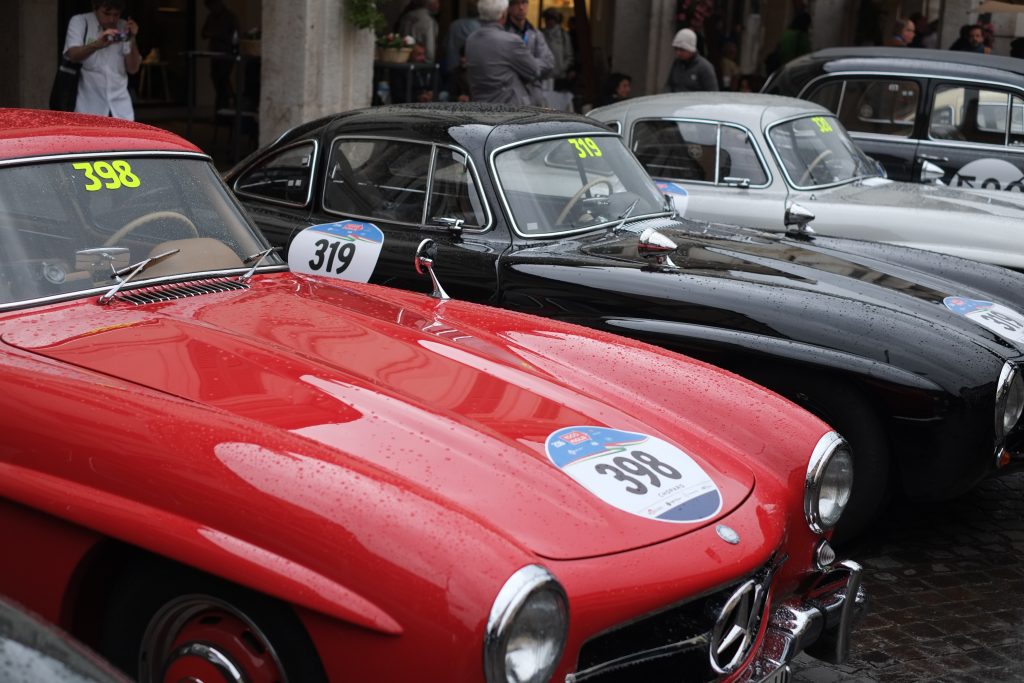
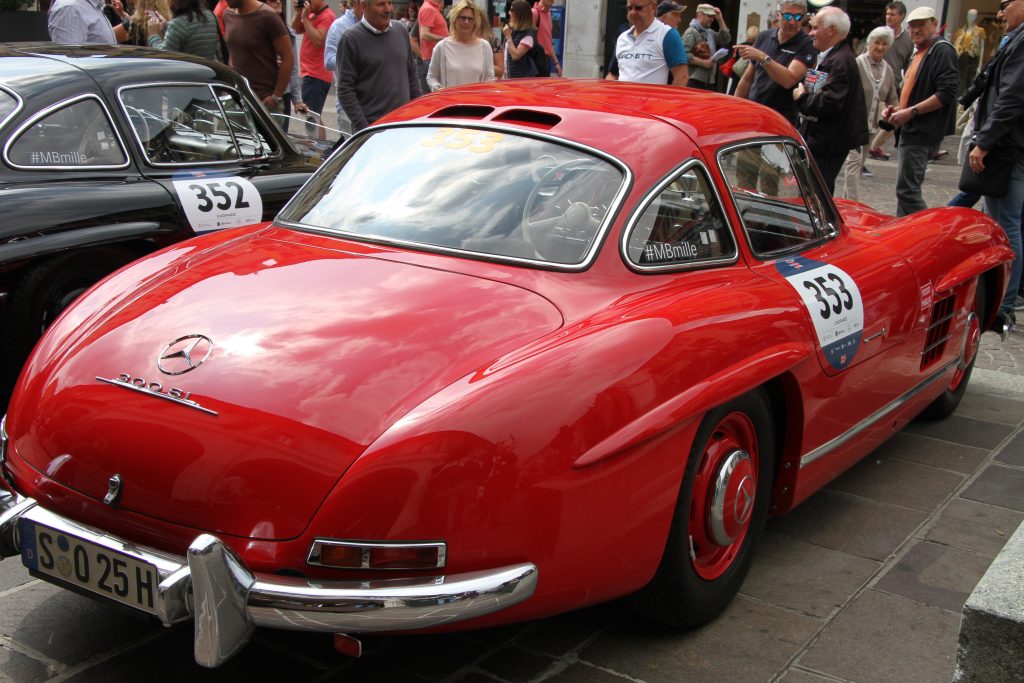
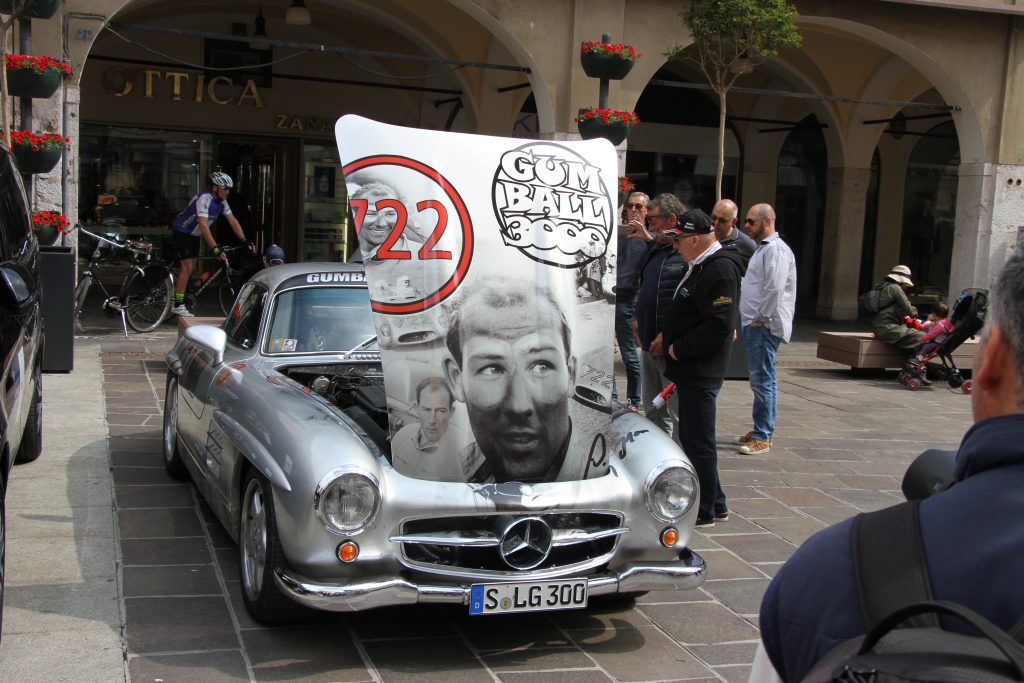
The race record is held by Sir Stirling Moss and navigator Denis Jenkinson driving a Mercedes 300 SLR in 10 hours 7 minutes and 48 seconds. An average speed of 97.96 mph over the then 992 miles of the course – phenomenal. Very sadly Sir Stirling recently died, he will be sorely missed.
En route
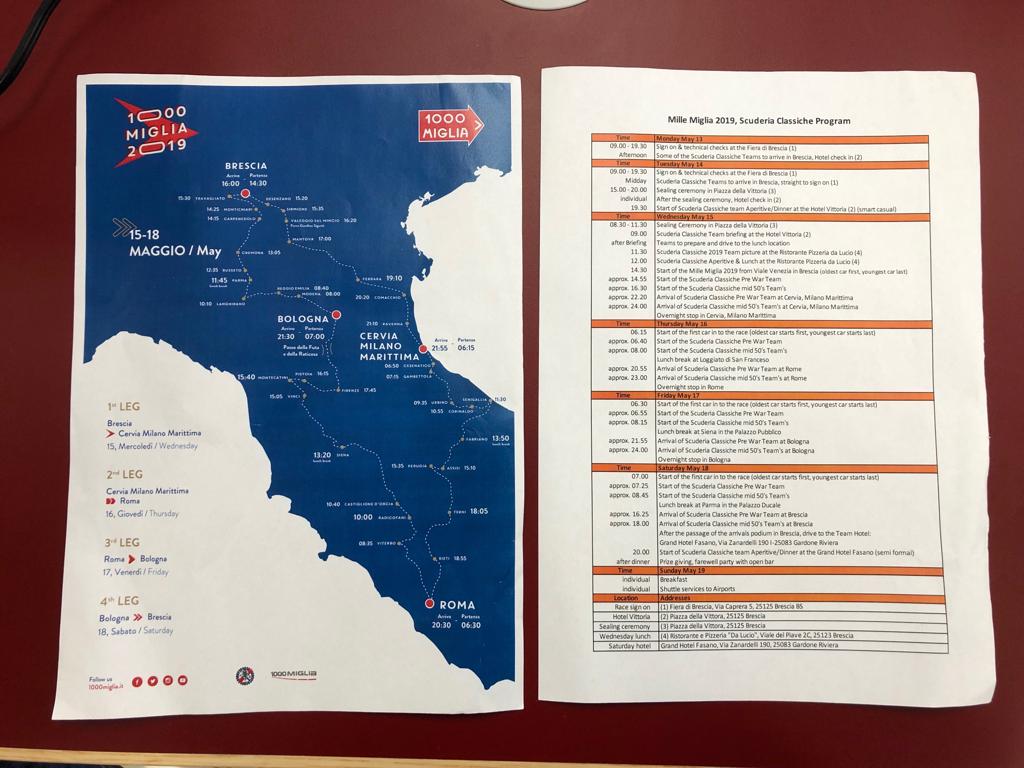
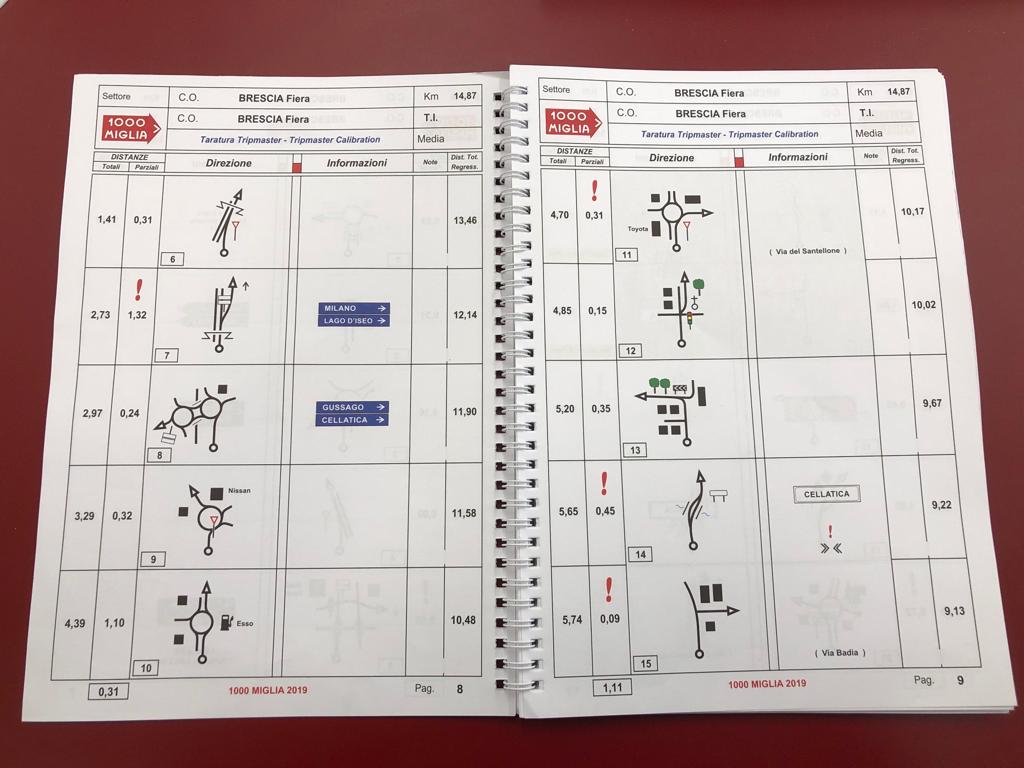
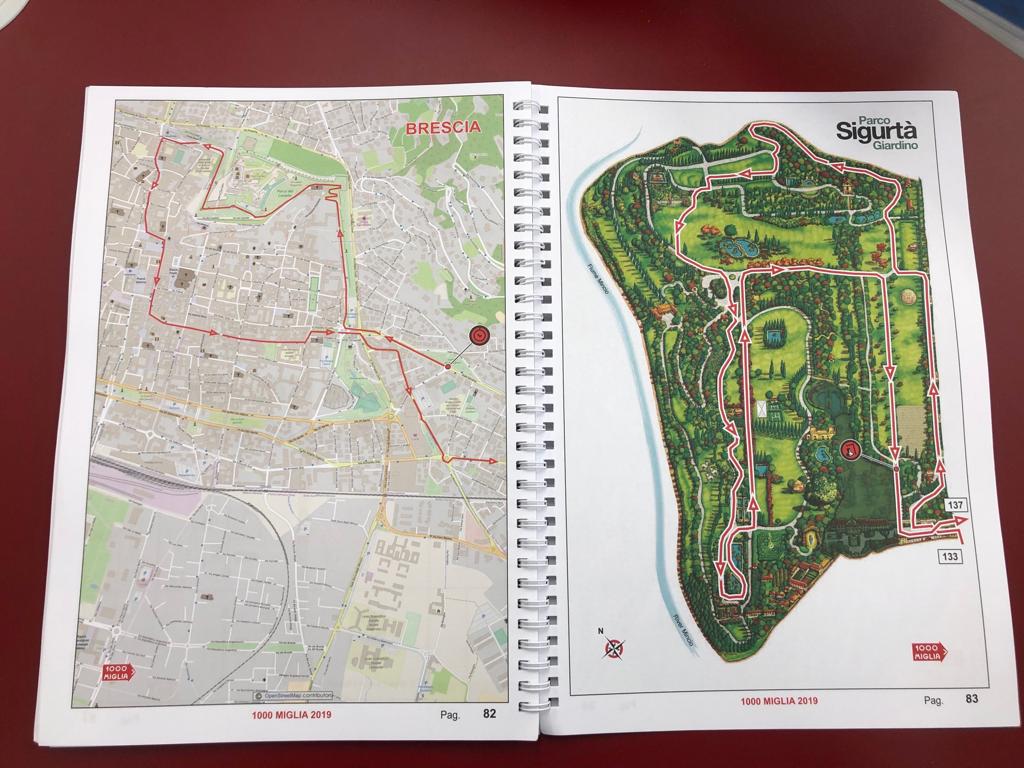
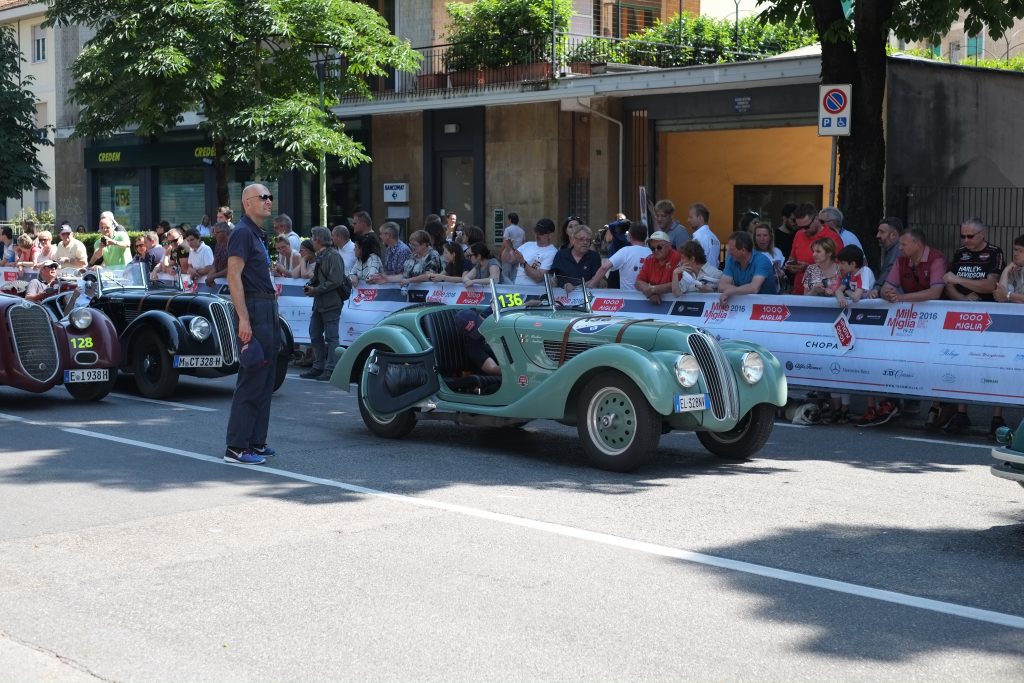
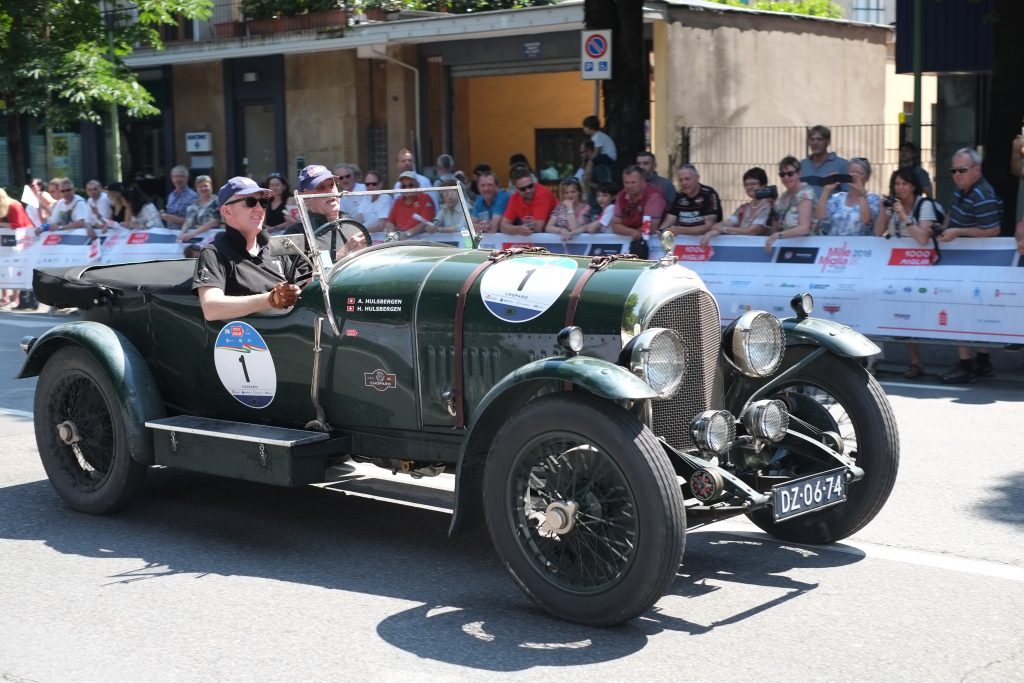
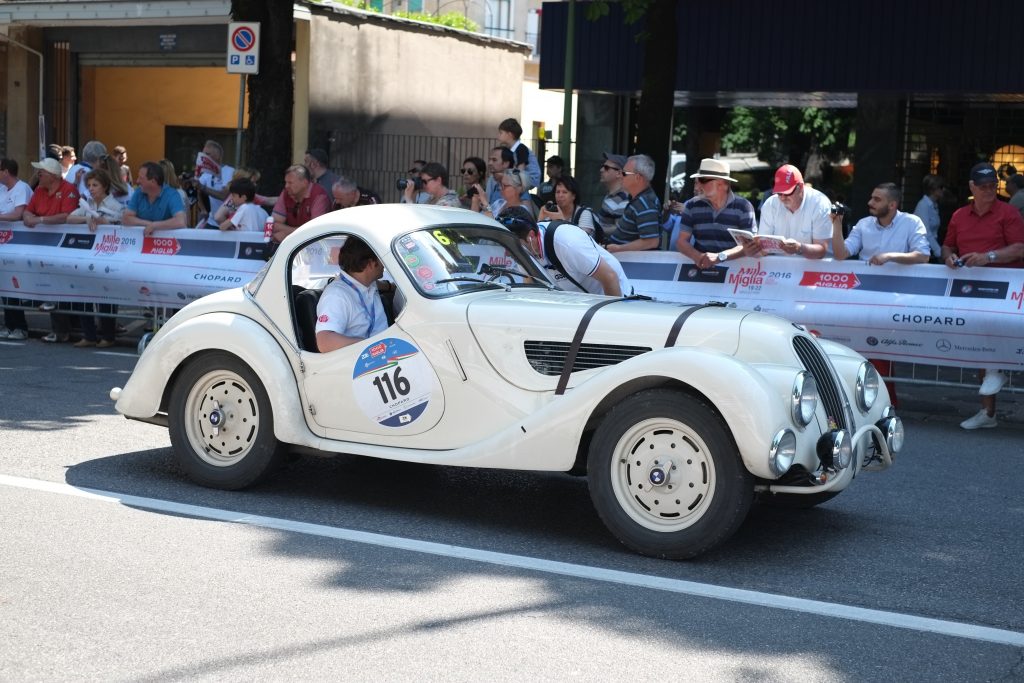
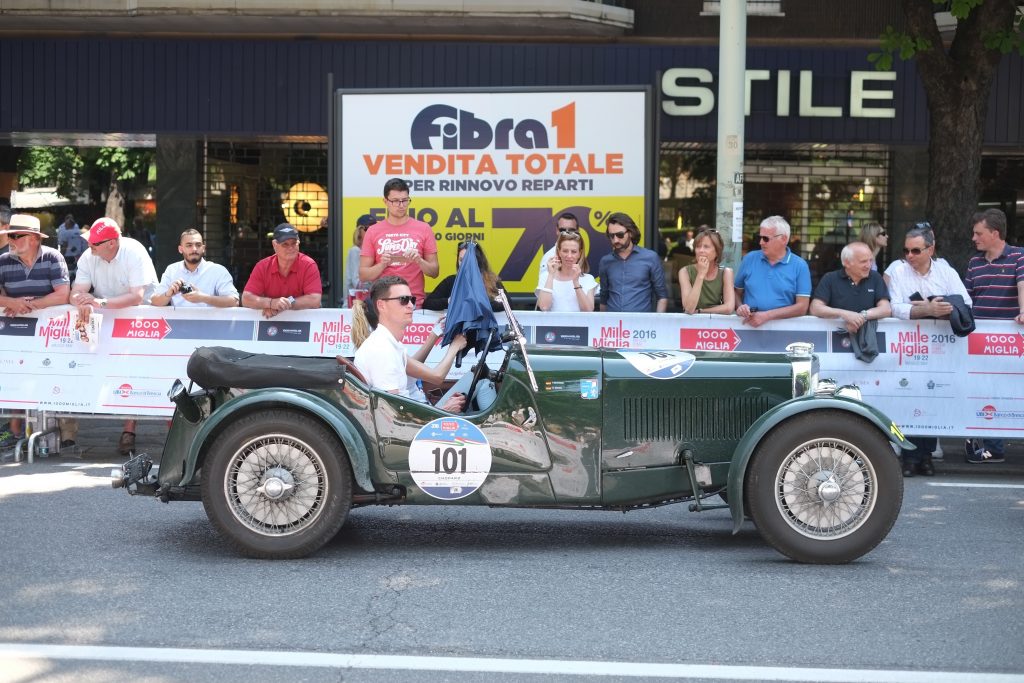
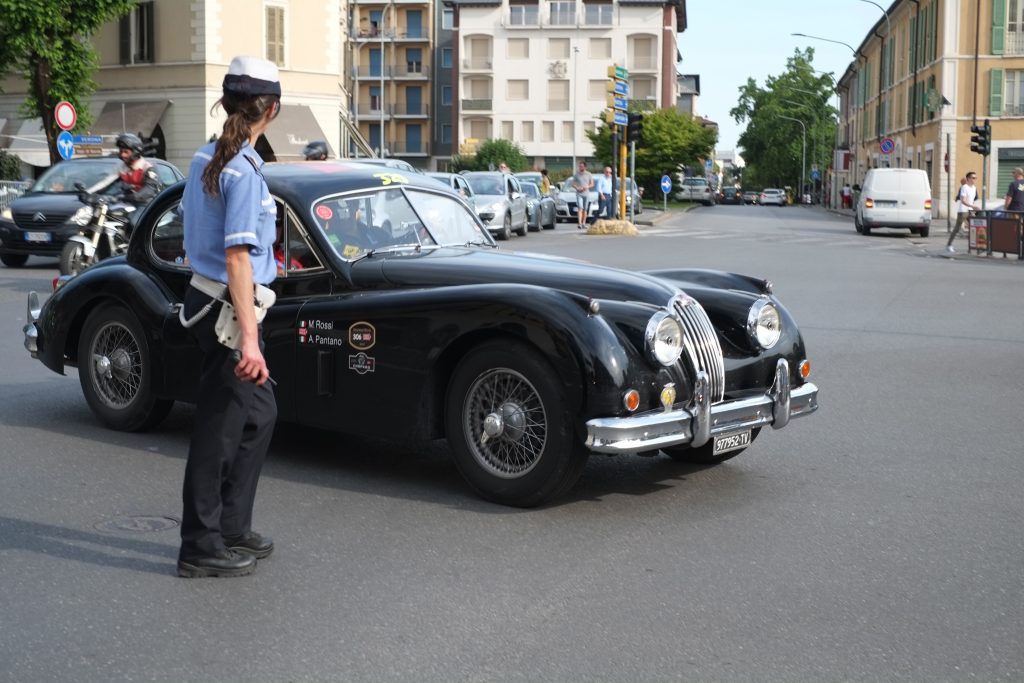
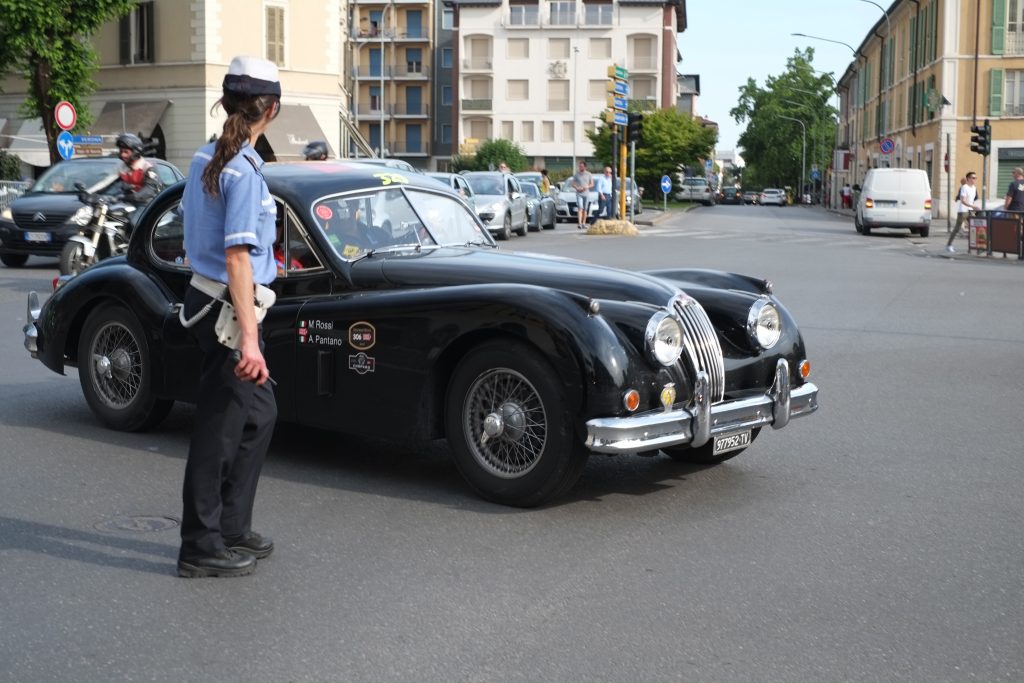
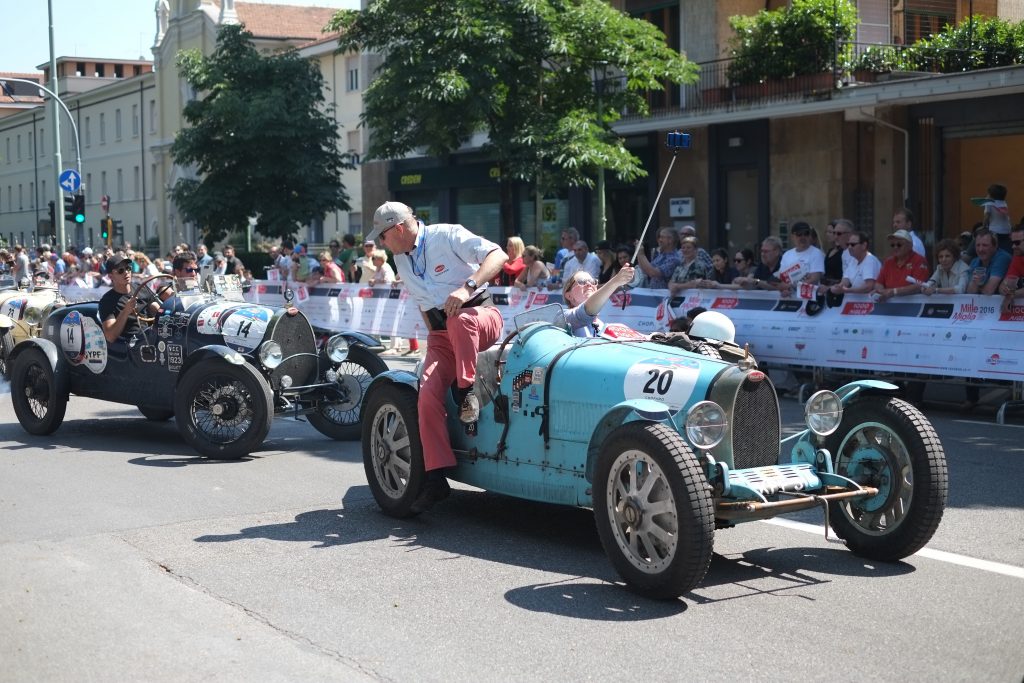
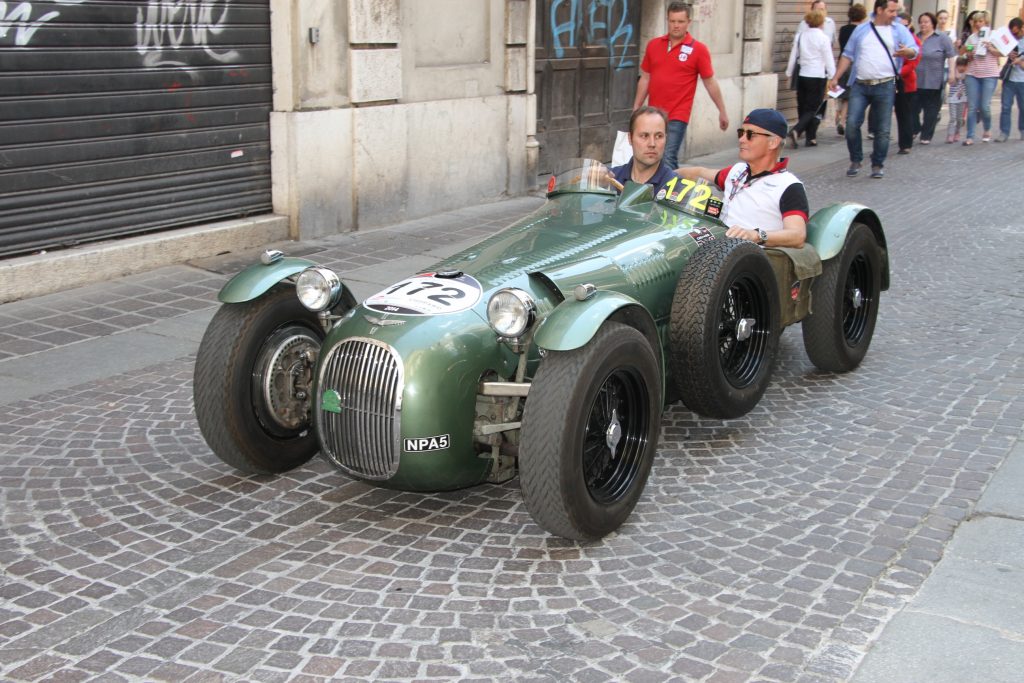
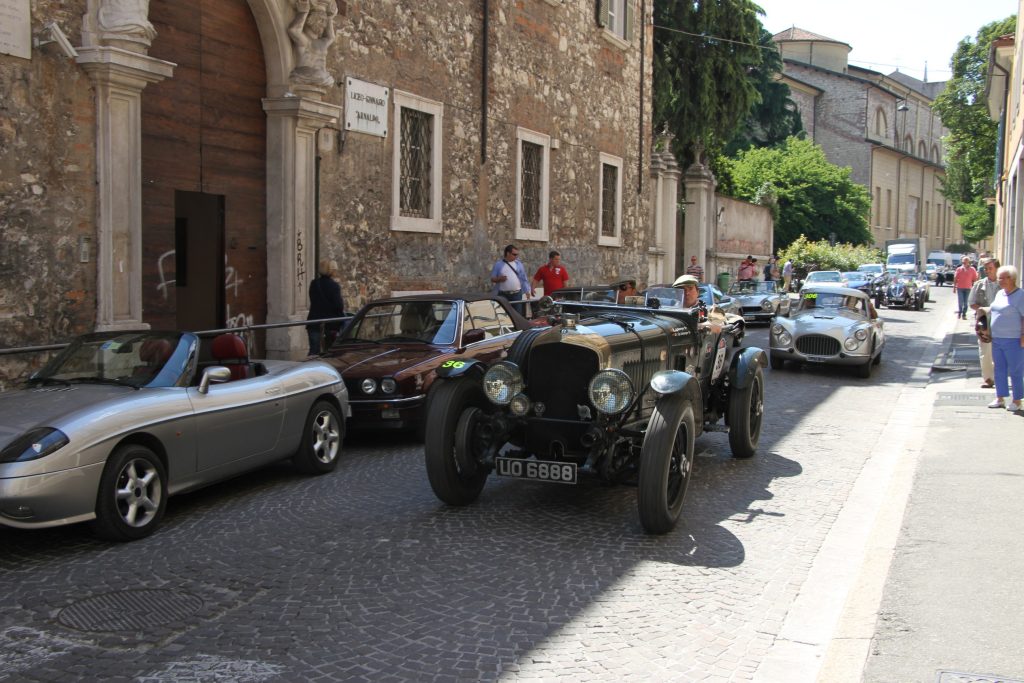
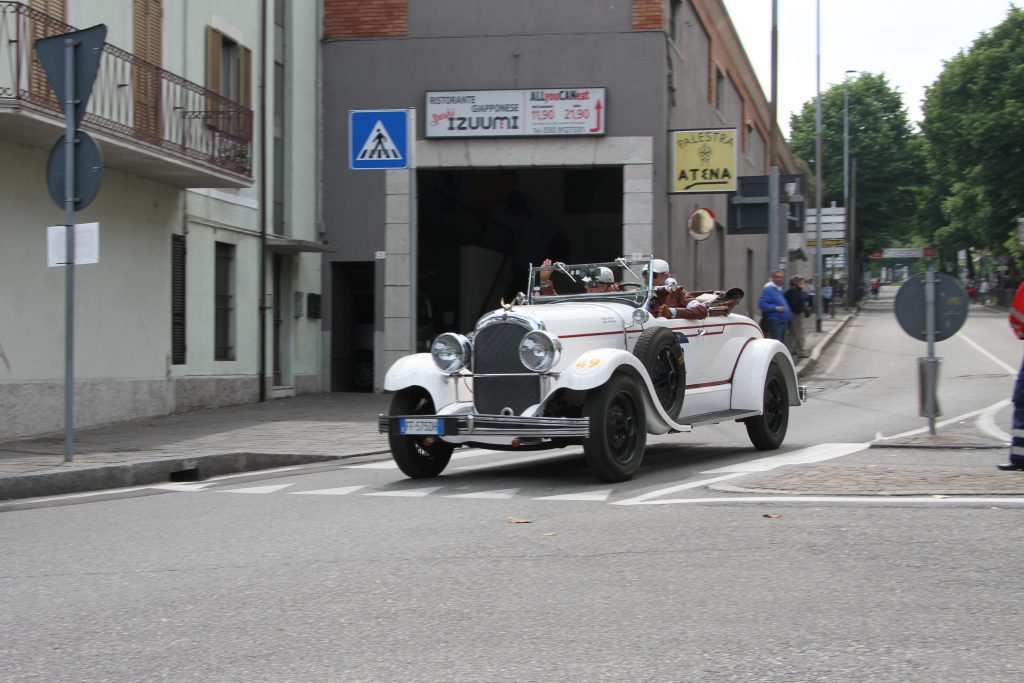
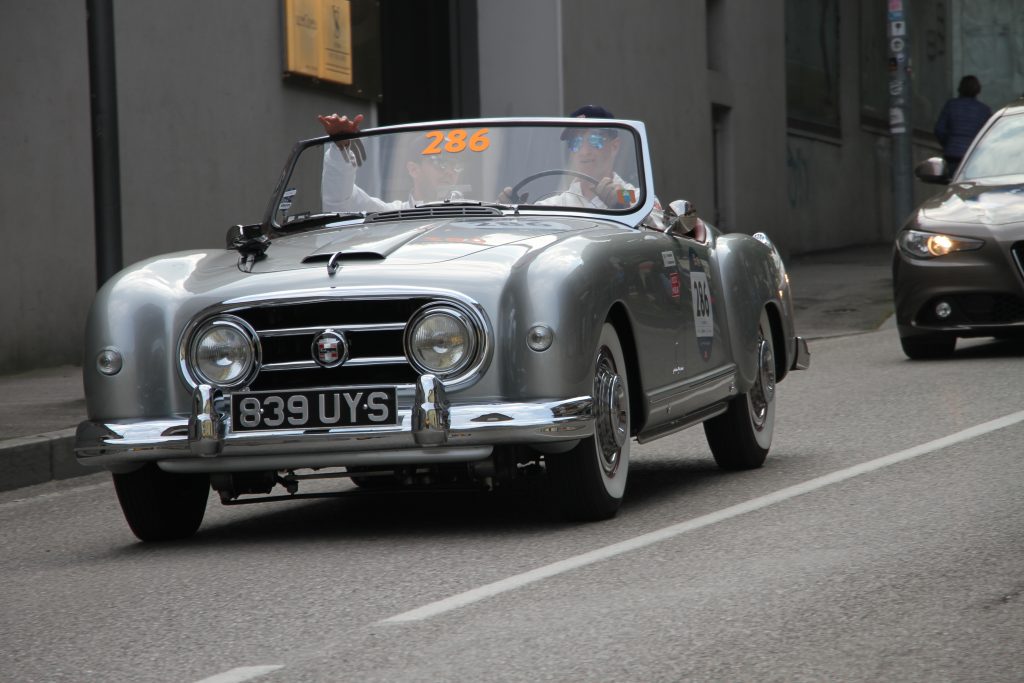
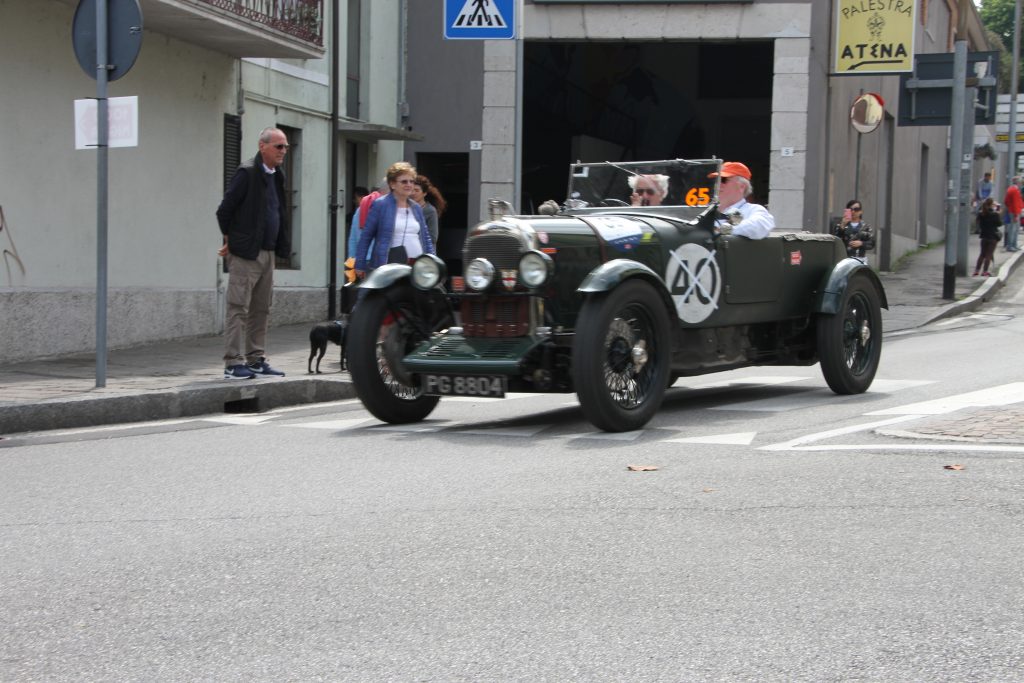
The route taken uses roads that remain in use throughout the day. Only in town centres where uninterrupted traffic flow is required are the roads closed to the public. This is beneficial for both spectators and crew when 400 cars are expected to negotiate otherwise busy thoroughfares.
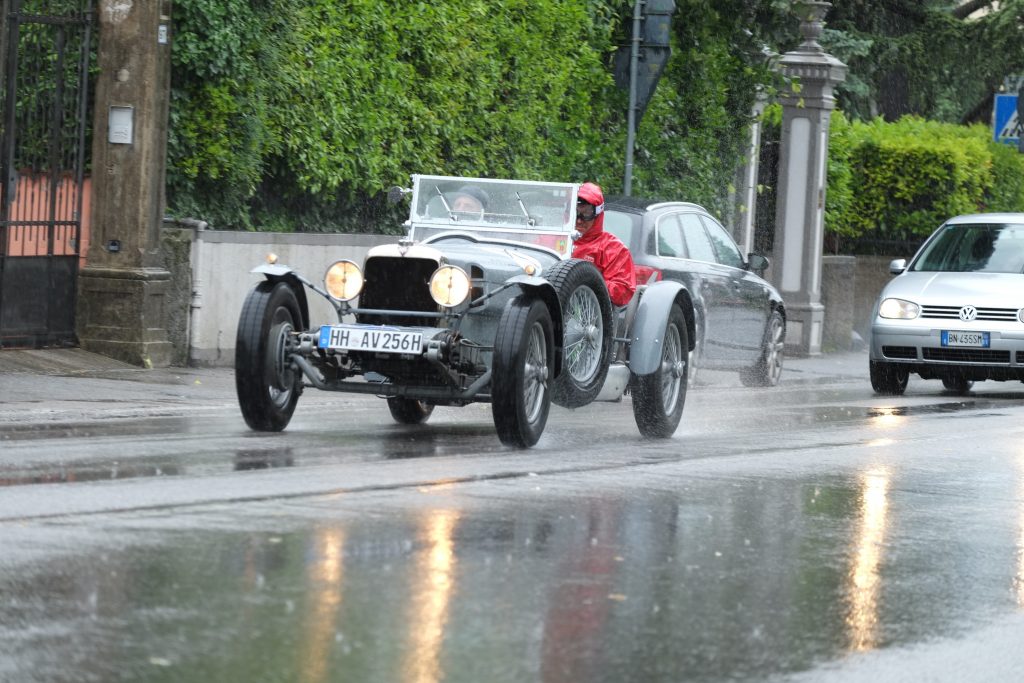
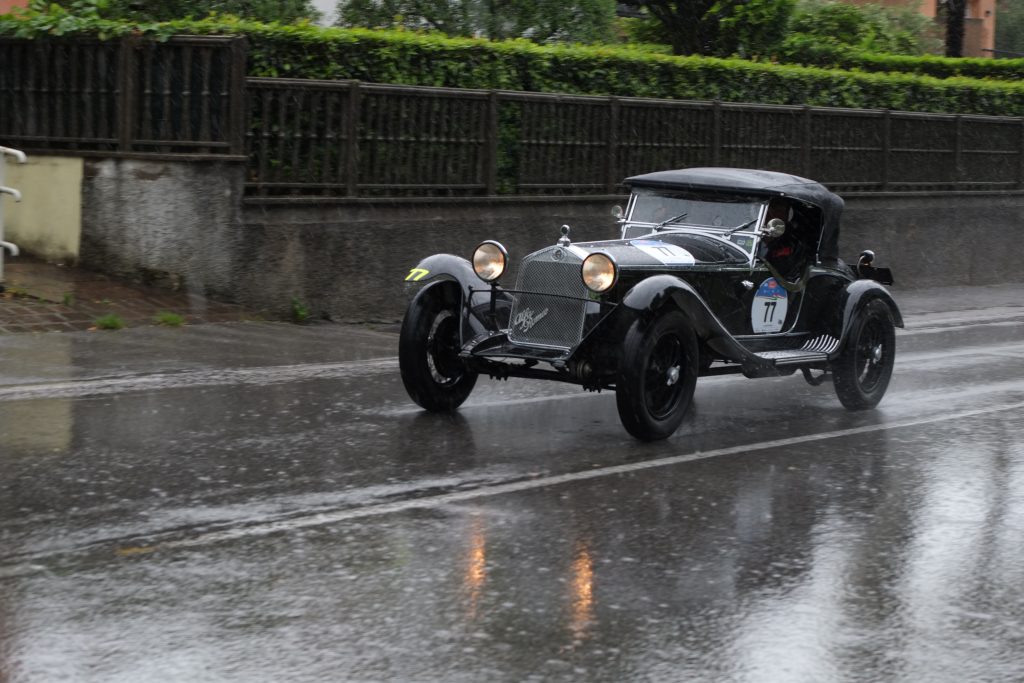


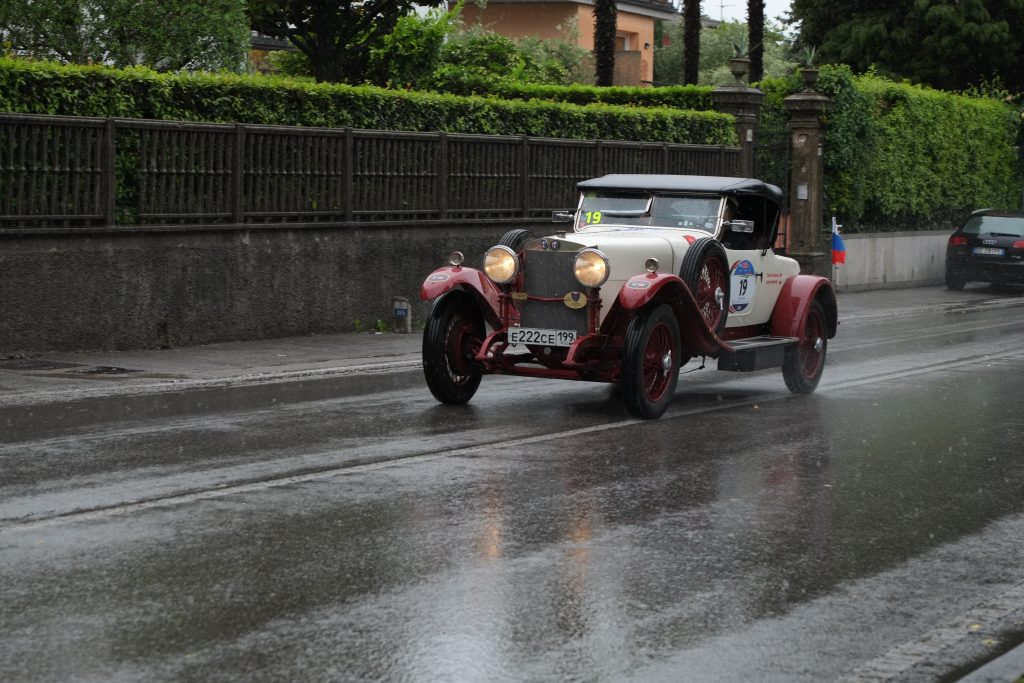

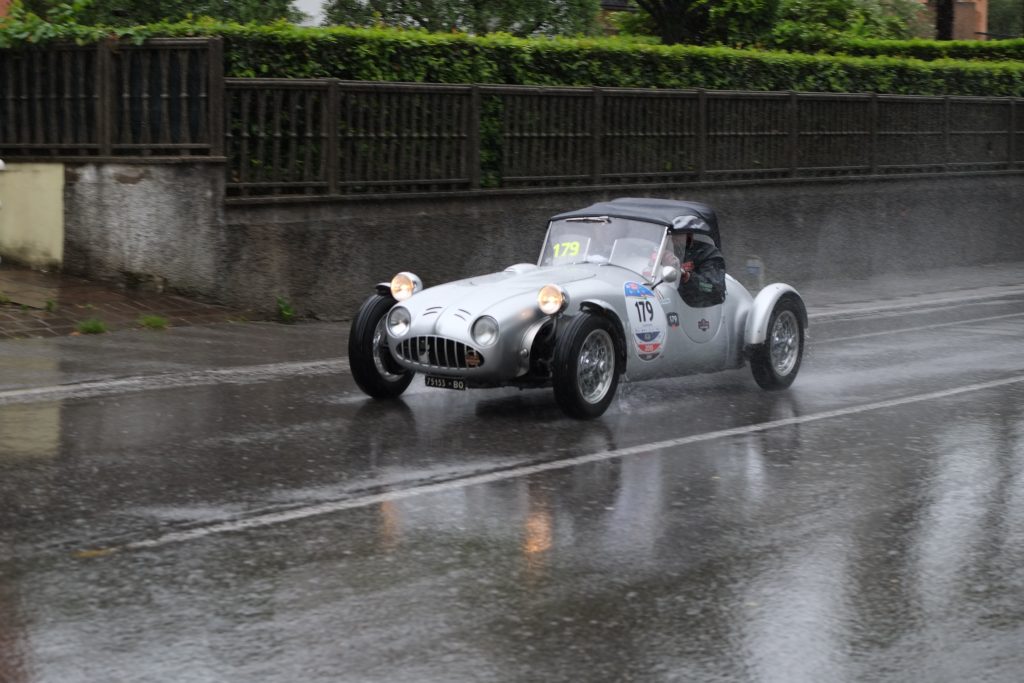
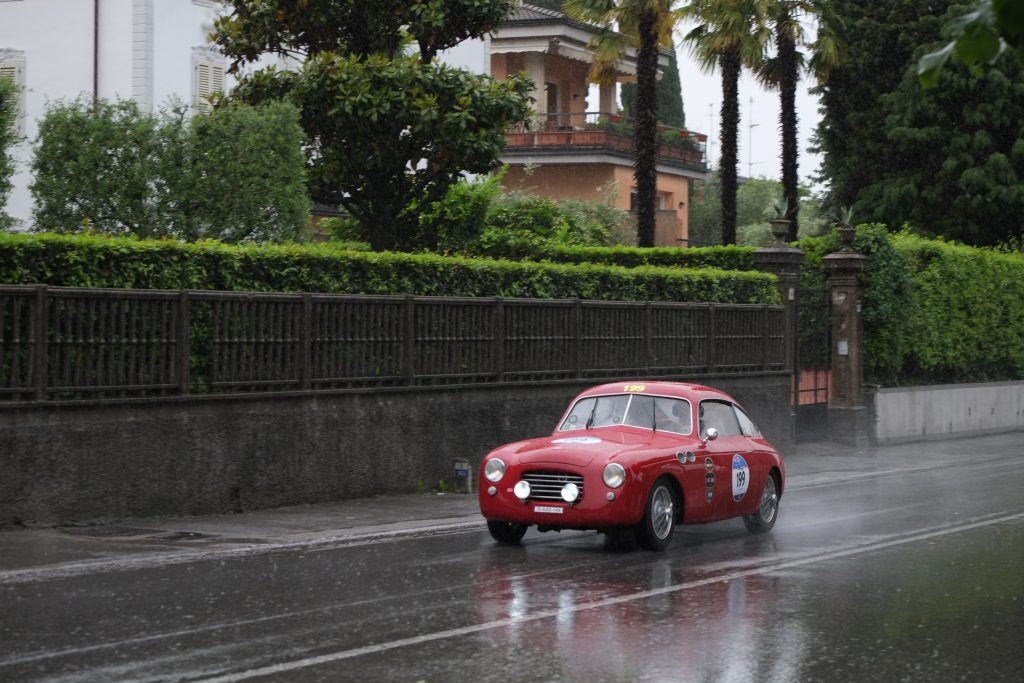
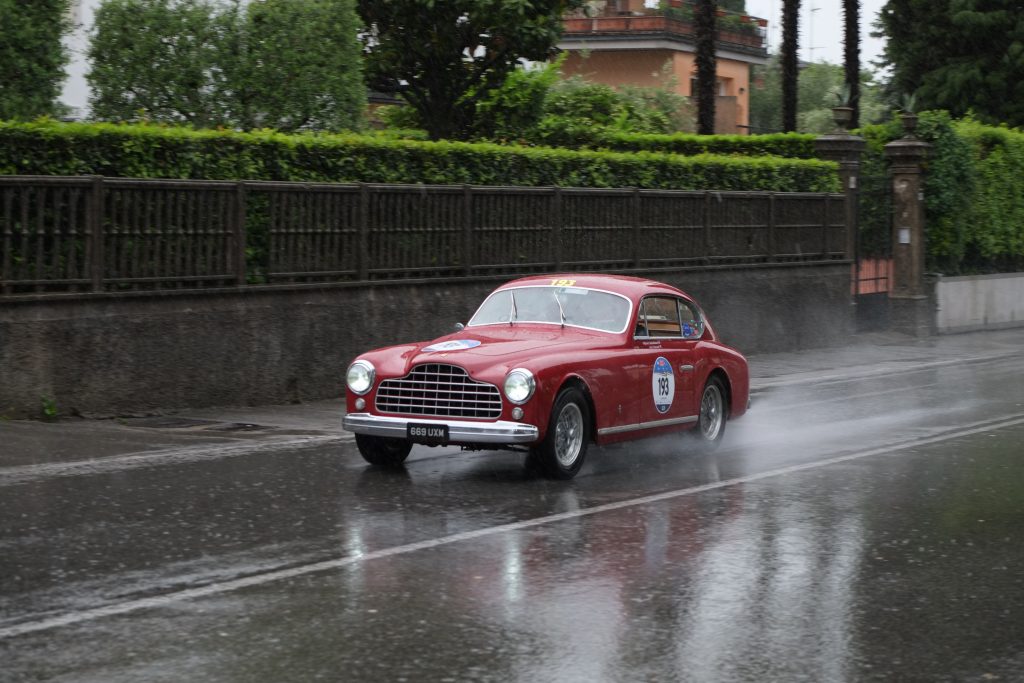
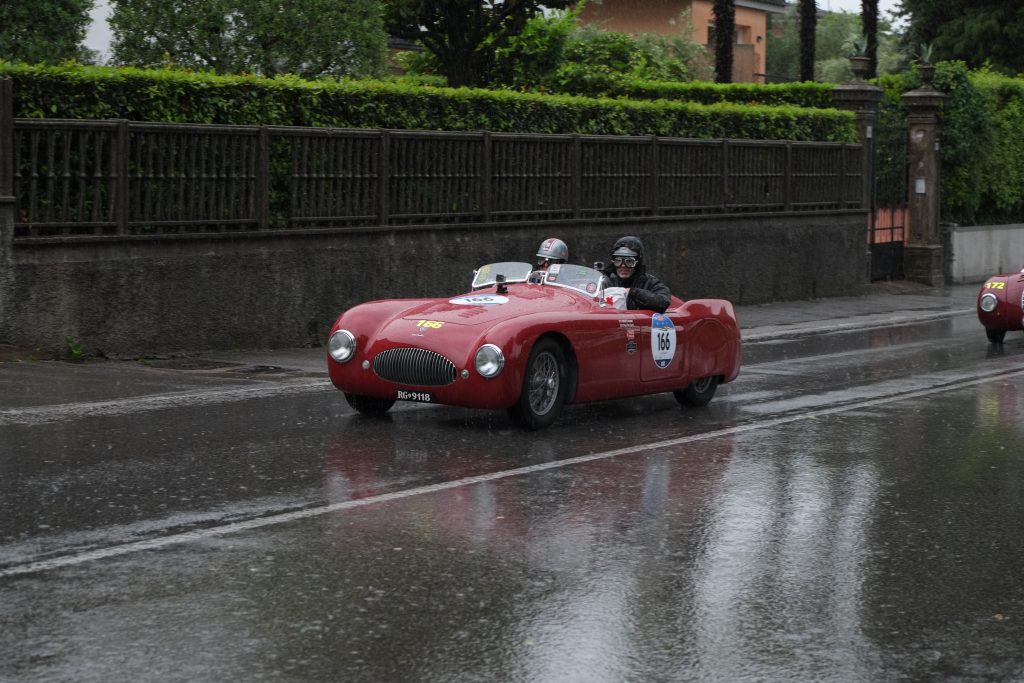

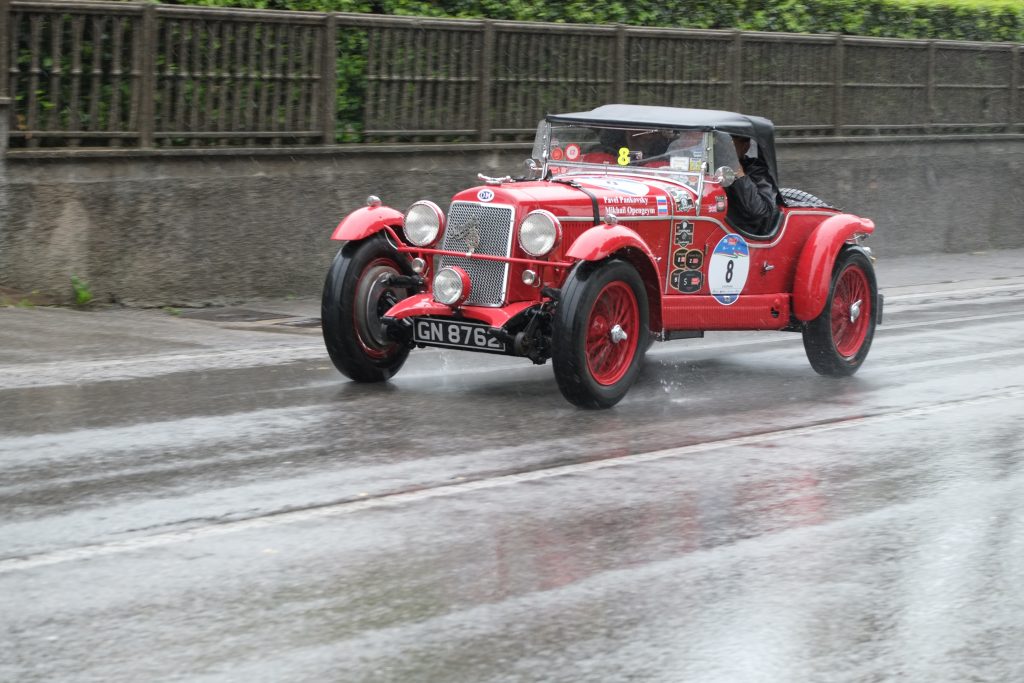
OM Superba – a Brescia built car which appears completely at home in the conditions
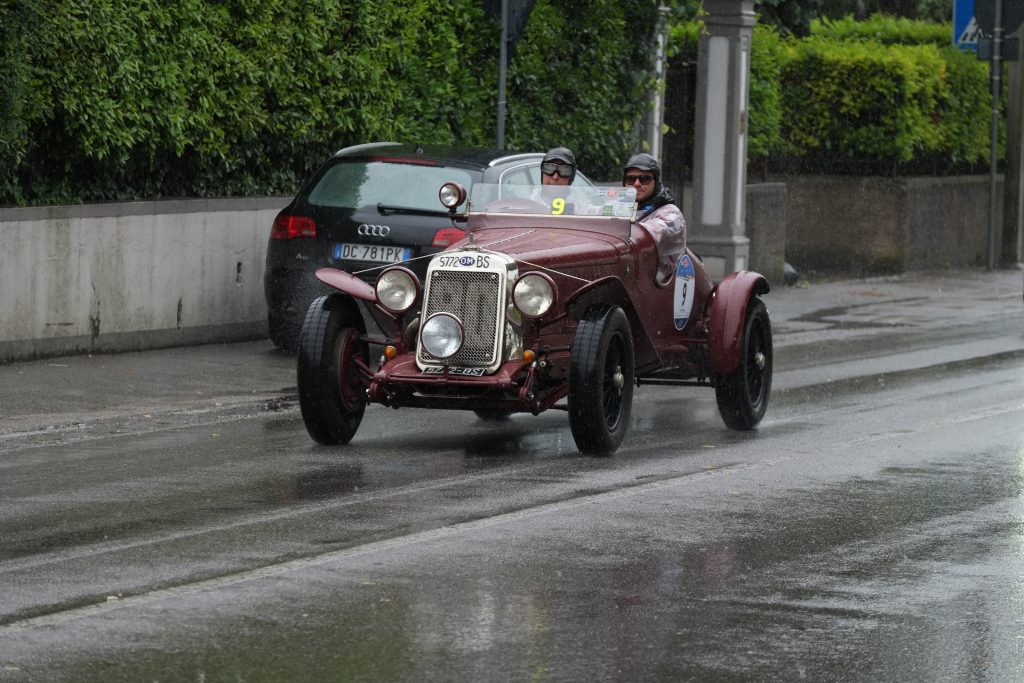
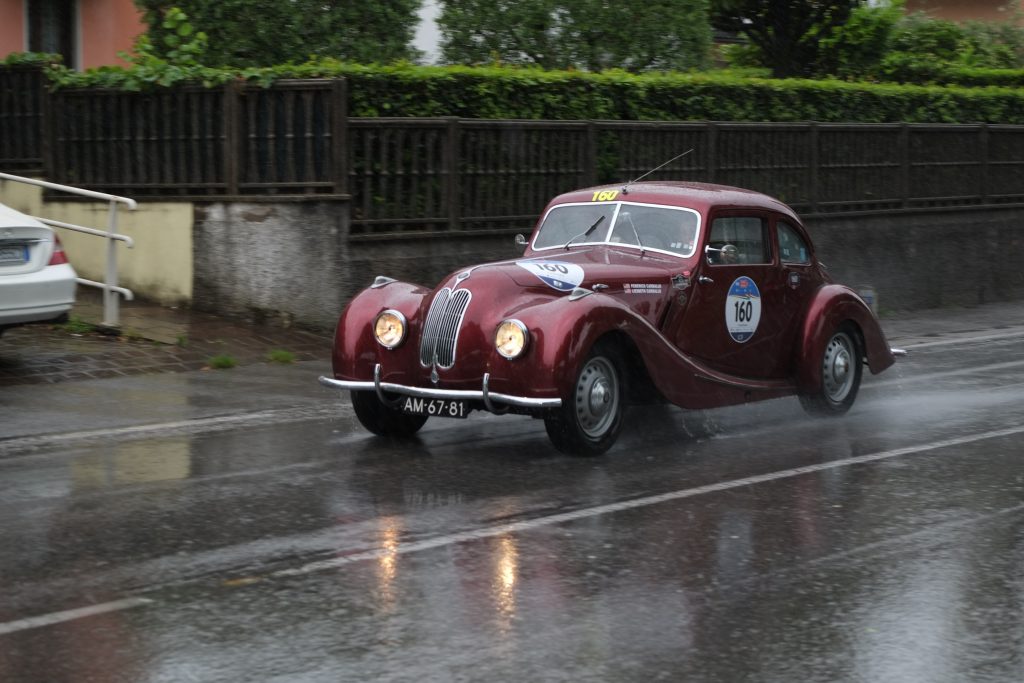
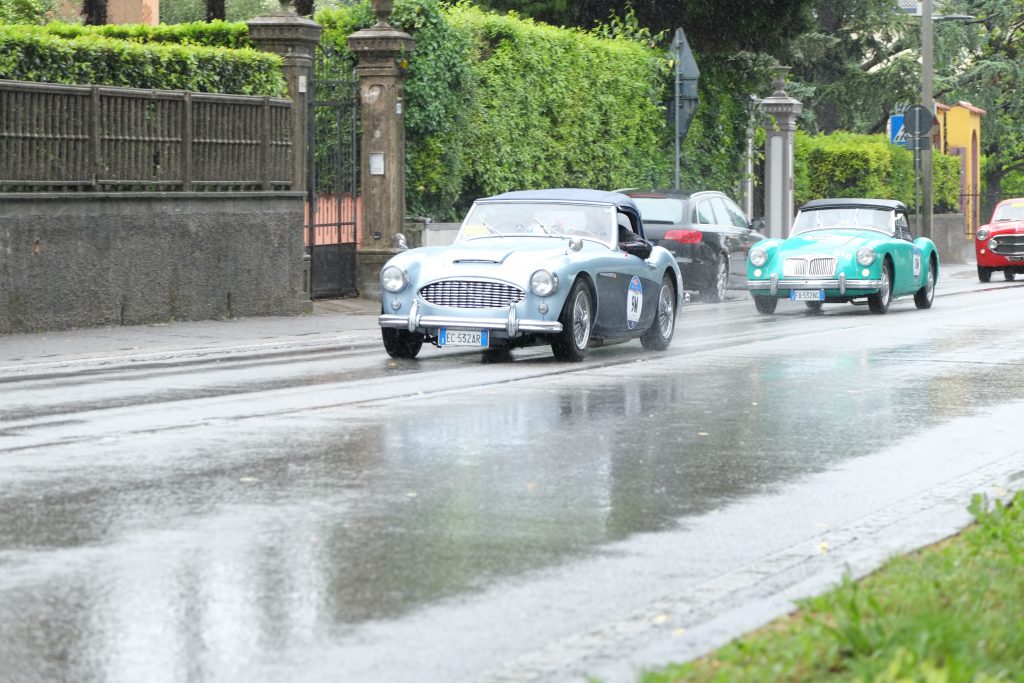
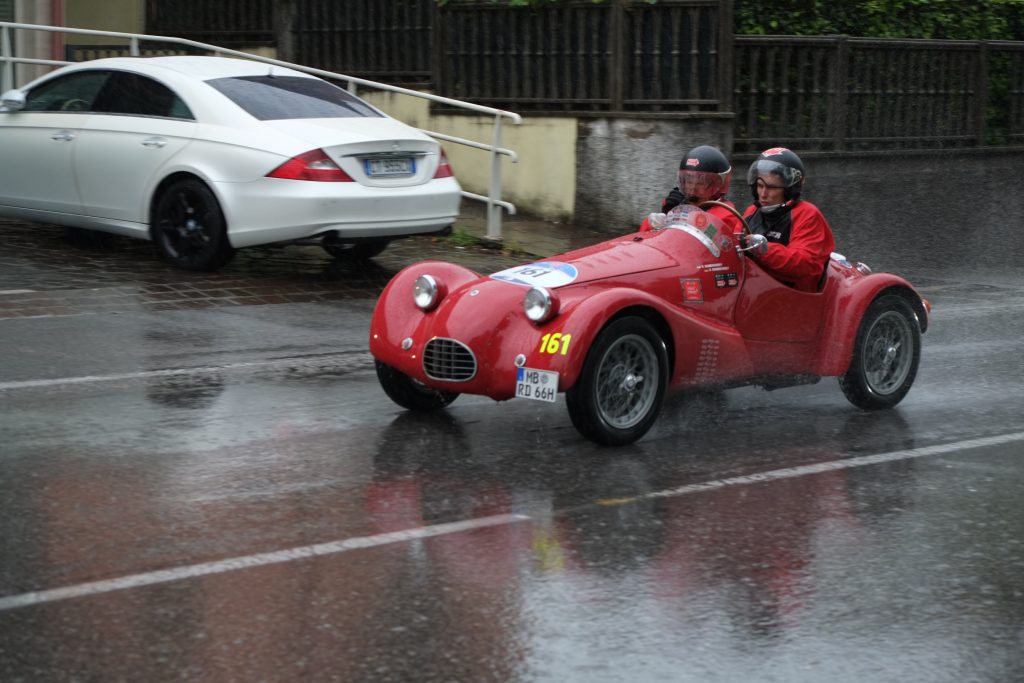
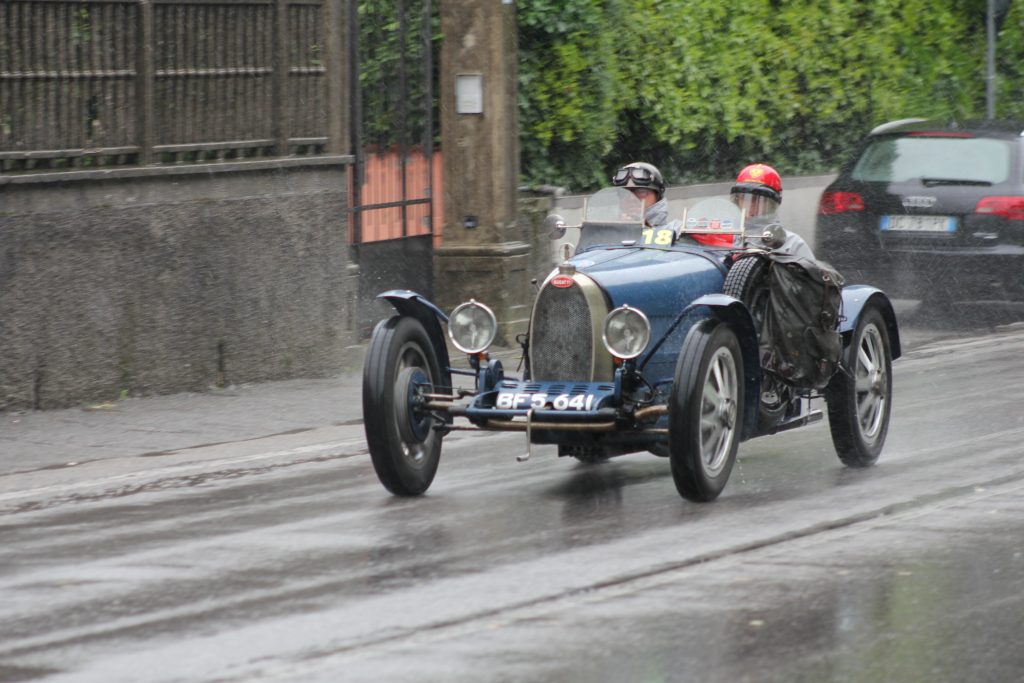


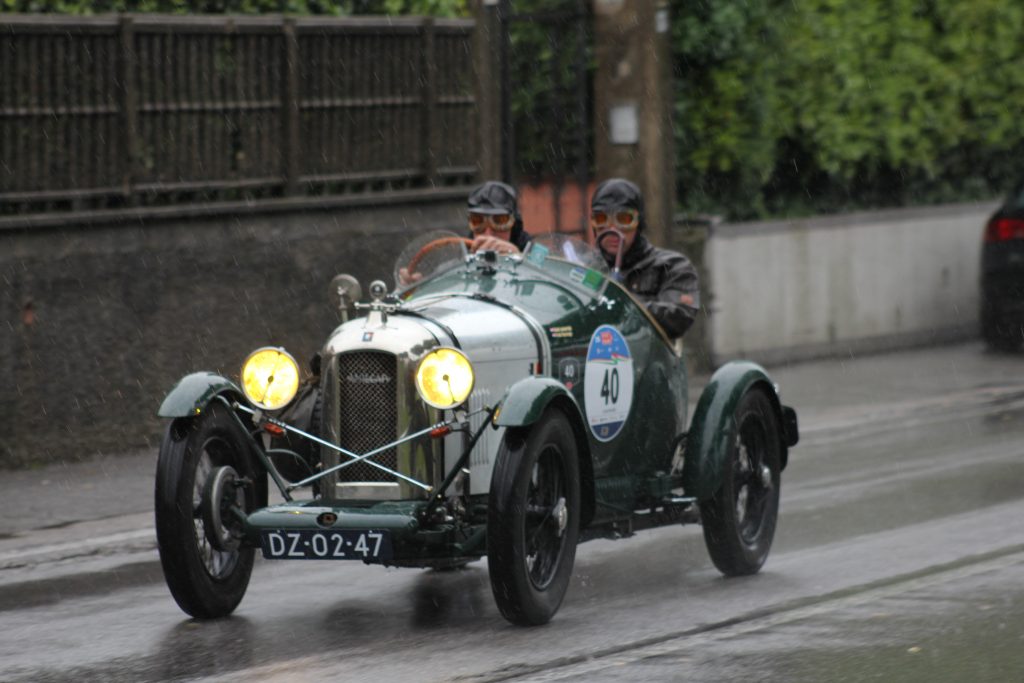
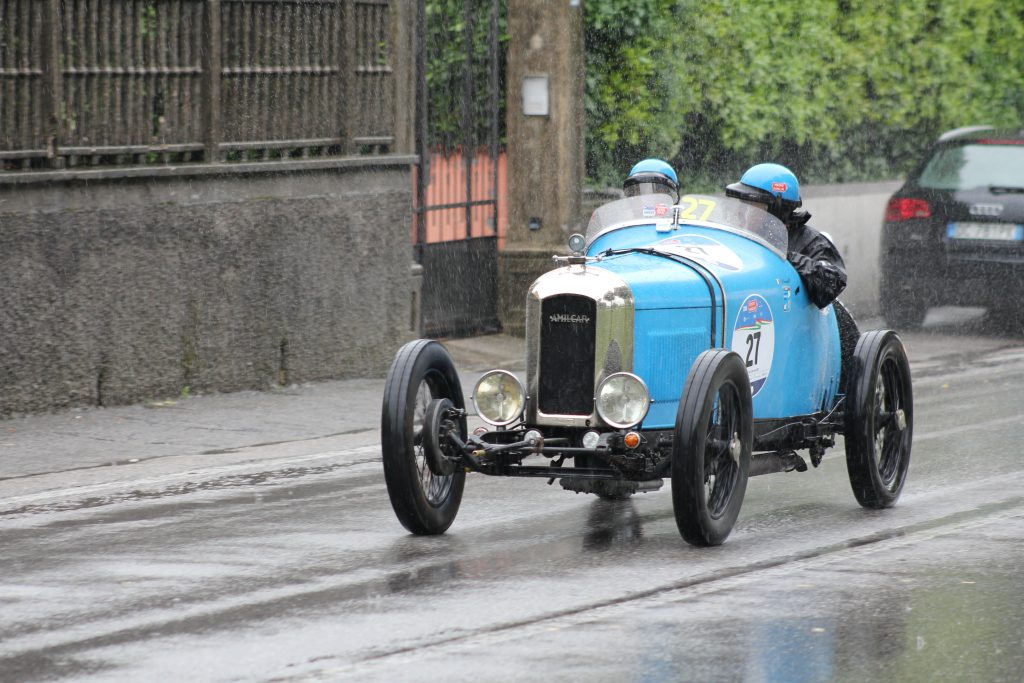
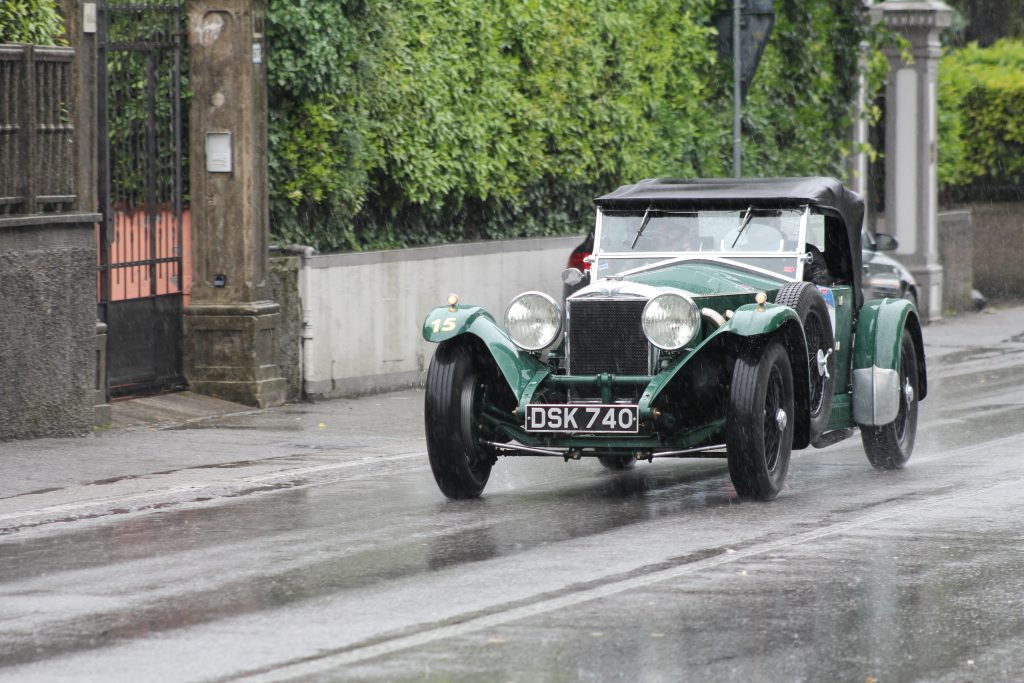
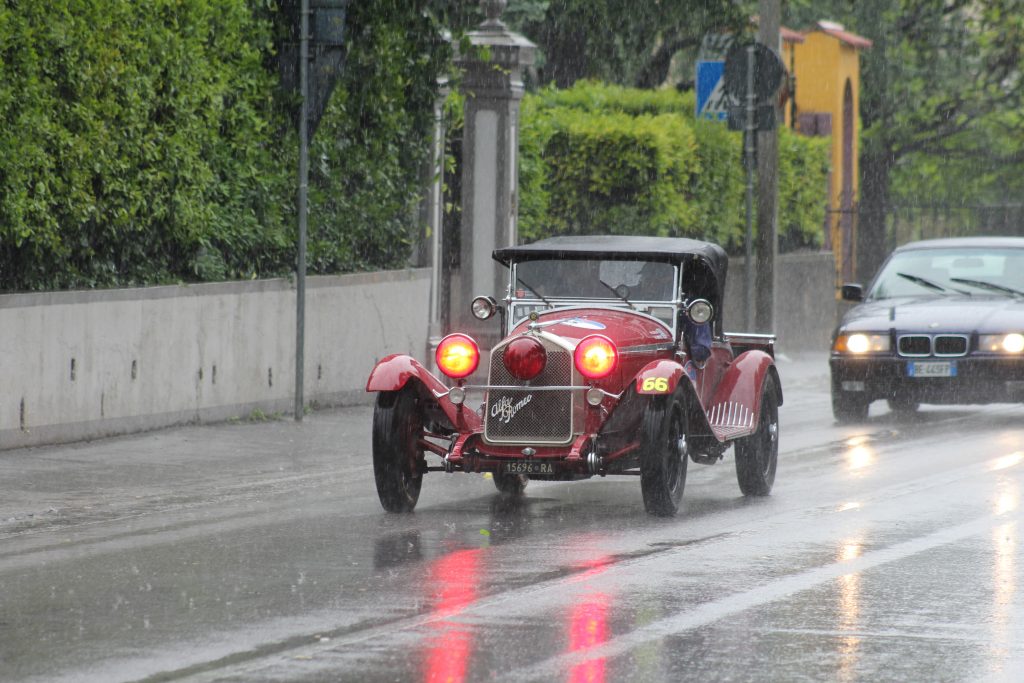
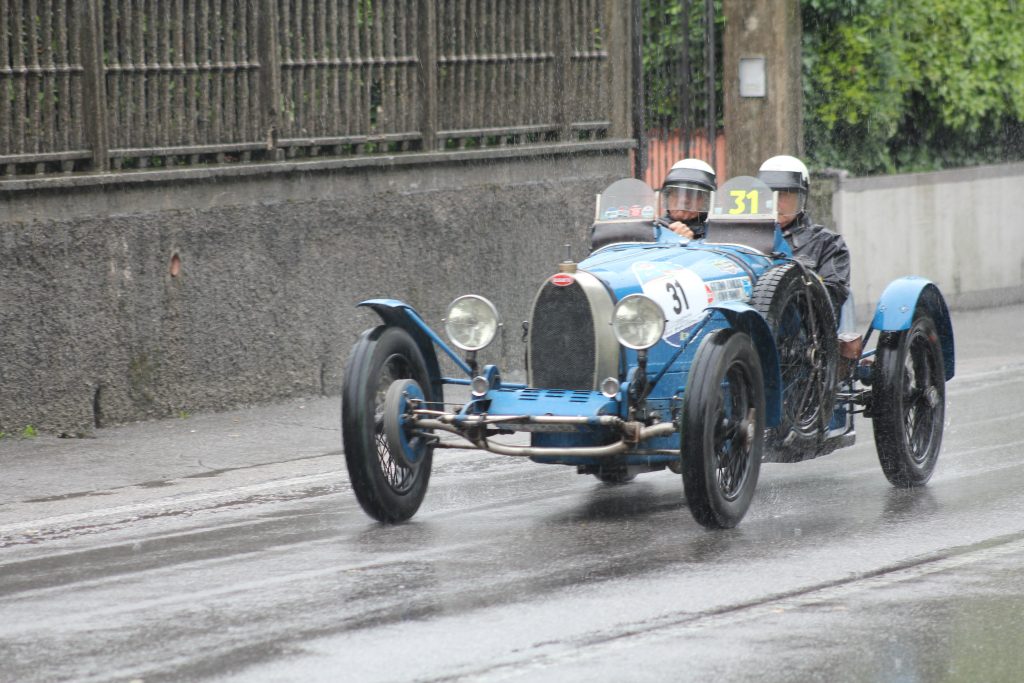
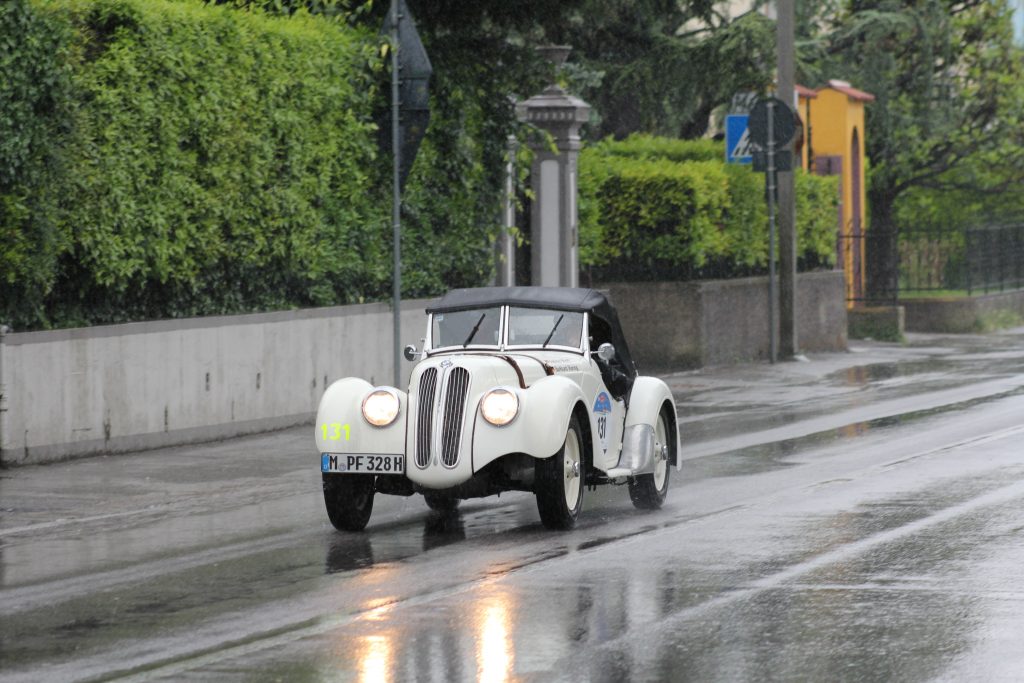


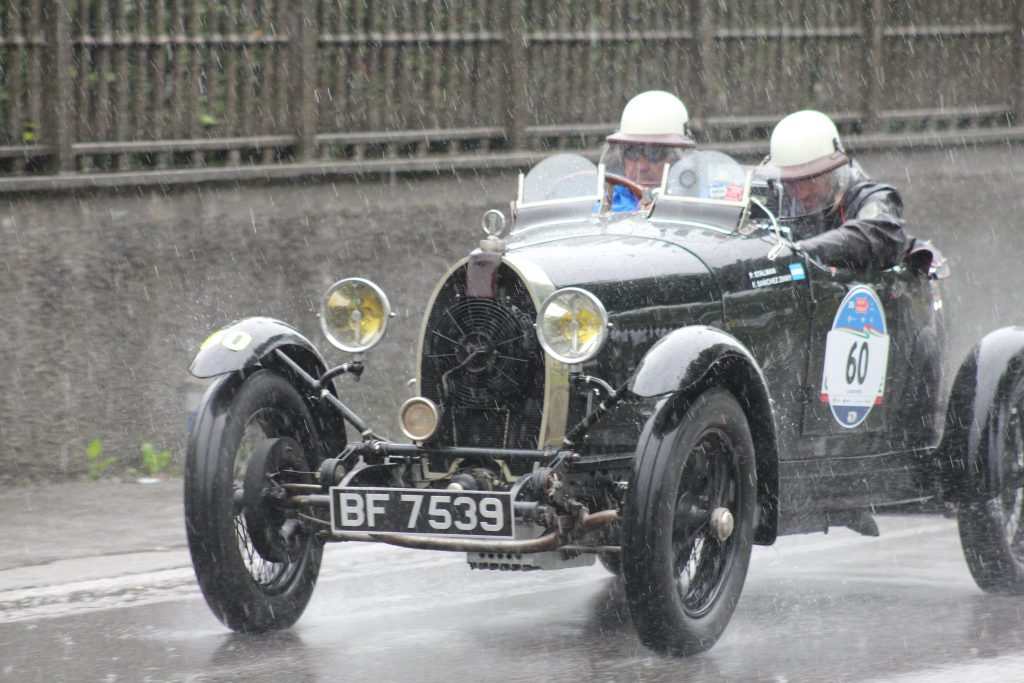


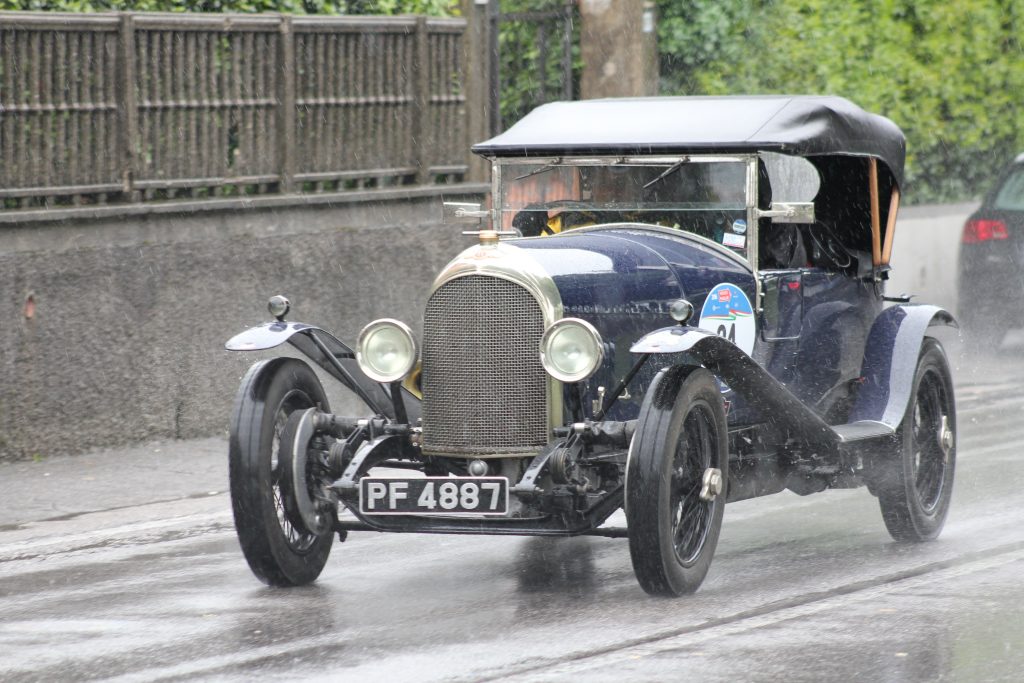
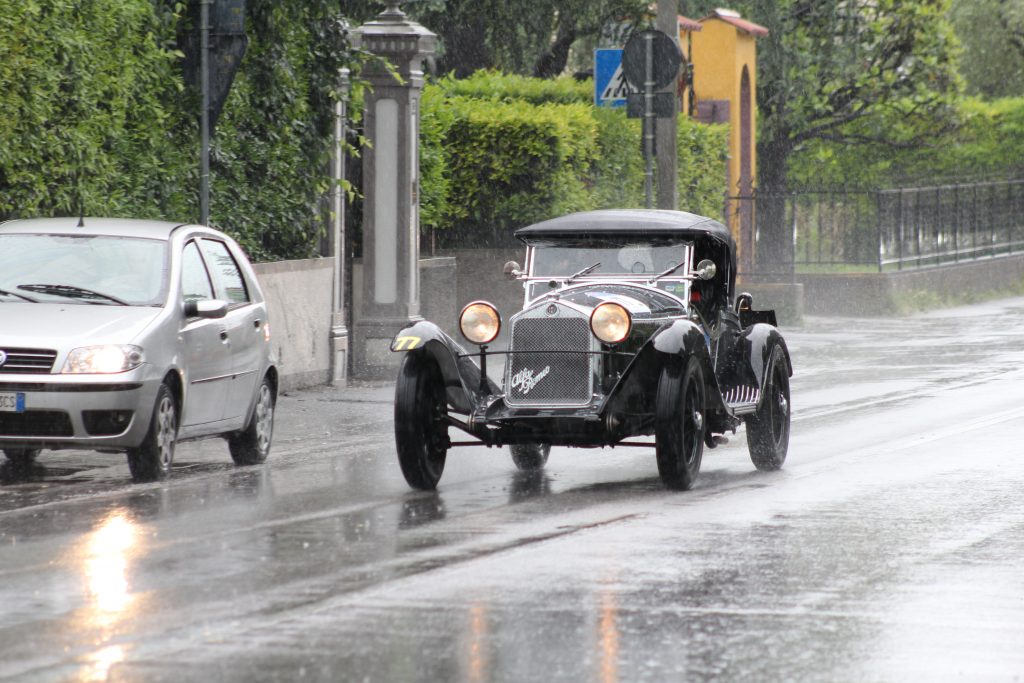
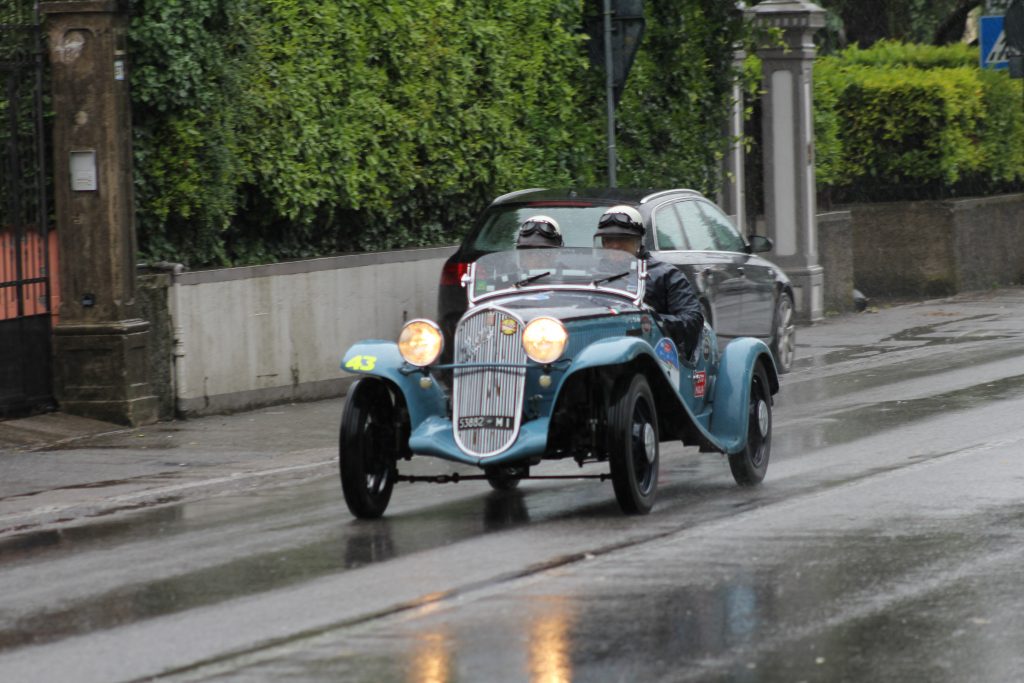
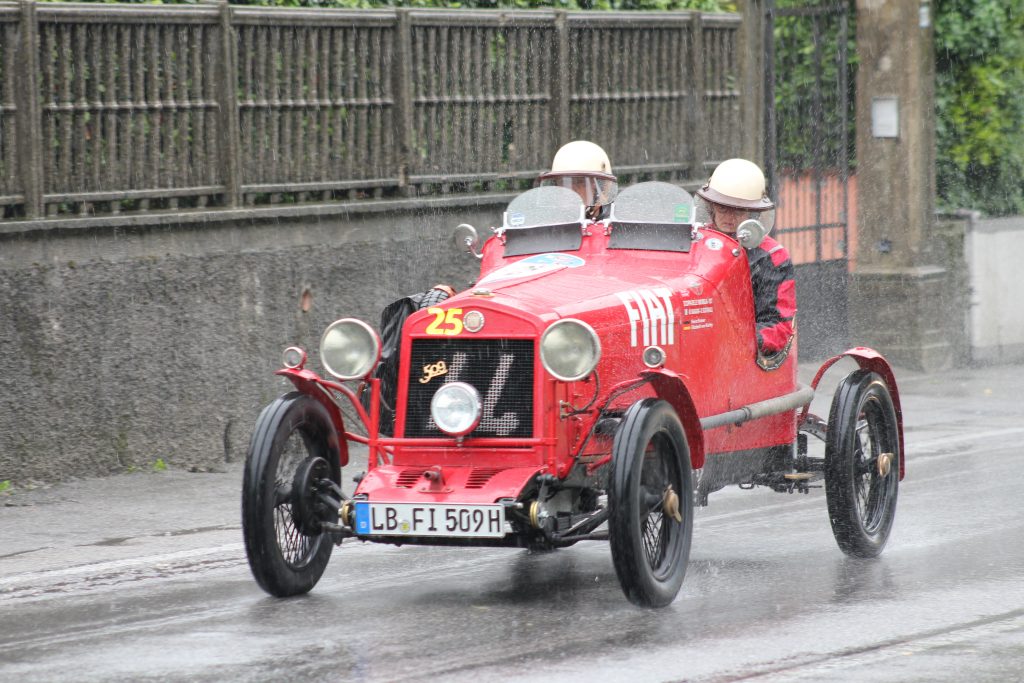

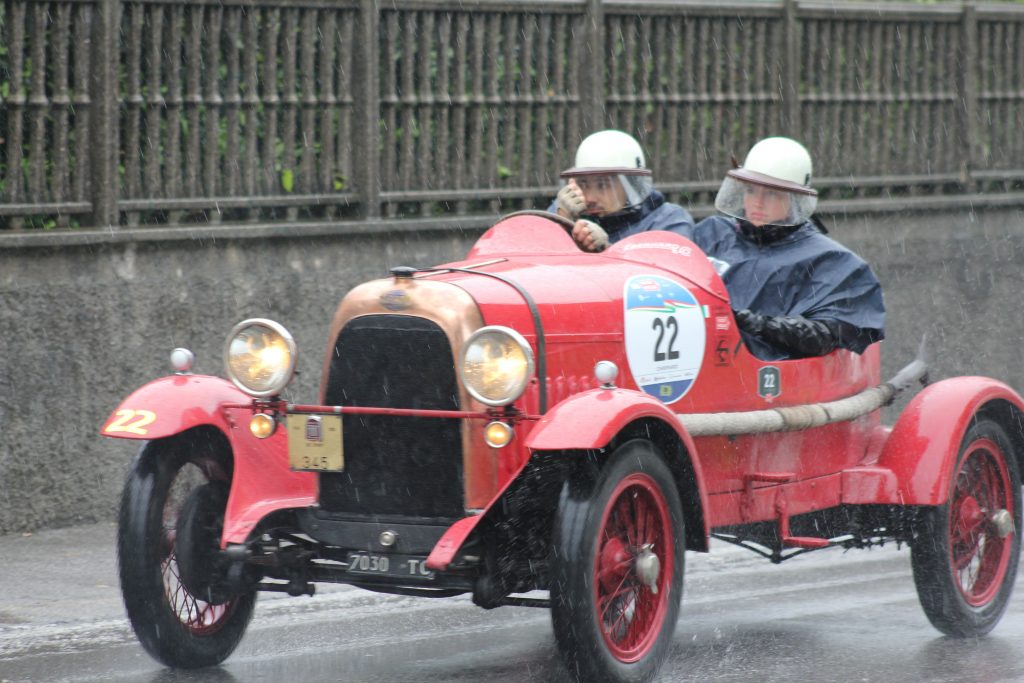
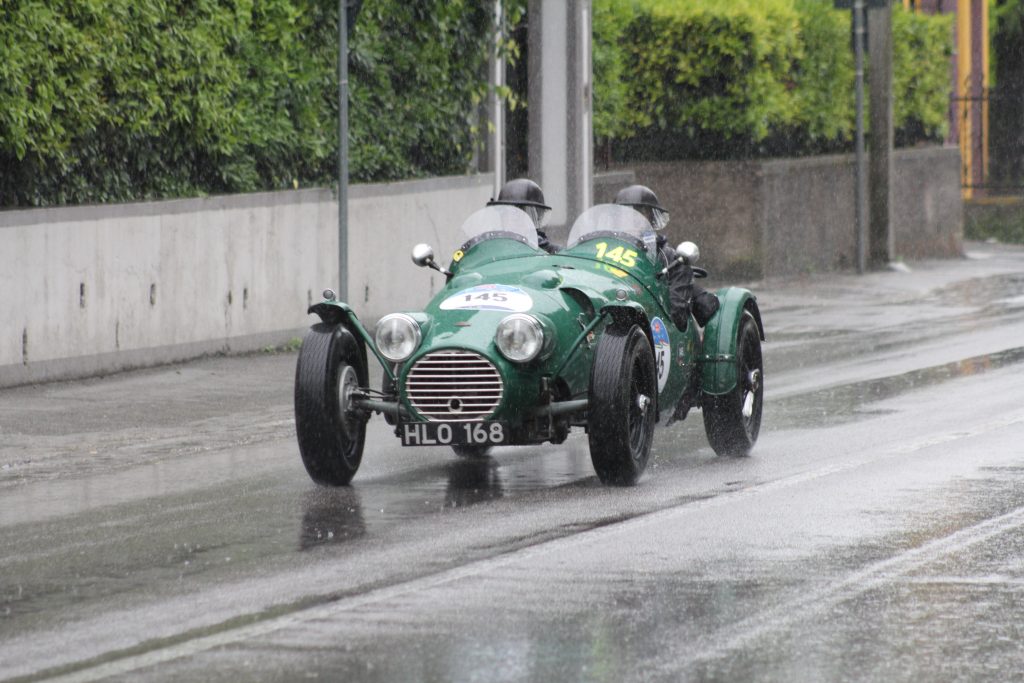
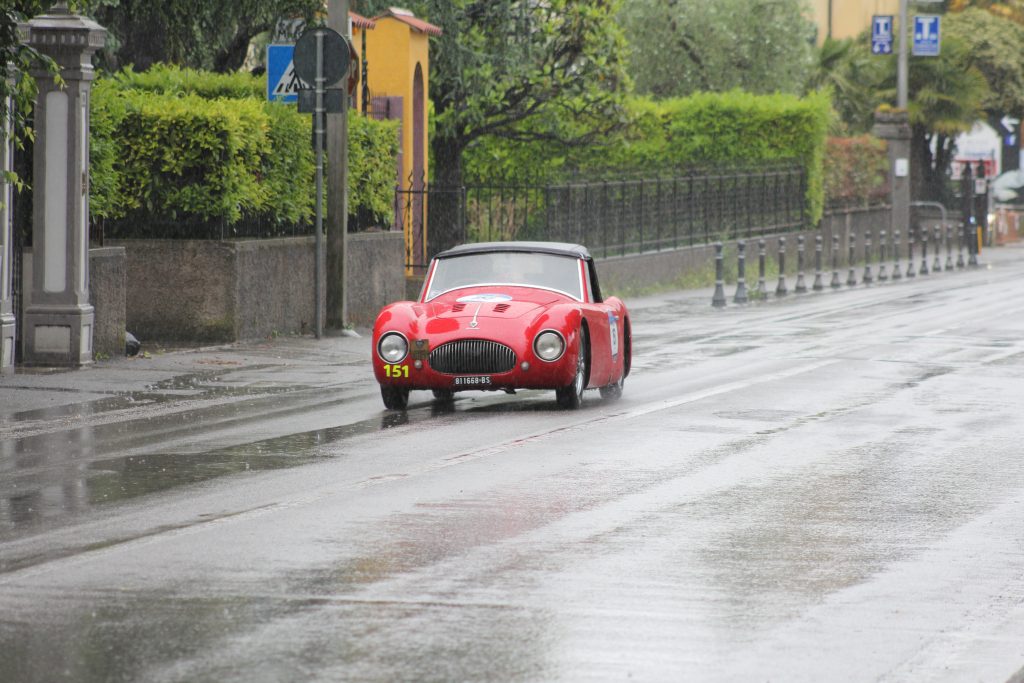
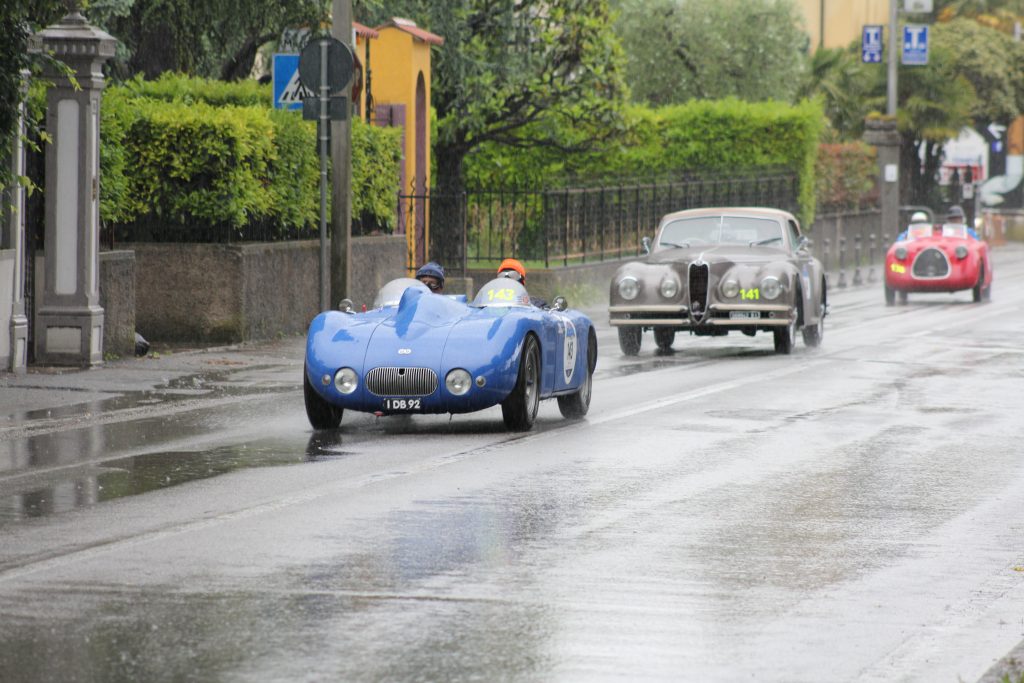
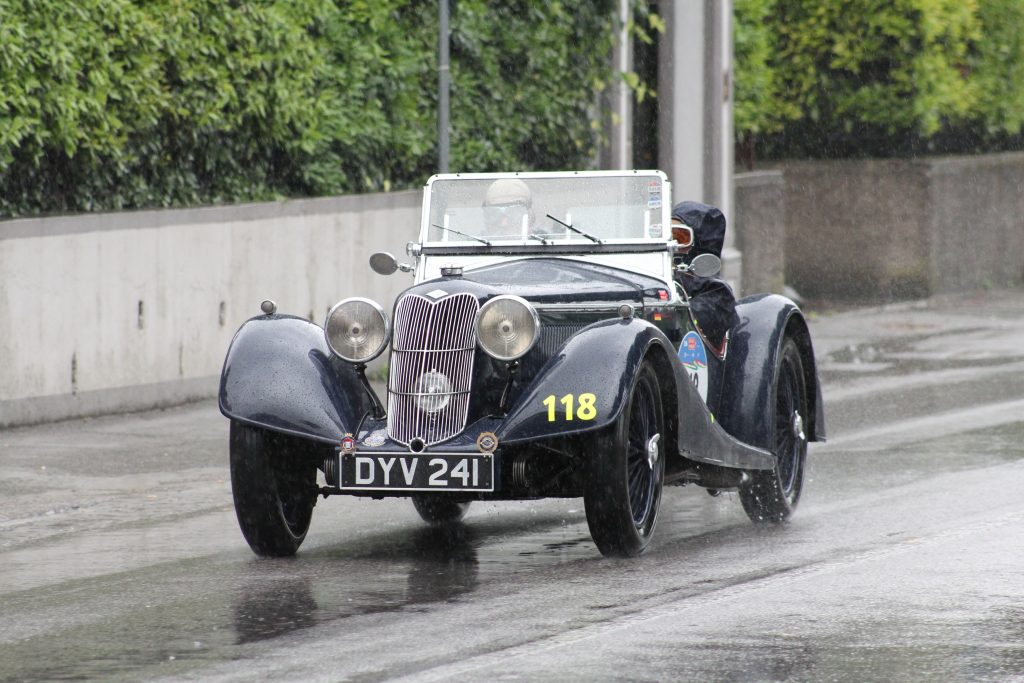
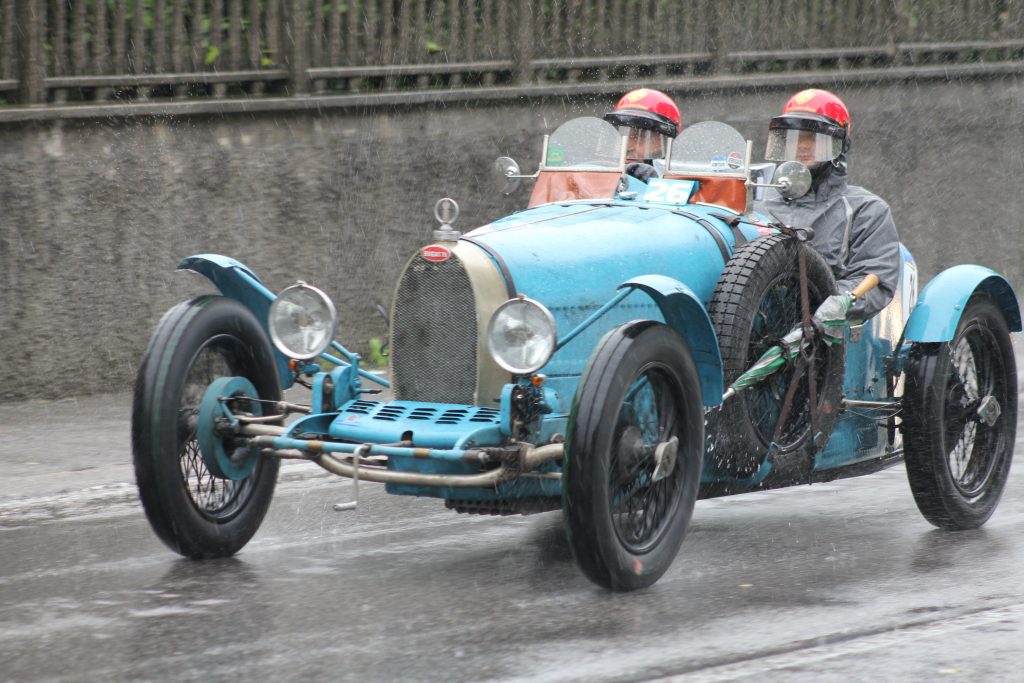


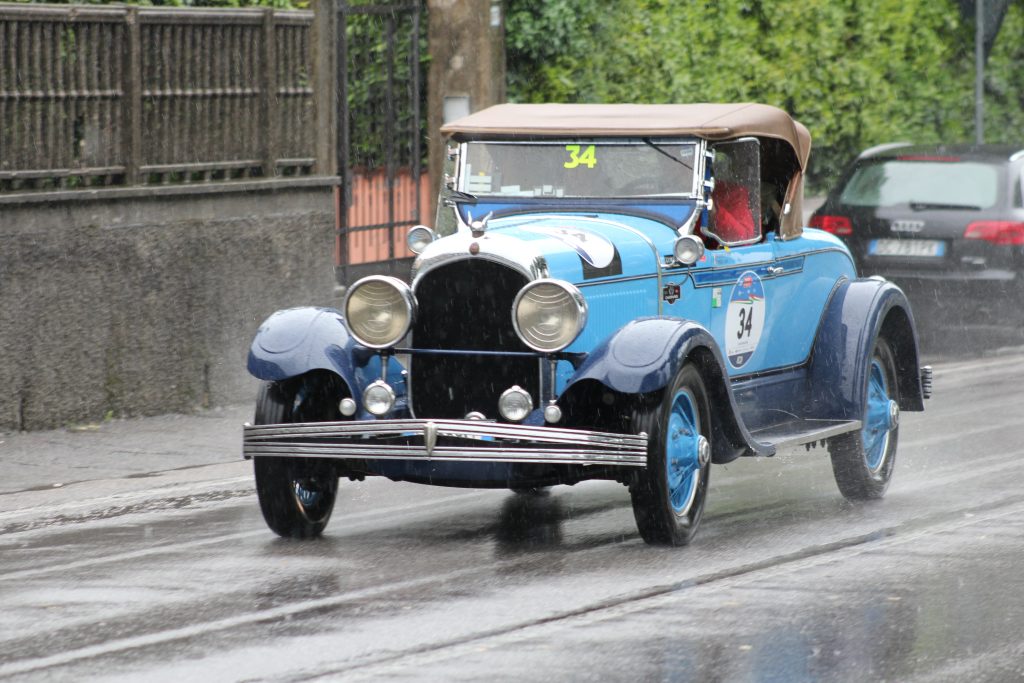


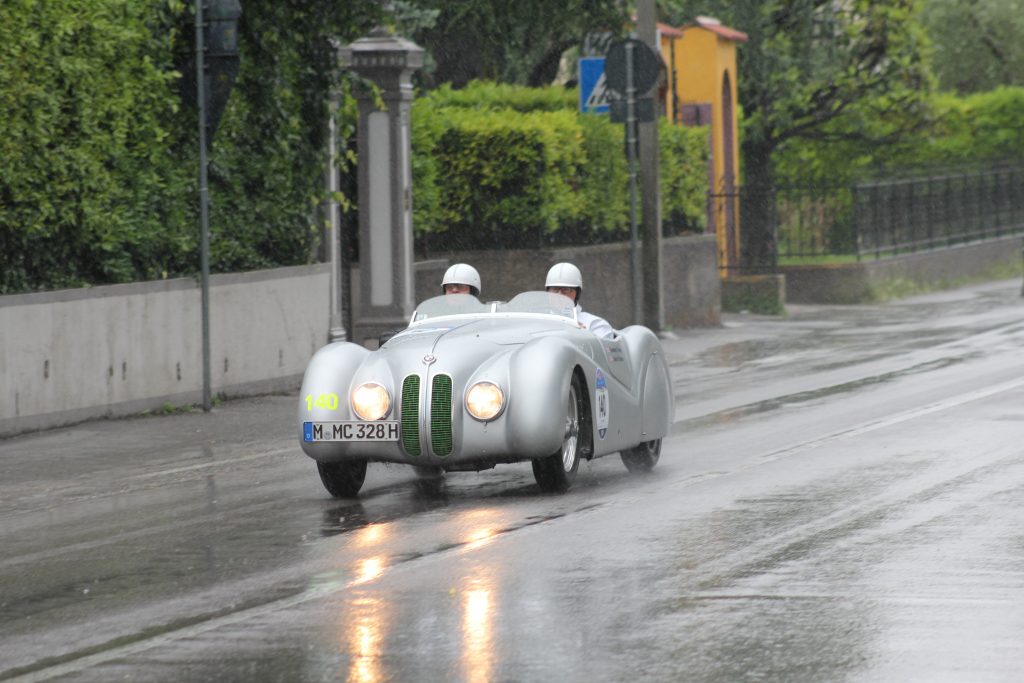
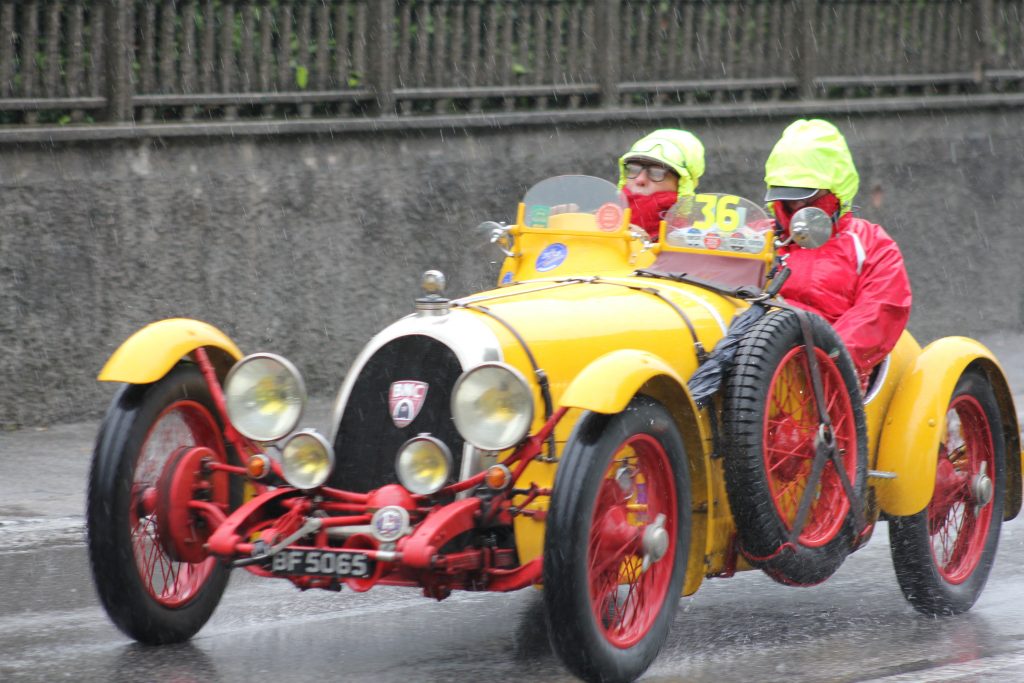
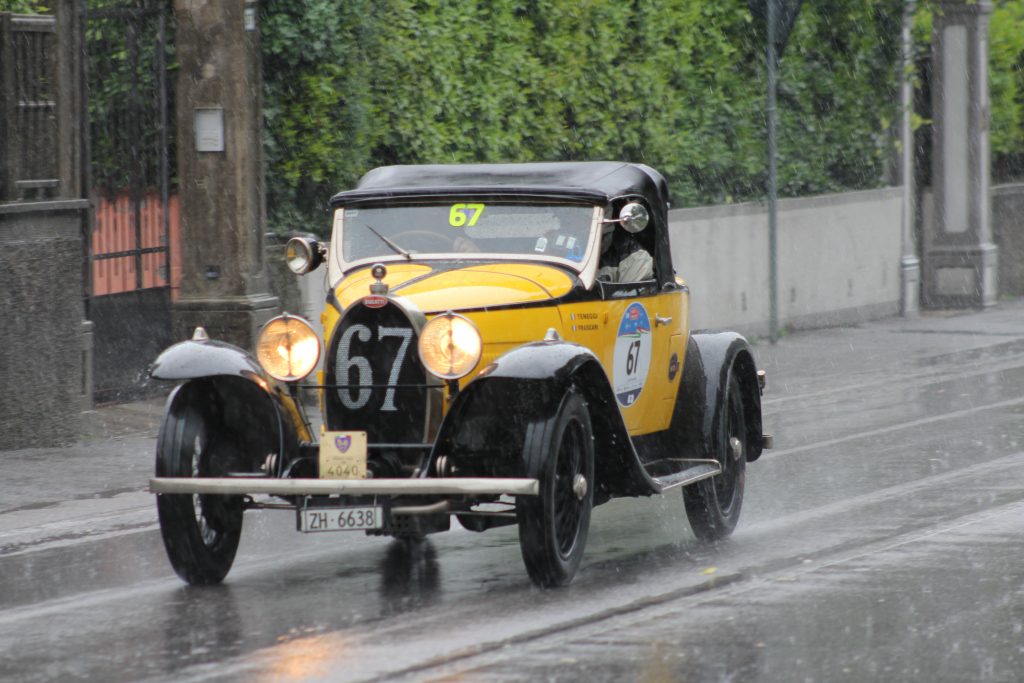


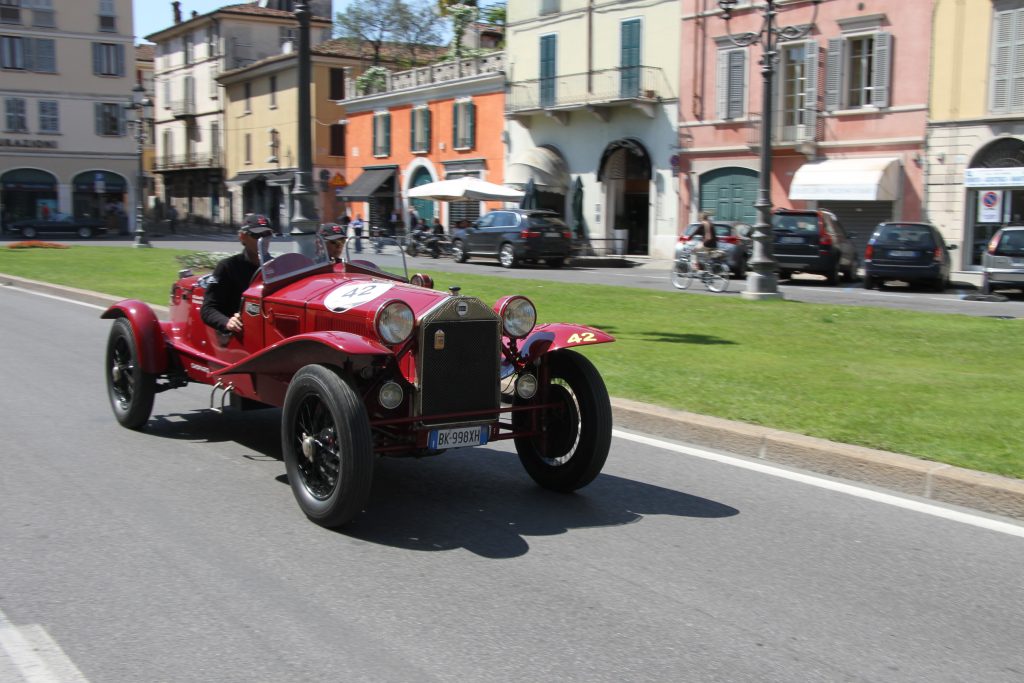
More frequently the sun shines
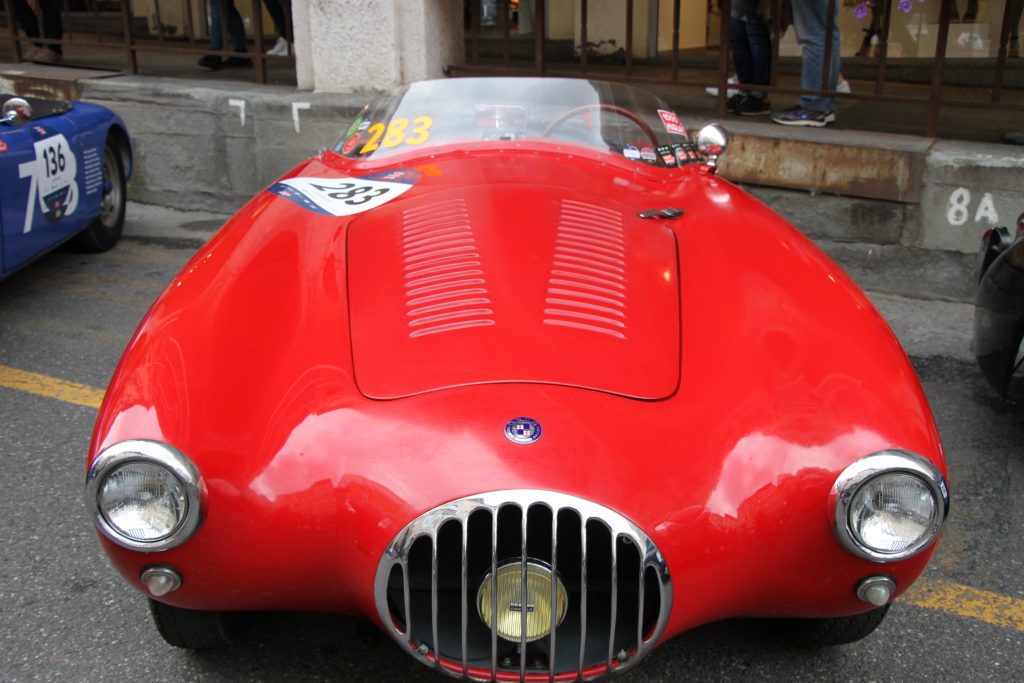




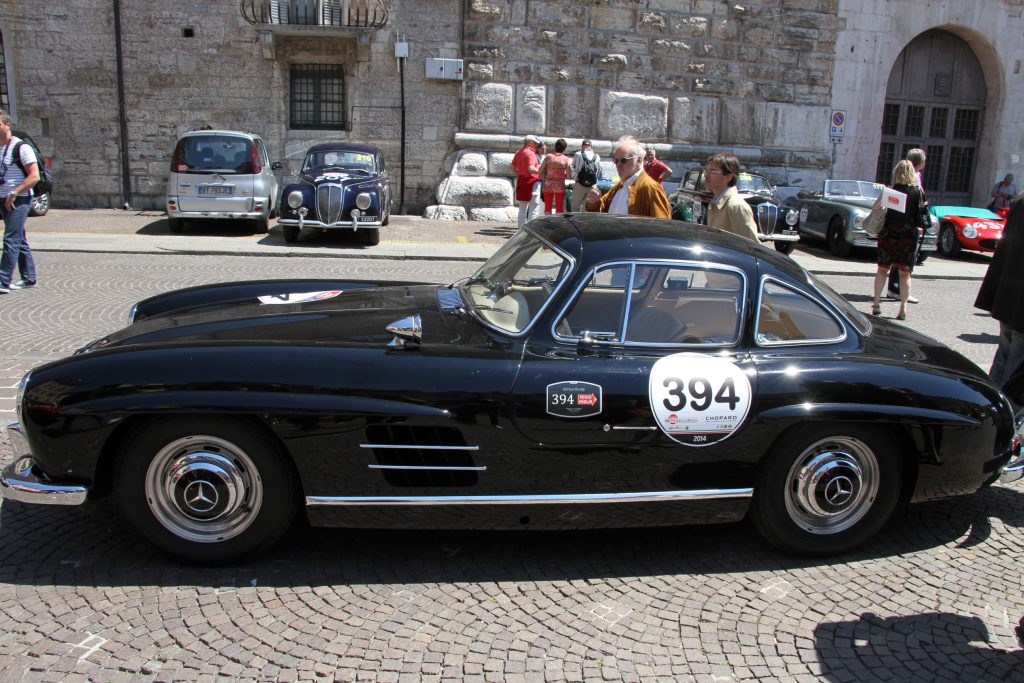


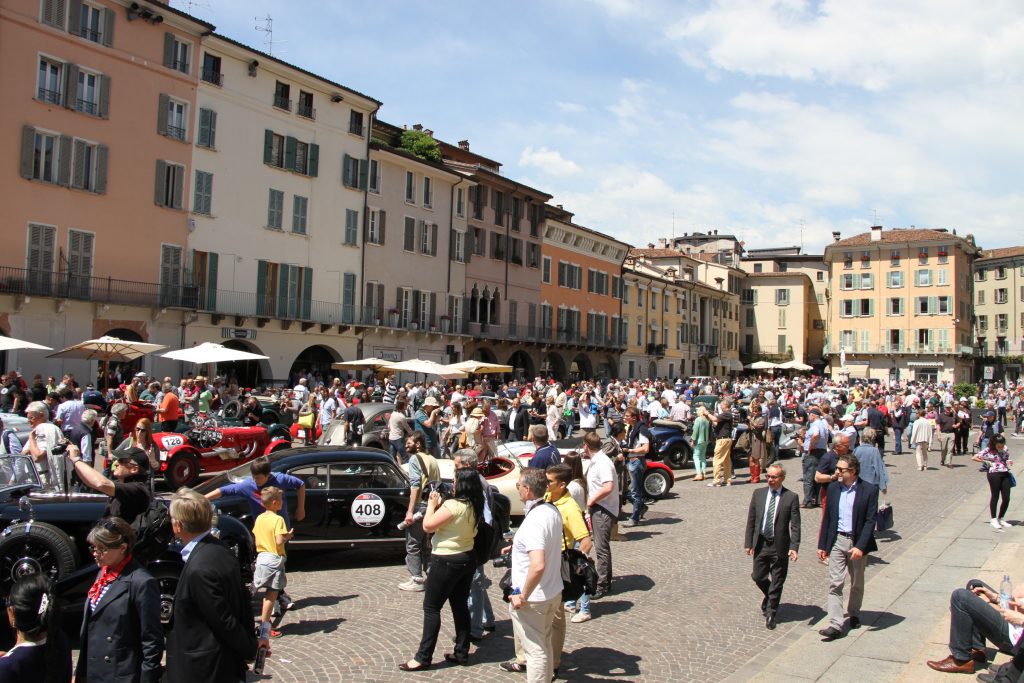
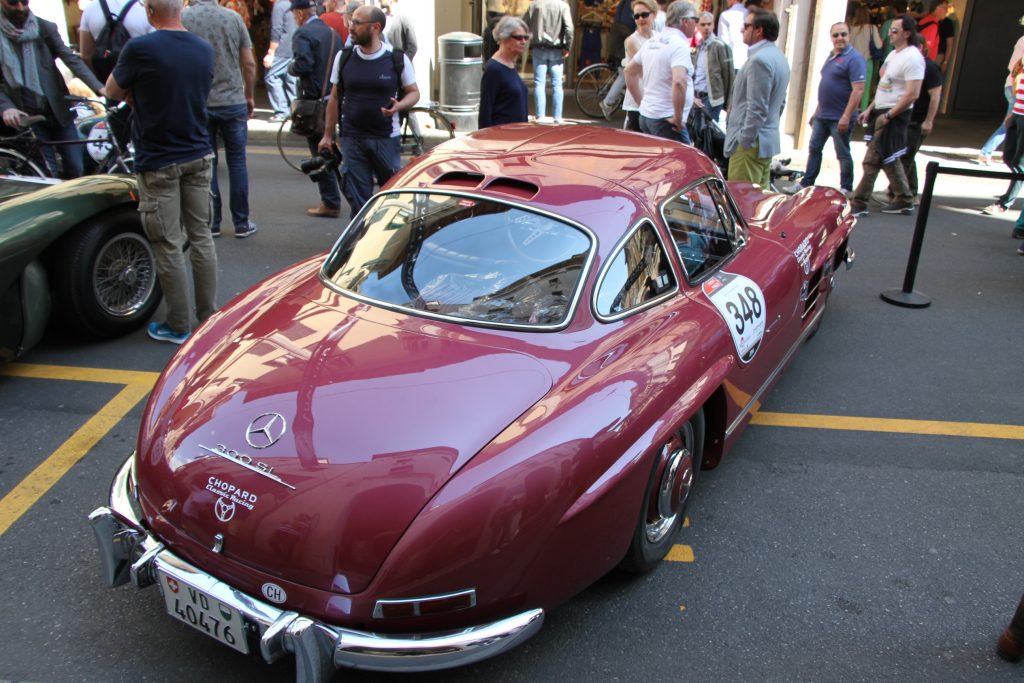
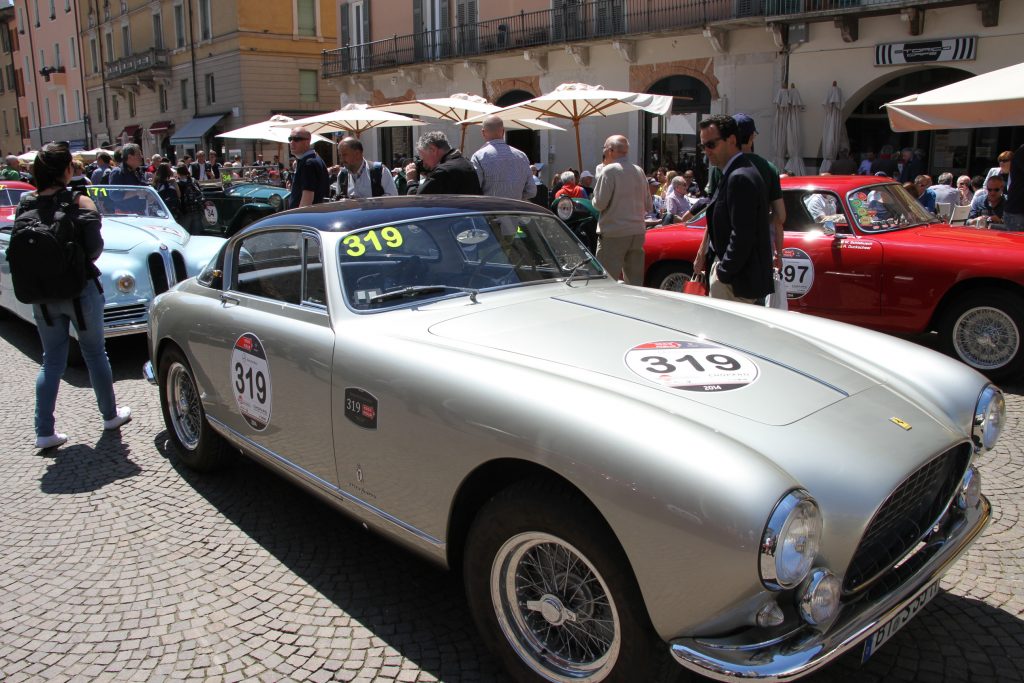
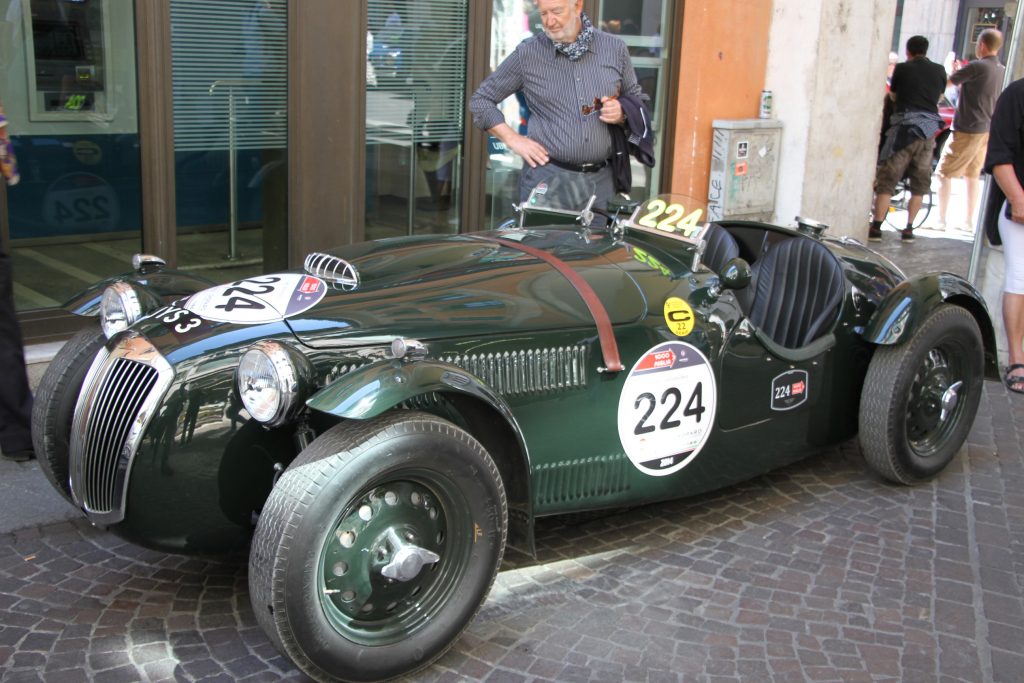
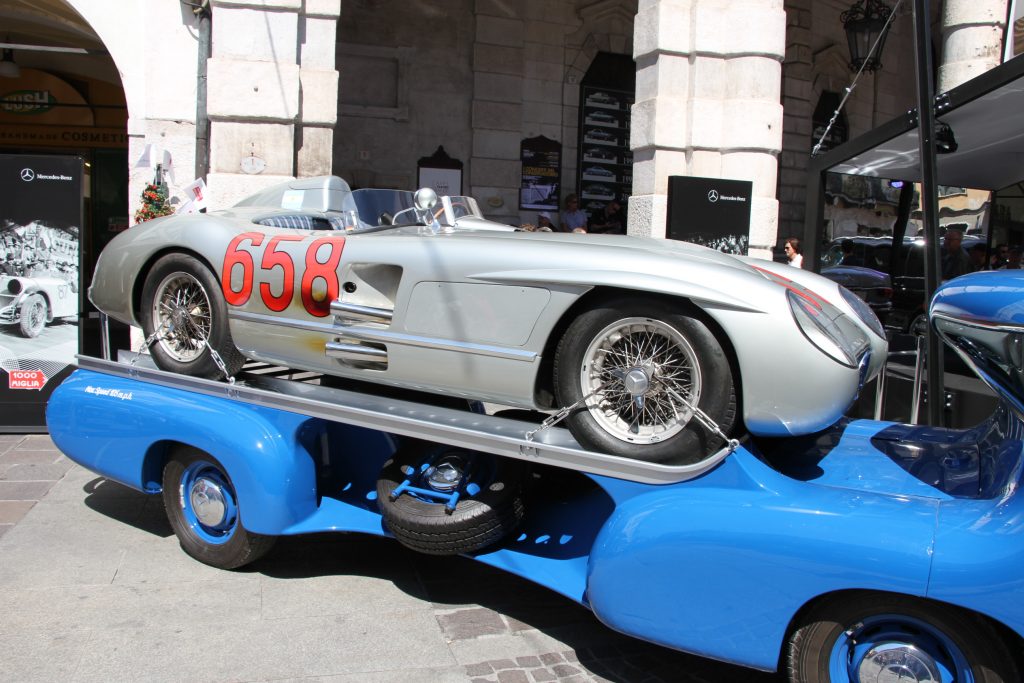


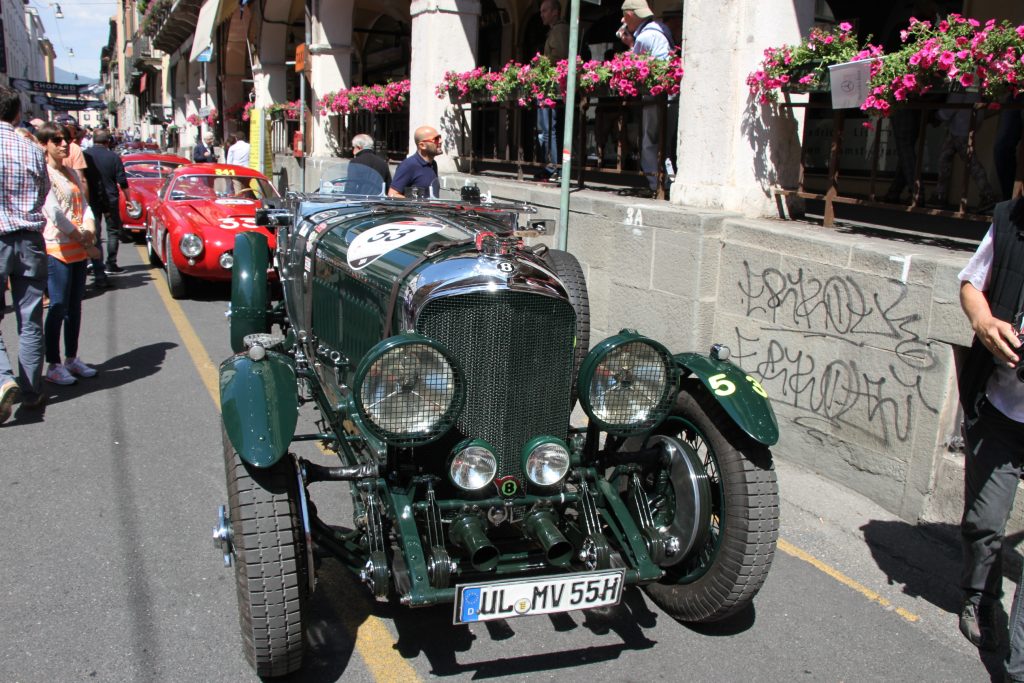
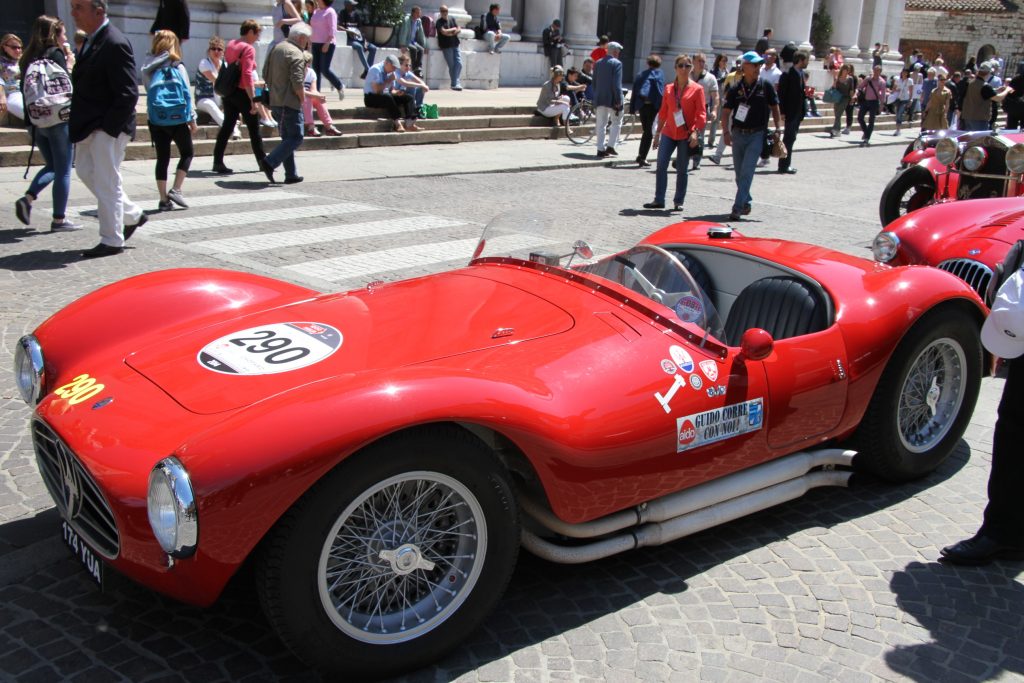
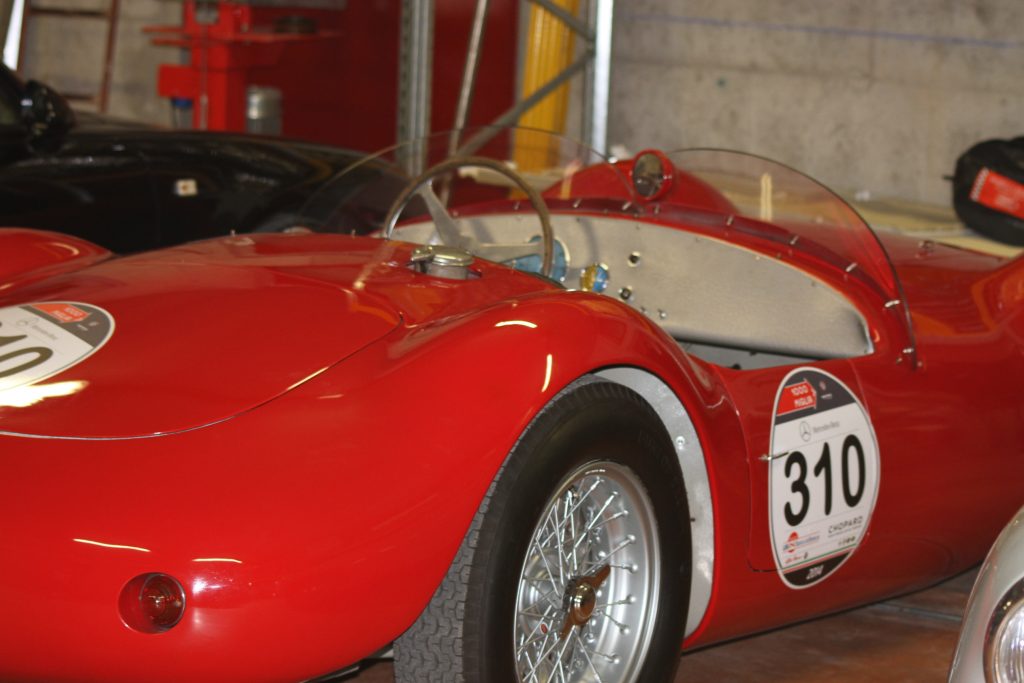

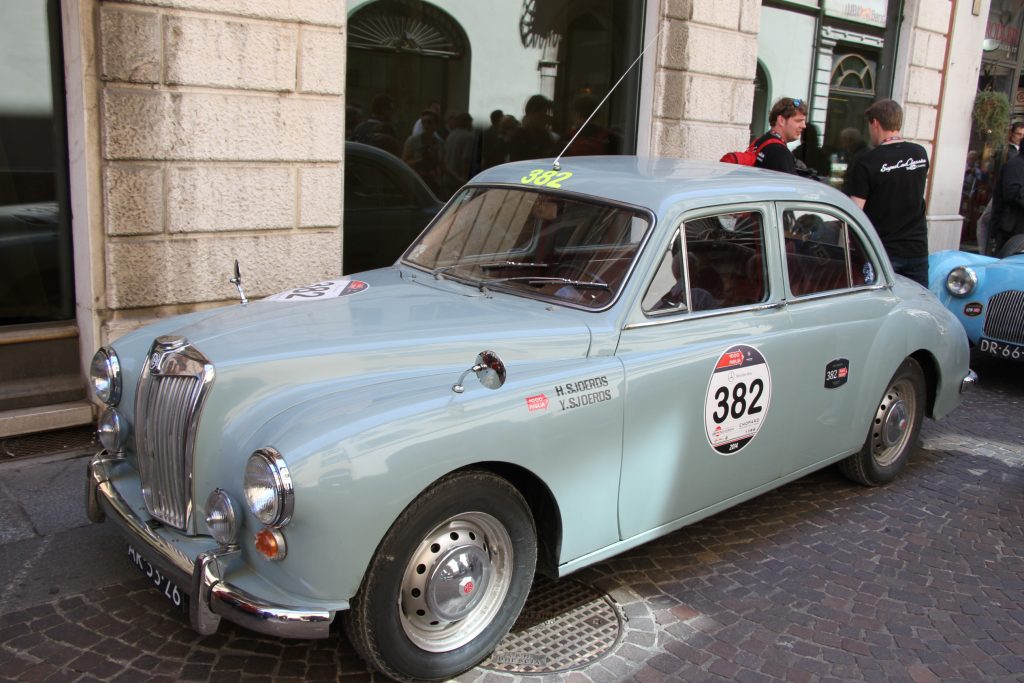
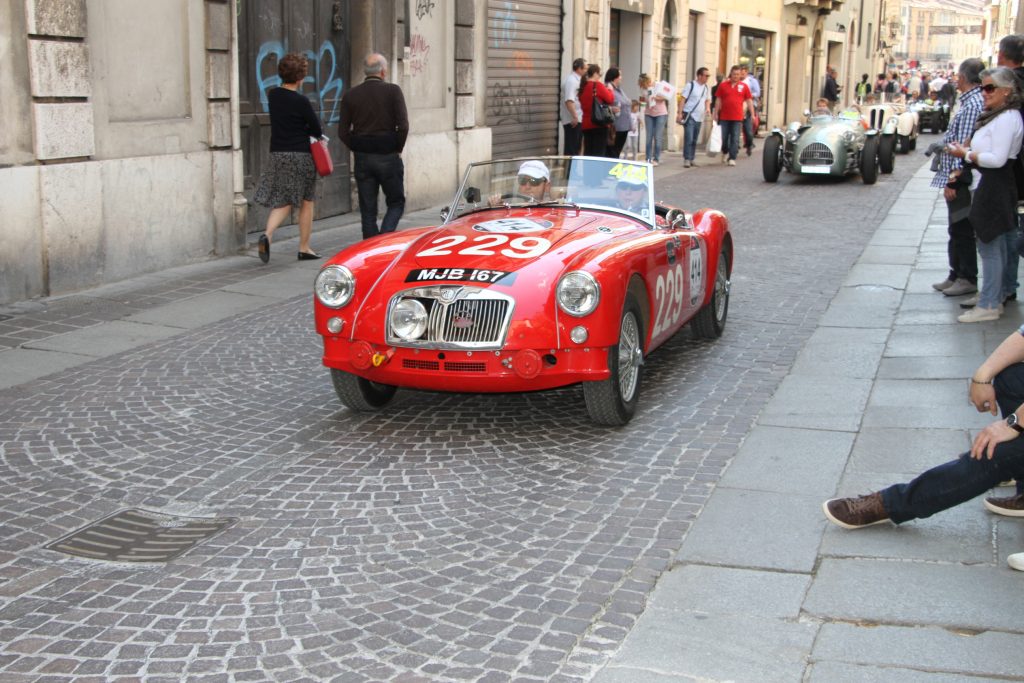
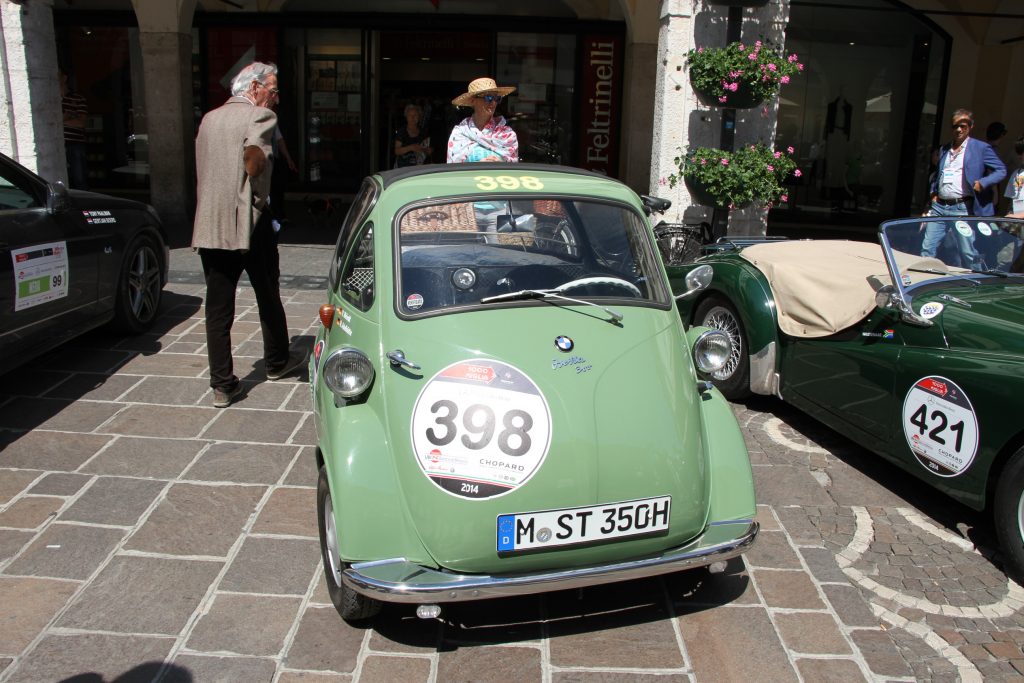
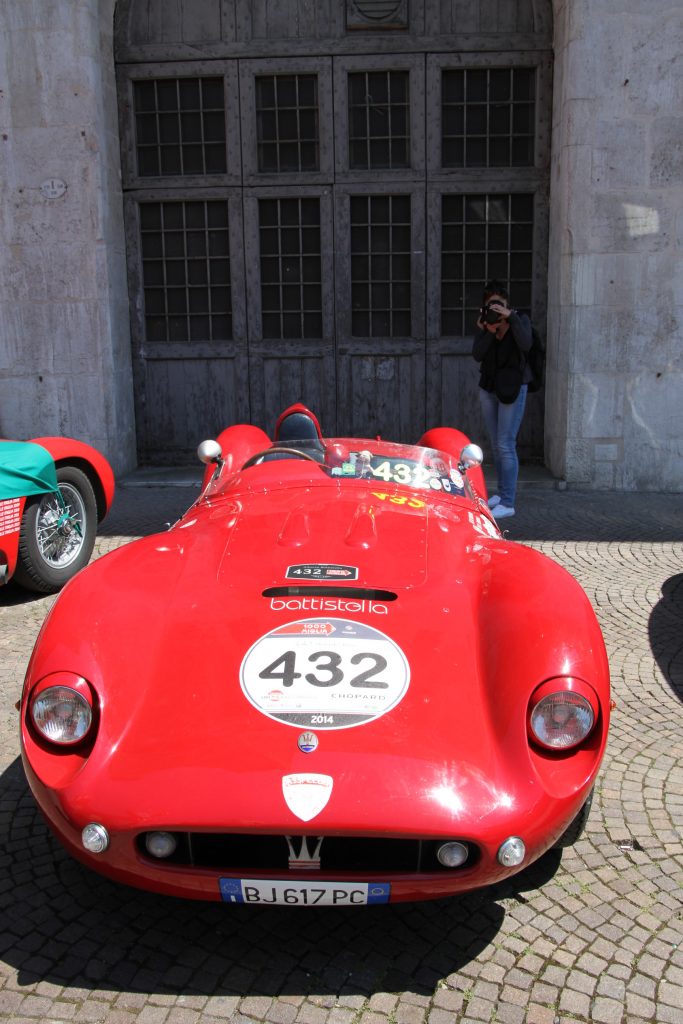
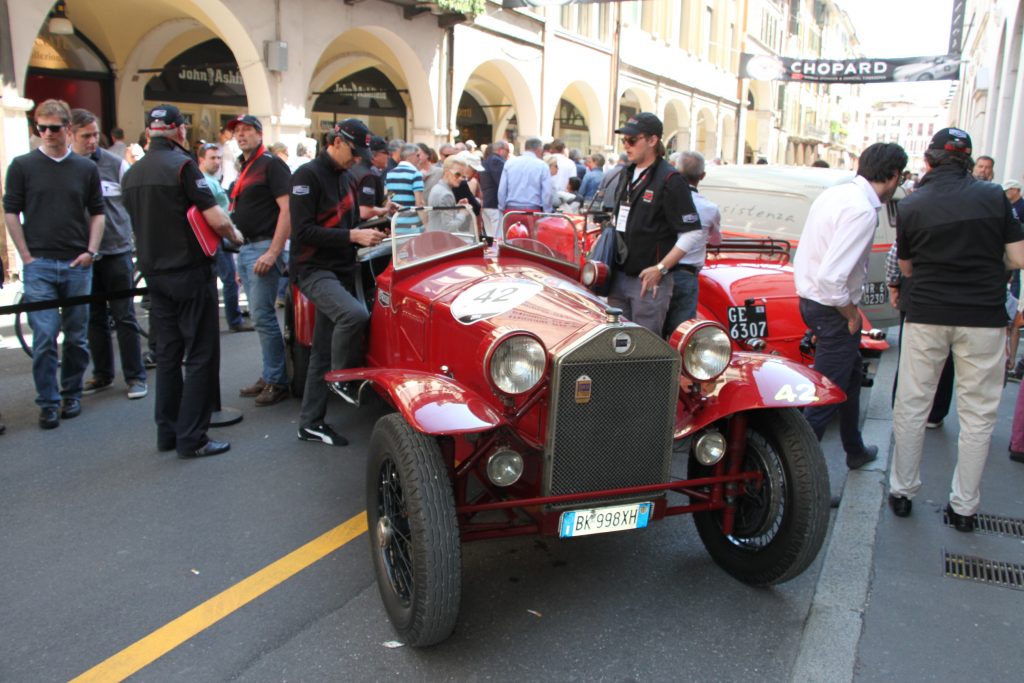

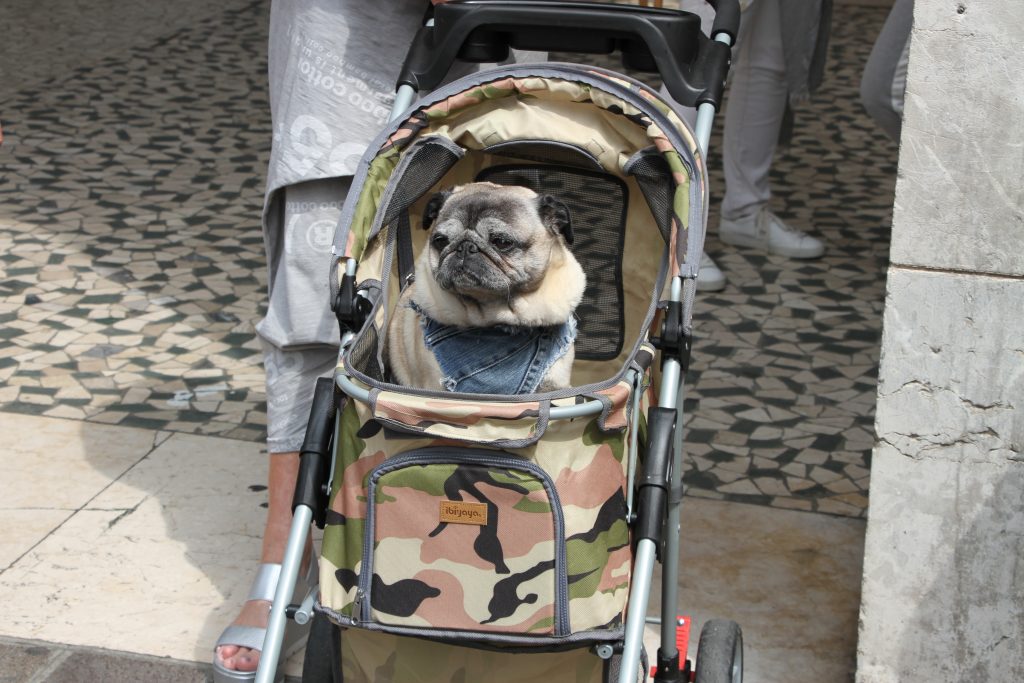
Pug ! 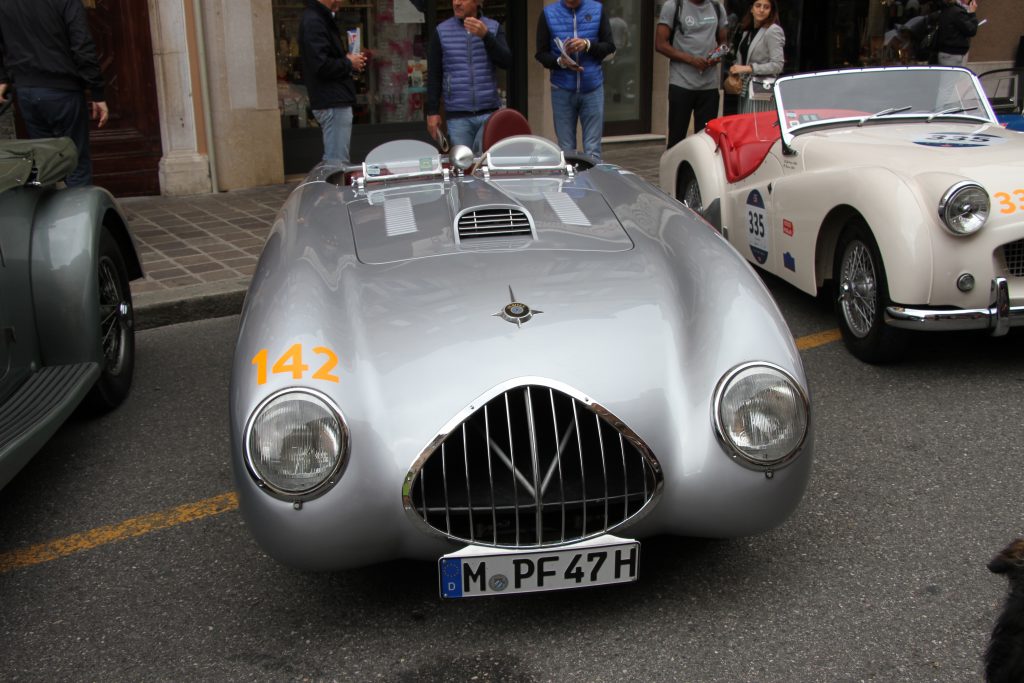
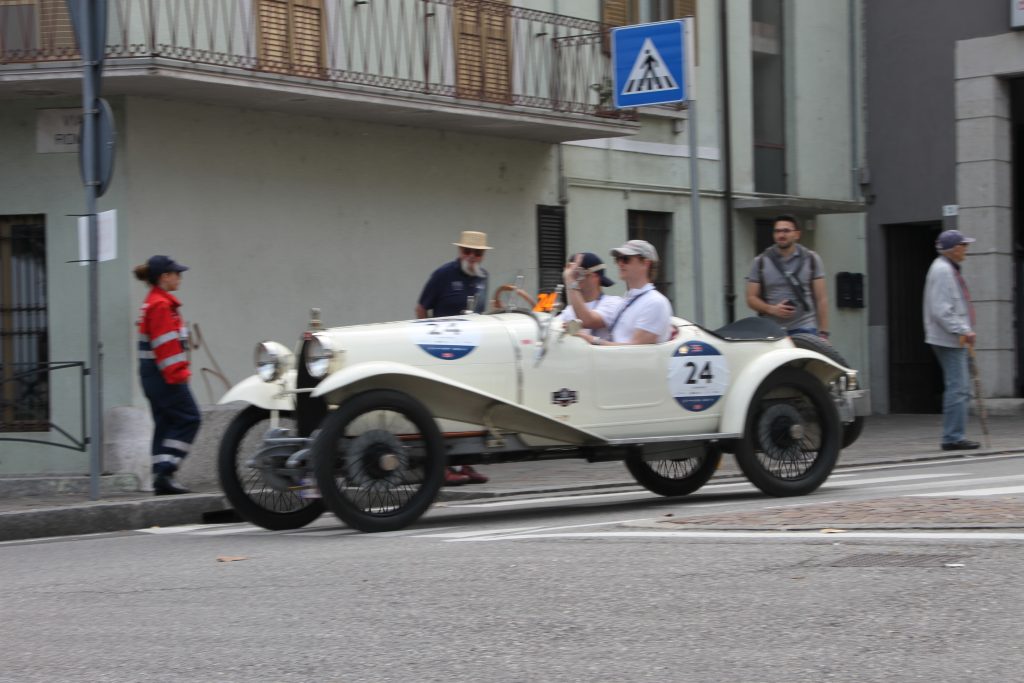

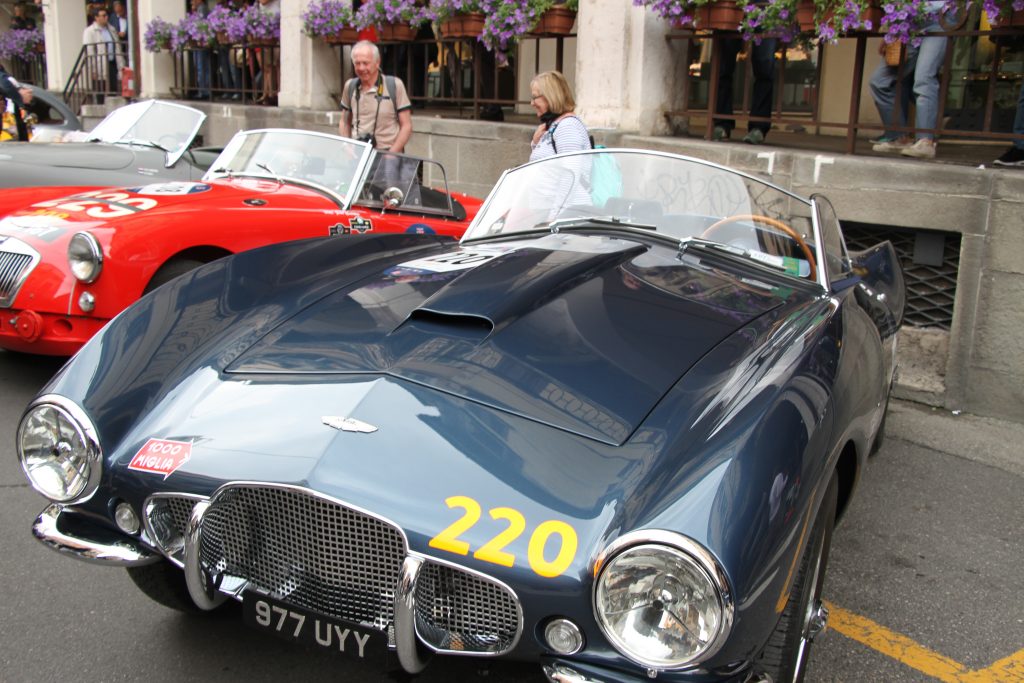
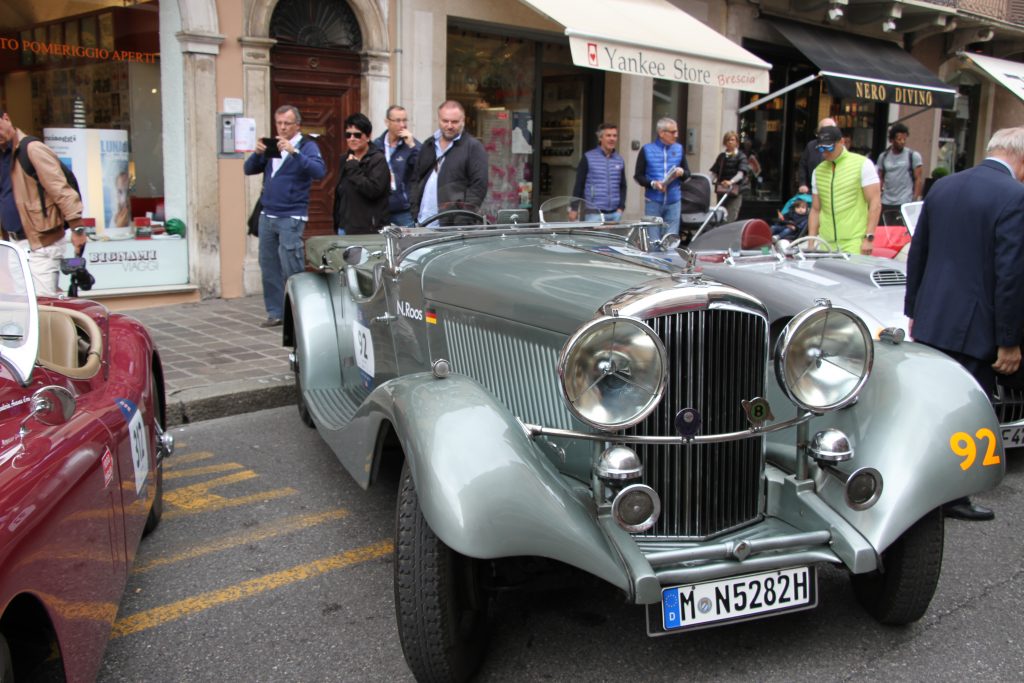

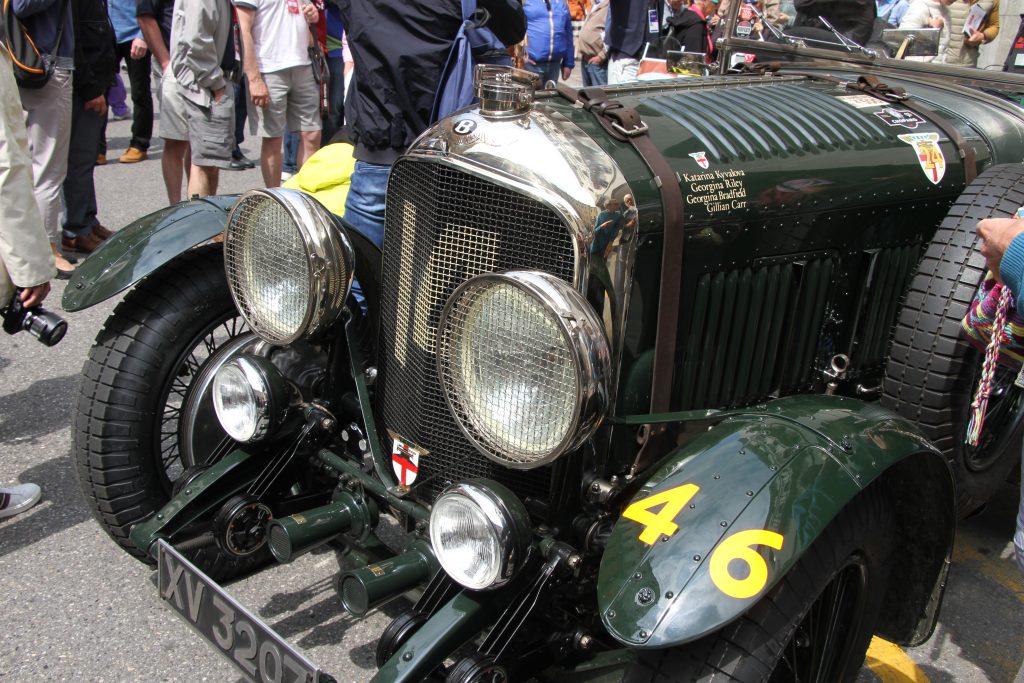
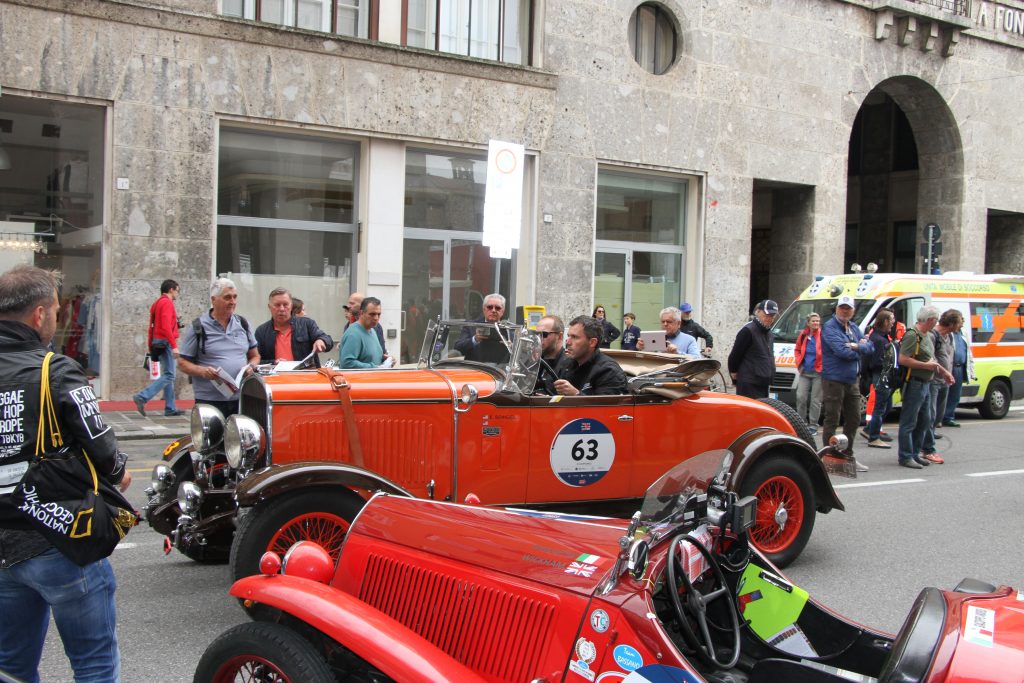

En route through Desenzano
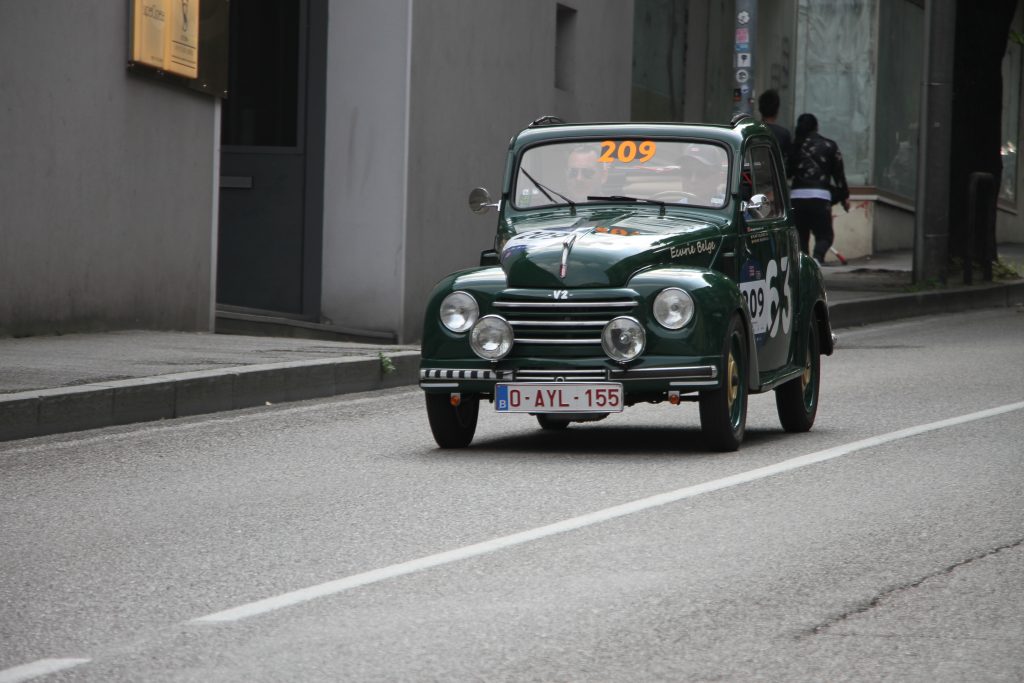

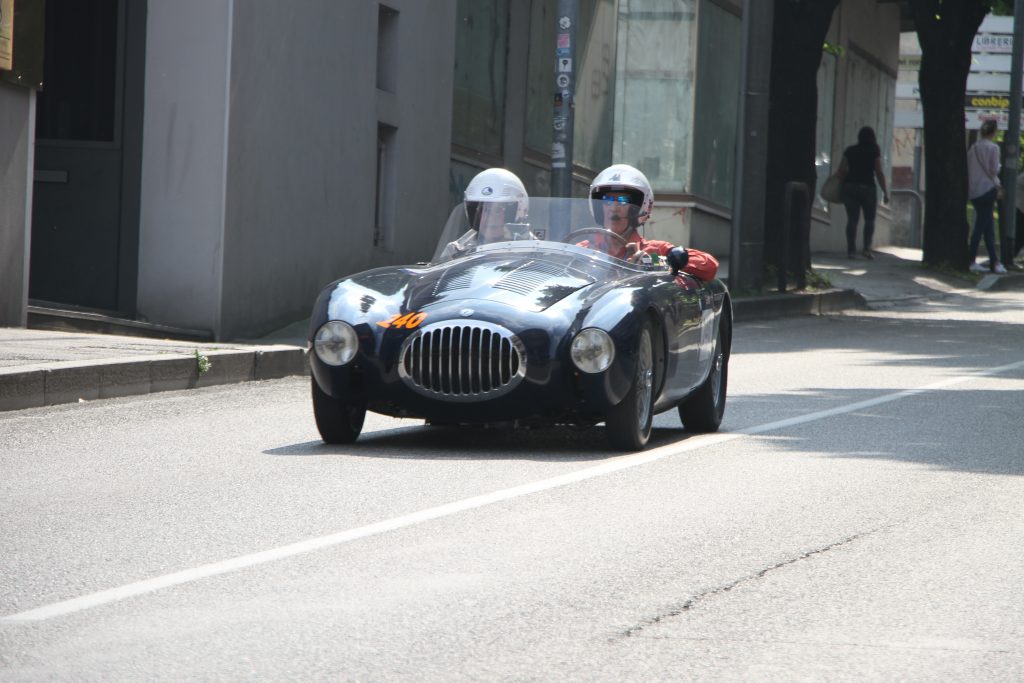
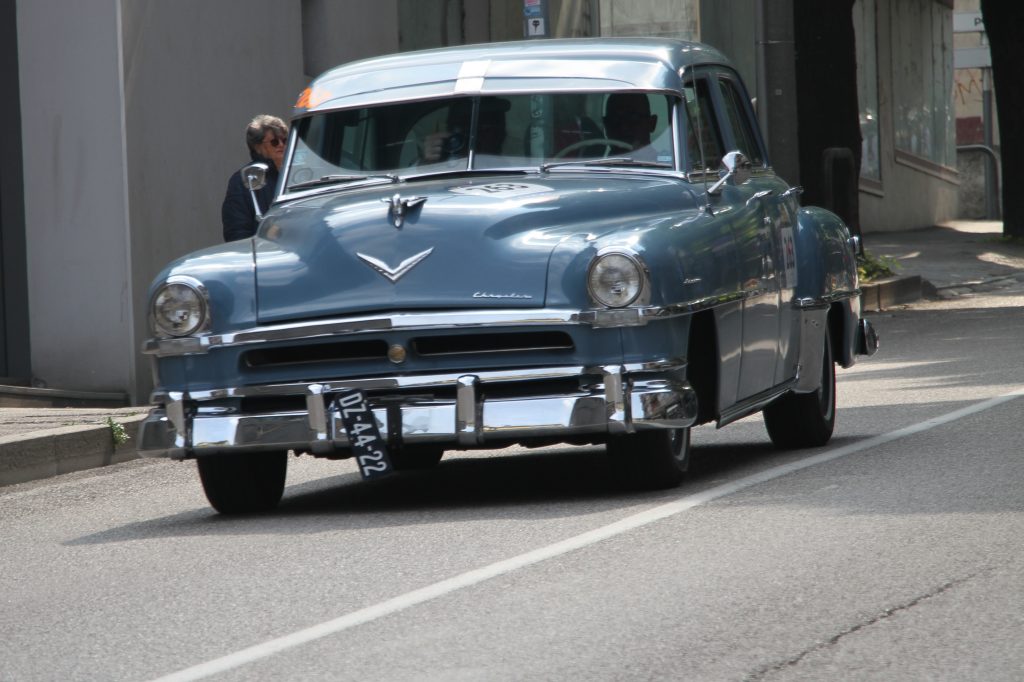


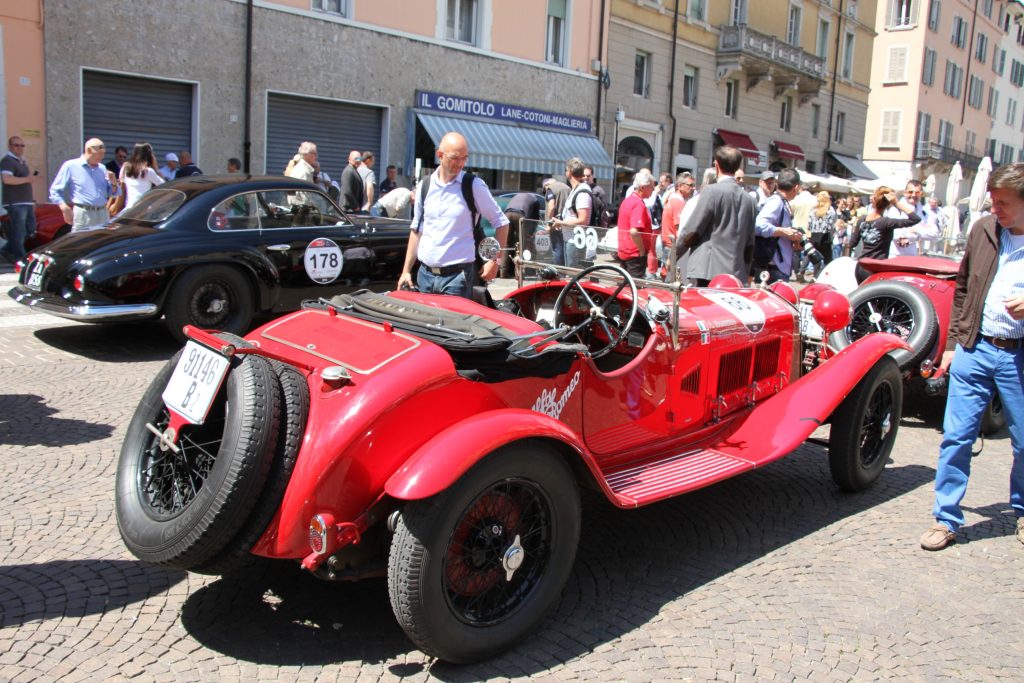
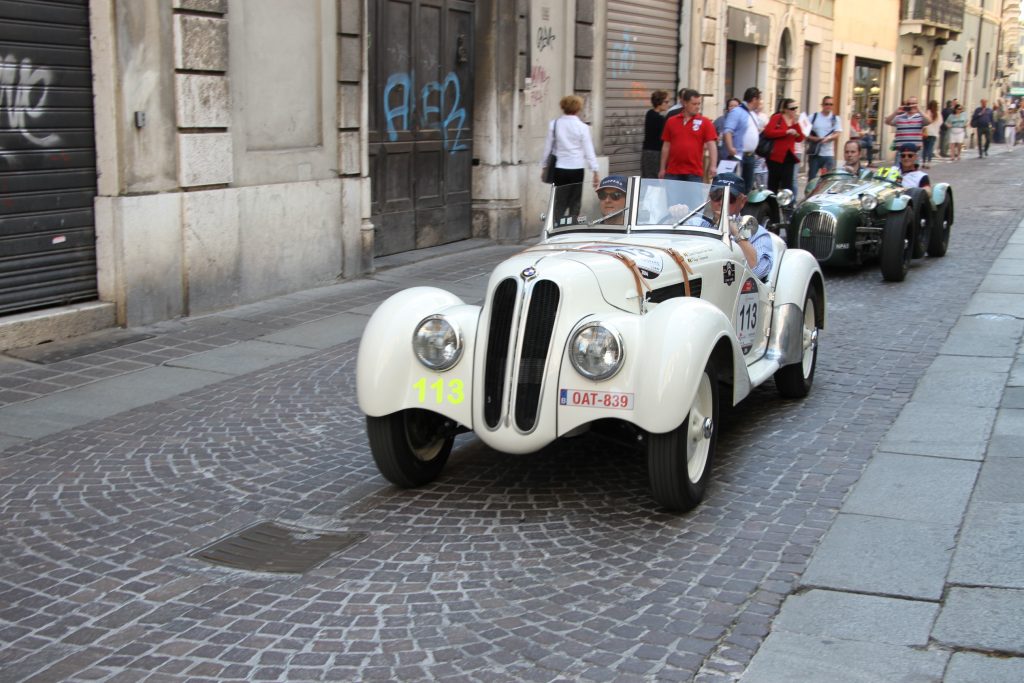


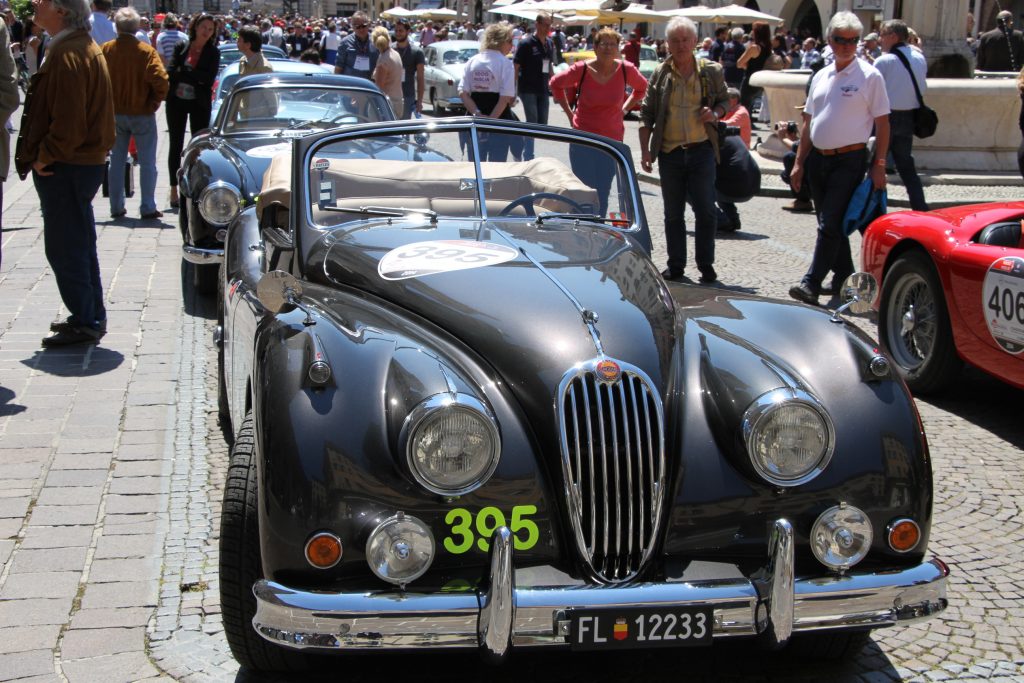
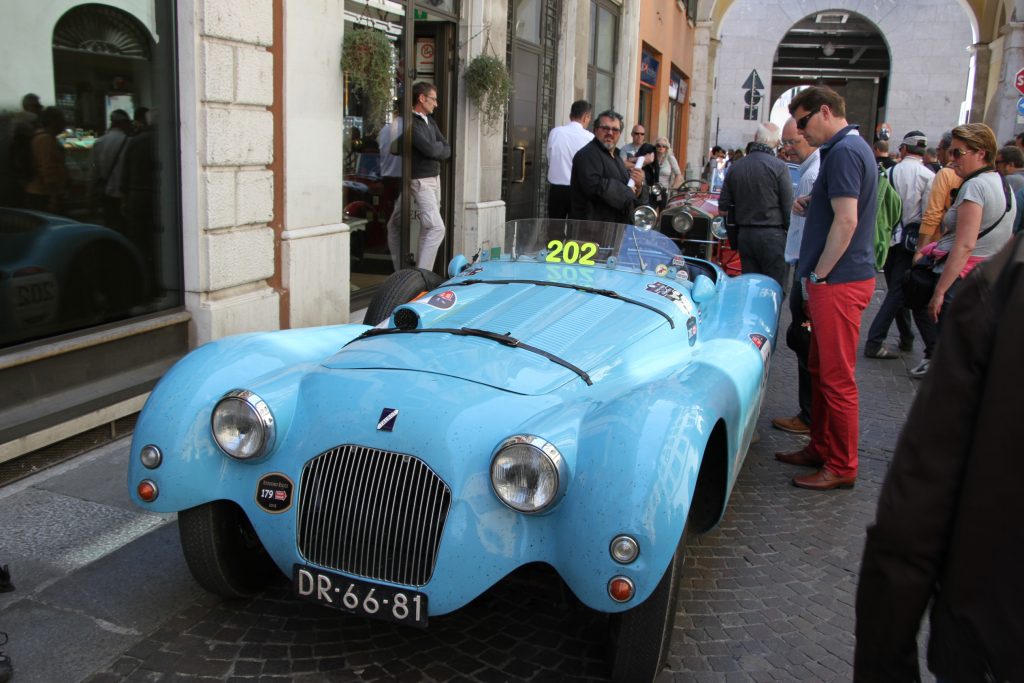
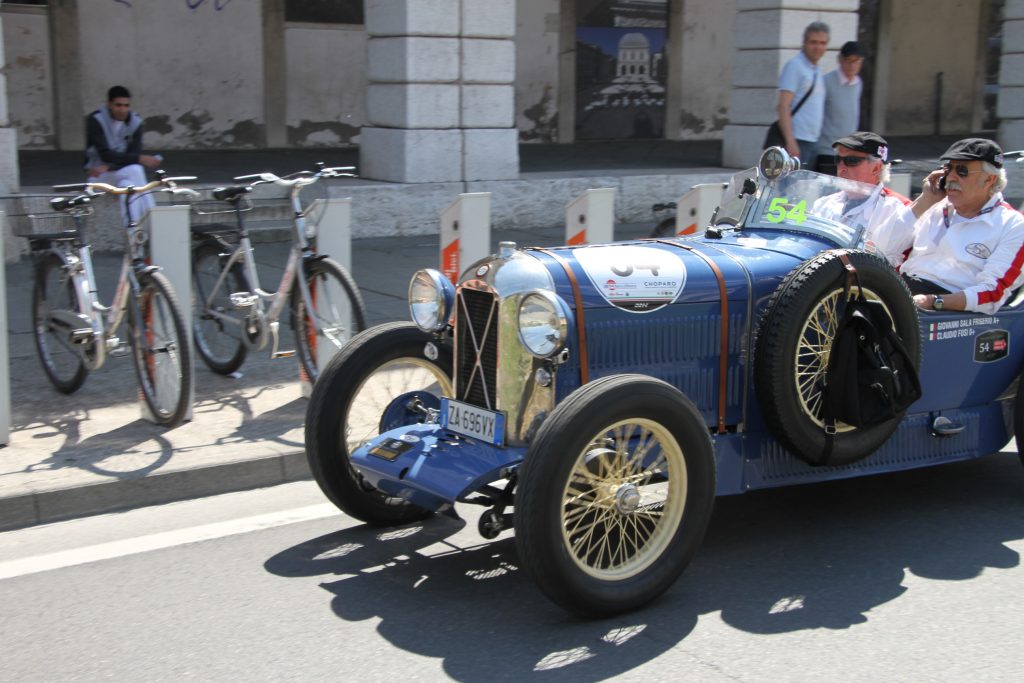
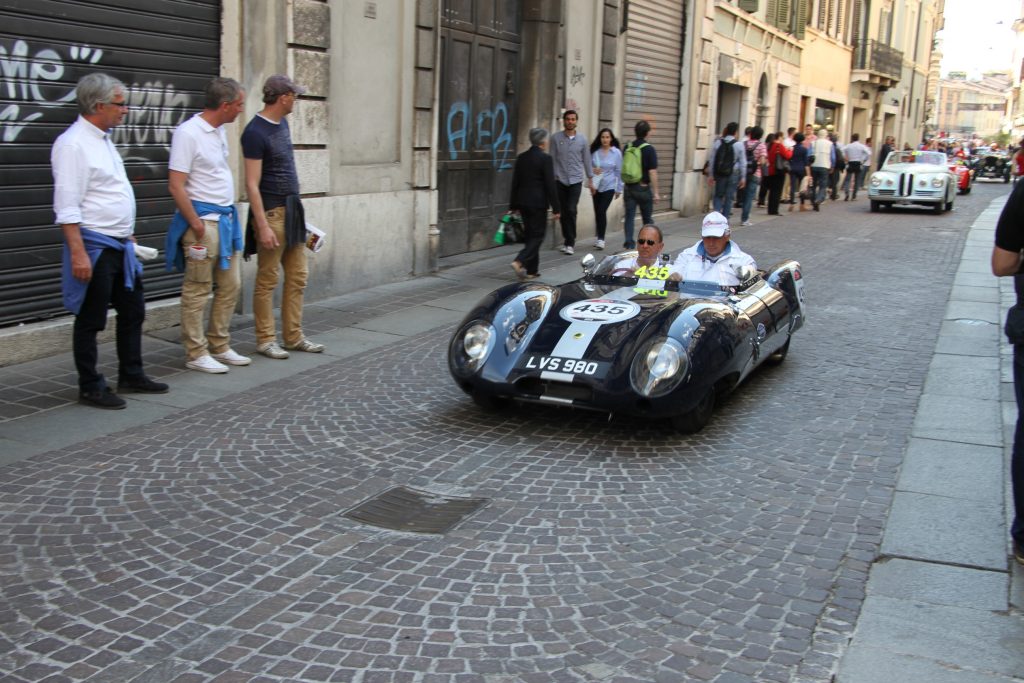
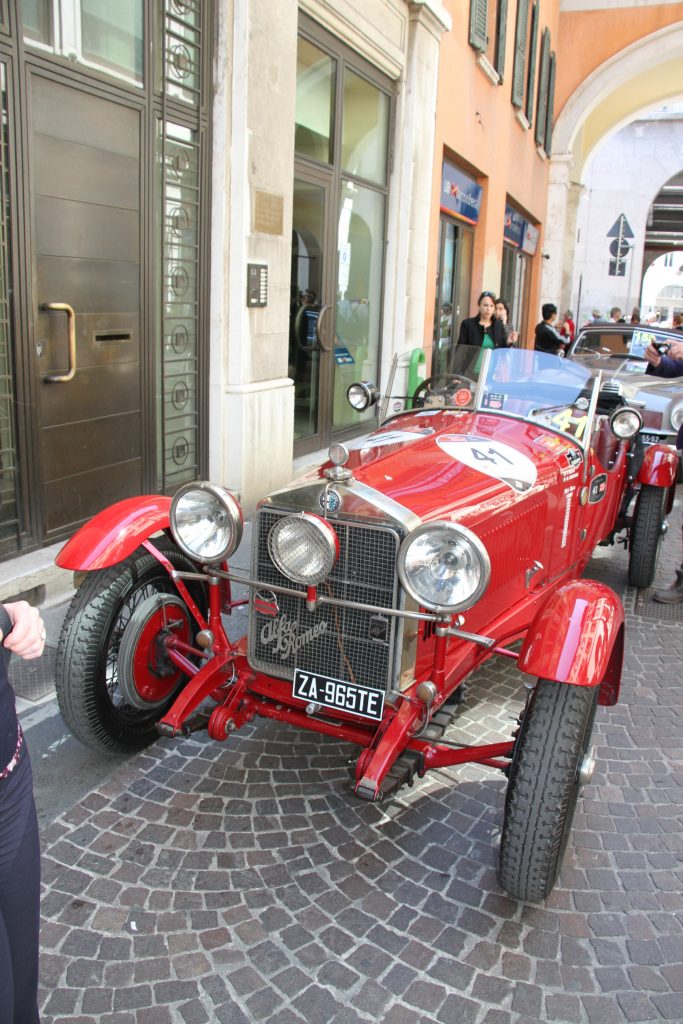
Start finish line –
The Mille Miglia now completes on a Saturday morning after four days of driving. Probably better from the spectators viewpoint and definitely better from the town’s business perspective. The outgoing rostrum acts as the incoming but generally causes a mini jam when too many cars arrive back simultaneously. Irrespective of the weather the reception is always extremely warm – allows drivers to relax after days of focus.